
Smartwatches have moved beyond step counting and heart-rate tracking. Many newer models can record an electrocardiogram or monitor pulse patterns and alert users to possible atrial fibrillation, a common heart-rhythm disorder. Cardiologists note that these tools can be useful for early detection, yet they stress clear limits: a smartwatch notification is not a medical diagnosis. Understanding how the technology works, what it can and cannot do, and when to seek care helps users respond appropriately.
What Atrial Fibrillation Is and Why It Matters
Atrial fibrillation, often called AFib, occurs when the upper chambers of the heart beat irregularly and often rapidly. Instead of contracting in an organised way, the atria quiver. This can allow blood to pool and form clots. If a clot travels to the brain, it can cause a stroke. AFib may produce noticeable symptoms such as palpitations, fatigue, shortness of breath, or dizziness, but it can also occur without obvious signs. Early identification matters because treatment can significantly reduce stroke risk.
How Smartwatches Detect Possible AFib
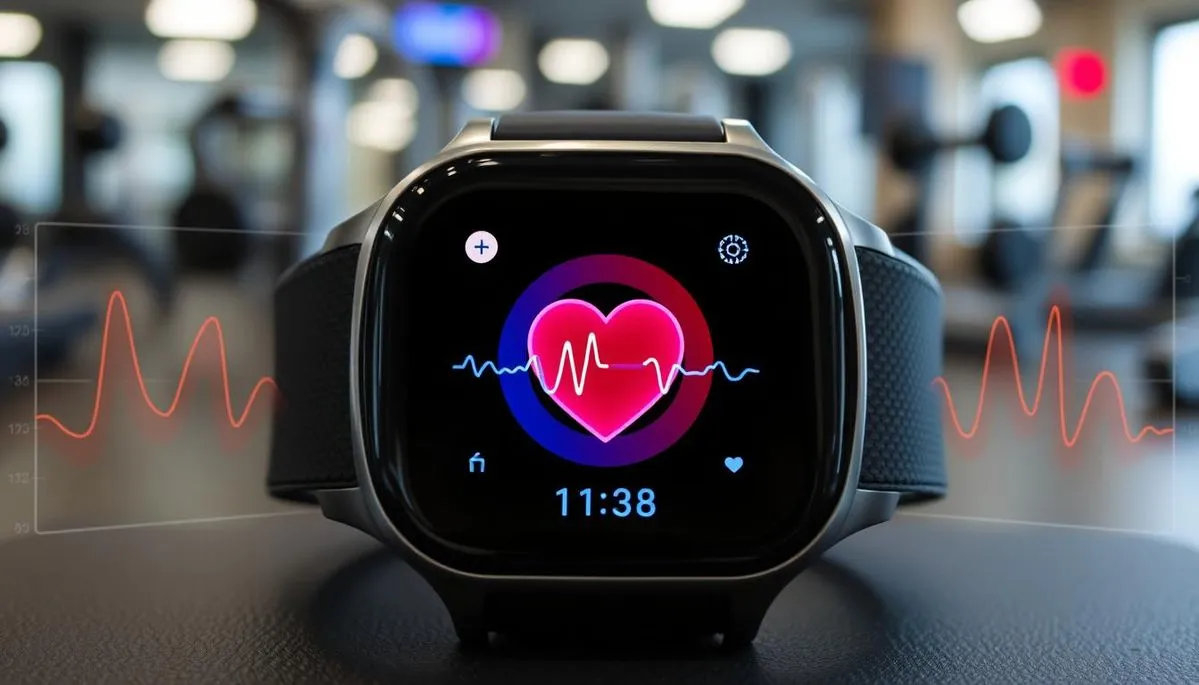
Most consumer devices use one or both of two methods. Photoplethysmography (PPG) employs green light sensors on the back of the watch to detect blood-flow patterns at the wrist. Irregular pulse intervals can trigger an alert suggesting a possible irregular rhythm. Many watches also offer an electrocardiogram (ECG) feature. By touching a sensor, the user completes a circuit that records a single-lead ECG, typically over 30 seconds. Algorithms then classify the tracing as sinus rhythm, atrial fibrillation, or inconclusive.
Large studies, including research involving hundreds of thousands of participants, have shown that these systems can identify irregular pulses with relatively high positive predictive value in the populations tested. Meta-analyses of smartwatch performance report high average sensitivity and specificity for AFib detection when compared with clinical reference standards. Devices from major manufacturers have received regulatory clearance in various markets for AFib detection features.
What the Technology Cannot Do
Despite encouraging accuracy figures, smartwatches do not replace clinical evaluation. A single-lead ECG from a wrist device is not equivalent to a 12-lead electrocardiogram performed in a medical setting. Algorithms can produce false positives, especially in people with a low likelihood of AFib, and false negatives can occur if episodes are brief or if signal quality is poor. Motion, poor skin contact, tattoos, or certain physiological conditions can affect readings.
Cardiologists emphasise that a watch can flag a possible problem and prompt further assessment, but only a clinician can confirm the diagnosis, determine its pattern (paroxysmal, persistent, or permanent), evaluate underlying causes, and recommend treatment. Self-interpretation of tracings without medical context carries risks of unnecessary anxiety or, conversely, false reassurance.
Insights from Cardiology Experts
Experts involved in major wearable studies note that the greatest value of these devices may lie in identifying AFib in people who would otherwise remain undiagnosed, particularly those with intermittent episodes. An alert can lead to earlier medical contact, timely confirmation, and, when appropriate, stroke-prevention therapy such as anticoagulation.
At the same time, clinicians caution against over-reliance. Not every irregular-rhythm notification indicates AFib. Other arrhythmias or signal artefacts can trigger alerts. Continuous or near-continuous monitoring is also limited by battery life and the need to remove devices for charging, which can reduce sensitivity for infrequent episodes.
Who May Benefit Most
People with risk factors for AFib—such as older age, high blood pressure, diabetes, heart failure, or prior heart disease—may gain particular value from rhythm-monitoring features, especially if they experience intermittent symptoms. Individuals who have already been diagnosed with AFib sometimes use watches to log episodes and share data with their clinicians, supporting more informed discussions about symptom burden and treatment effect.
For people at very low risk and without symptoms, the benefit of routine screening with a consumer device is less clear. Increased false-positive rates in low-risk groups can lead to unnecessary tests and worry. Medical guidance generally favours targeted rather than universal screening.
How to Respond to an Irregular Rhythm Alert
If a smartwatch issues an AFib or irregular-rhythm notification, the appropriate next step is to contact a healthcare professional rather than attempt self-diagnosis. Saving and sharing the recorded ECG tracing, if available, can help the clinician. Depending on the situation, the doctor may recommend a confirmatory ECG, longer-term monitoring with a Holter or event recorder, or other evaluations.
Users should not start or stop medications based solely on watch data. Treatment decisions require clinical assessment of stroke risk, bleeding risk, and overall heart health.
Limitations and Practical Considerations
Signal quality varies. Dry skin, loose fit, movement, and ambient conditions can degrade recordings. Not all irregular rhythms are AFib; the specificity of consumer algorithms for other arrhythmias is often lower. Regulatory clearances typically apply to specific features and populations, and performance can differ across devices and software versions.
Privacy and data handling also deserve attention. Rhythm data may be stored on the device, in companion apps, or in cloud services. Users should understand how their information is protected and shared.
The Broader Role of Wearables in Heart Health
Smartwatches represent one part of a wider shift toward patient-generated health data. When used thoughtfully, they can increase awareness of heart rhythm, support earlier detection of significant abnormalities, and facilitate richer conversations between patients and clinicians. They work best as complements to, not replacements for, standard medical care.
Cardiologists increasingly encounter patients who arrive with watch recordings. Clear pathways for reviewing this information, confirming findings, and integrating them into clinical decisions are becoming more important. Education that sets realistic expectations helps patients use the technology constructively.
Conclusion: A Useful Alert, Not a Diagnosis
Modern smartwatches and portable ECG devices can detect patterns suggestive of atrial fibrillation with encouraging accuracy in many studies. They offer a convenient way to capture rhythm information outside clinical settings and may lead to earlier evaluation and reduced stroke risk for some individuals. However, they cannot confirm AFib or guide treatment on their own.
The most responsible approach is to treat an irregular-rhythm notification as a prompt to seek medical advice. Confirmation, risk assessment, and management decisions belong with qualified clinicians. When users understand both the capabilities and the limits of the technology, smartwatches can serve as helpful tools within a broader strategy for heart-rhythm awareness and timely care.
Read more – topstablegames.com
 Martin