
The United States has issued travel advisories for several regions experiencing chikungunya outbreaks, prompting heightened awareness among international travelers. This mosquito-borne viral illness, characterized by sudden fever and severe joint pain, has raised concerns due to its potential for long-lasting effects. Medical experts emphasize the importance of understanding symptoms, transmission methods, and protective measures to ensure safe travel and prompt recovery if infection occurs.
What Is Chikungunya and Why Is It Spreading?
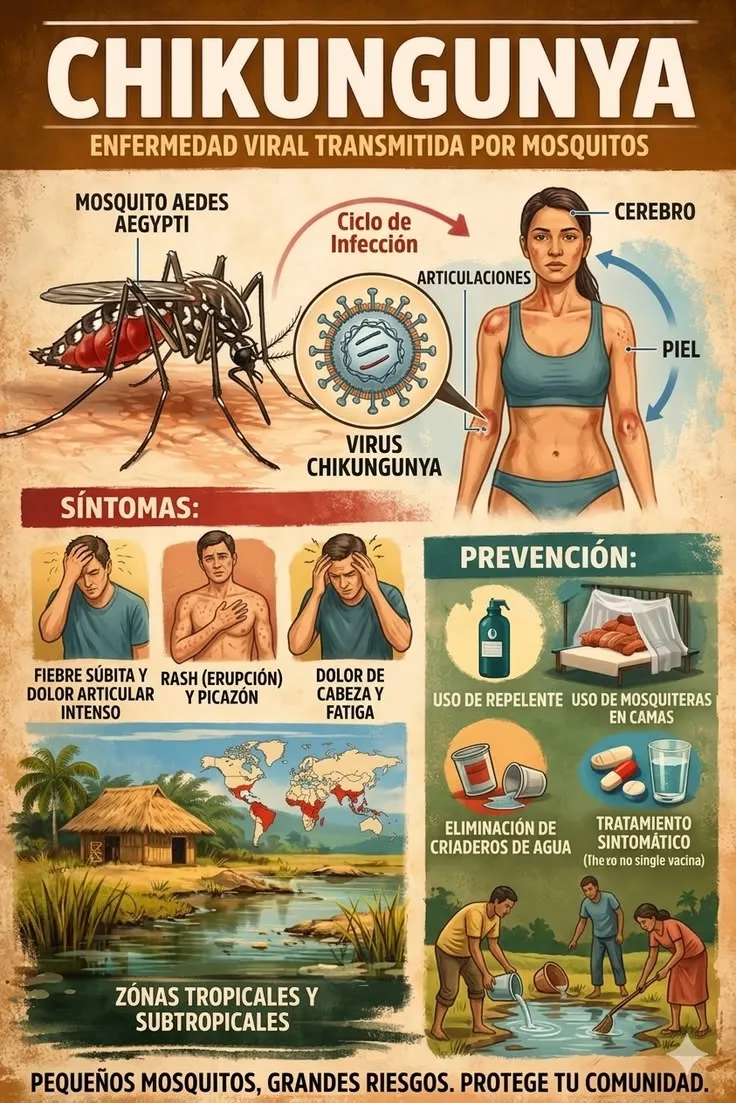
Chikungunya is caused by a virus transmitted primarily through bites from infected Aedes mosquitoes, the same species responsible for dengue and Zika. The name derives from a Makonde word meaning “to become contorted,” reflecting the debilitating joint pain that forces many patients into hunched postures. Outbreaks occur when mosquitoes bite infected individuals and subsequently spread the virus to others.
Recent advisories highlight increased activity in various tropical and subtropical regions. Travelers to affected areas face elevated risks, particularly during rainy seasons when mosquito populations surge. The virus does not spread directly between people, but infected individuals can contribute to local transmission cycles if bitten by mosquitoes during the first week of illness. Climate factors and increased global travel contribute to wider geographic distribution of both the virus and its vectors.
Early Warning Signs and Symptom Progression
Symptoms typically appear three to seven days after an infected mosquito bite. Most people develop sudden high fever accompanied by intense joint pain, often affecting multiple joints symmetrically. This pain can be severe enough to impair basic movements, distinguishing chikungunya from many other febrile illnesses. Additional common symptoms include headache, muscle pain, joint swelling, and rash that may appear as small red spots or larger patches.
The acute phase usually lasts about one week, though some individuals experience milder or asymptomatic infections. Distinguishing features include the characteristic joint involvement, which tends to be more pronounced than in similar mosquito-borne diseases. Medical evaluation becomes important if fever and joint pain develop during or shortly after travel to endemic areas, as early diagnosis helps manage symptoms effectively and prevents complications.
Why Joint Pain Can Persist for Months
One of the most challenging aspects of chikungunya involves post-infection joint pain that can continue for months or, in some cases, years. This chronic arthralgia results from the body’s immune response to the virus, causing ongoing inflammation in affected joints. Older adults, women, and individuals with pre-existing joint conditions face higher risks of prolonged symptoms.
The persistence creates significant quality-of-life impacts, affecting mobility, work capacity, and daily activities. Recovery varies widely—some people return to normal function within weeks while others manage discomfort for extended periods. Physical therapy, gentle exercise, and anti-inflammatory approaches help many patients regain function gradually. Understanding this possibility helps travelers prepare mentally and practically for potential extended recovery needs.
Diagnosis and Treatment Approaches
No specific antiviral treatment exists for chikungunya, making supportive care central to management. Diagnosis typically involves clinical evaluation combined with laboratory testing to detect viral genetic material or antibodies. Blood tests help differentiate chikungunya from similar illnesses like dengue or malaria, which may require different interventions.
Treatment focuses on symptom relief through rest, hydration, and pain management. Acetaminophen helps control fever and discomfort, while non-steroidal anti-inflammatory drugs address joint pain and swelling once dengue is ruled out. Severe cases may require hospitalization for intravenous fluids or more intensive monitoring. Patients should avoid aspirin due to bleeding risks associated with some mosquito-borne viruses.
Recovery emphasizes gradual return to normal activities while listening to the body’s signals. Overexertion during the acute phase can prolong symptoms, making patience essential. Healthcare providers may recommend follow-up care for individuals experiencing persistent joint issues to rule out other conditions and develop appropriate management strategies.
Prevention Strategies for Travelers
Mosquito bite prevention remains the most effective protection strategy. Use EPA-registered repellents containing DEET, picaridin, or oil of lemon eucalyptus on exposed skin. Wear long-sleeved clothing and pants, particularly during dawn and dusk when Aedes mosquitoes feed most actively. Treat clothing and gear with permethrin for additional protection.
Choose accommodations with air conditioning or screens on windows and doors. Sleep under insecticide-treated bed nets in areas without reliable climate control. Eliminate standing water around living areas to reduce breeding sites. These measures protect not only against chikungunya but also other mosquito-borne illnesses prevalent in tropical regions.
Vaccination options exist for certain travelers. Consult healthcare providers about availability and suitability based on destination, duration of stay, and individual health factors. Vaccines provide additional protection for those at higher risk but should complement rather than replace bite prevention strategies.
Special Considerations for Different Travelers
Pregnant women face particular risks, as infection can affect fetal development. They should consult specialists before travel to high-risk areas and take extra precautions against bites. Older adults and individuals with chronic conditions like arthritis or diabetes may experience more severe symptoms and should evaluate travel plans carefully.
Families traveling with children benefit from age-appropriate repellents and protective clothing. Educating all family members about bite avoidance helps maintain collective safety. Business travelers or those on extended stays in affected regions need sustainable prevention routines integrated into daily schedules.
What to Do If Symptoms Develop During or After Travel
Seek medical attention promptly if fever, severe joint pain, or rash develops during or after visiting risk areas. Inform healthcare providers about recent travel history to facilitate appropriate testing and care. Early intervention helps manage symptoms effectively and prevents complications.
Continue bite prevention even after symptoms appear to avoid contributing to local transmission cycles. Rest adequately and follow prescribed treatment plans carefully. Track symptoms and communicate changes to medical professionals to ensure optimal recovery. Most people recover fully, though patience proves essential when dealing with prolonged joint discomfort.
Long-Term Outlook and Community Impact
Chikungunya outbreaks highlight the importance of global health vigilance and individual responsibility. Communities benefit when travelers practice prevention, reducing the risk of introducing or amplifying local transmission. Public health measures, including mosquito control programs, complement personal protections in managing spread.
Ongoing research improves understanding of the virus, potential treatments, and vaccine development. Travelers play important roles as informed participants in global health efforts through awareness and responsible behaviors. The combination of personal precautions and broader public health initiatives offers the best approach to minimizing impact.
Conclusion: Staying Safe While Exploring the World
Travel advisories regarding chikungunya serve as important reminders of health considerations inherent in international journeys. Understanding symptoms, transmission methods, and prevention strategies empowers travelers to make informed decisions and protect themselves effectively. Mosquito bite prevention, timely medical consultation, and appropriate self-care form the foundation of safe travel to affected regions.
By taking recommended precautions seriously, travelers minimize personal risks while contributing to broader efforts controlling mosquito-borne diseases. The world offers incredible experiences worth pursuing with proper preparation and awareness. Stay informed, pack smart prevention supplies, and consult healthcare providers when planning trips to regions with active outbreaks. Responsible travel practices ensure both personal well-being and positive contributions to global health security.
Read more – amherstdelivery.com
 Martin