
A ordinary afternoon of play in a Bengaluru residential complex turned into a life-threatening emergency when a young child slipped unnoticed into an ornamental pond. The toddler, later identified as two-year-eight-month-old Saugat Regmi, remained underwater for several minutes before being rescued. By the time he reached specialised care, roughly 45 minutes had passed. He arrived in critical condition with severe oxygen deprivation, respiratory failure, and signs of possible brain injury. After nearly ten days of intensive treatment, he walked out of the hospital conscious, talking, eating independently, and walking again. Doctors involved in his care have described the recovery as remarkable and used the case to underline two essential points: the need for constant adult supervision around water and the critical importance of rapid emergency response.
How the Incident Unfolded
Saugat and his parents had recently moved to Bengaluru from Nepal in search of better opportunities. His father worked as a security guard at the residential complex, and his mother was employed there as a domestic helper. On the day of the incident, the child was playing with other children near an ornamental pond inside the complex. In a brief moment when attention shifted, he slipped into the stagnant water. Nearly five minutes passed before the other children noticed he was missing and alerted adults nearby.
He was pulled from the water and taken first to a nearby hospital before being referred to Manipal Hospital on Varthur Road. The elapsed time from submersion to arrival at the specialised paediatric intensive care unit was approximately 45 minutes—a delay that placed him at high risk of permanent harm or death.
Critical Condition on Arrival
When Saugat reached the Paediatric Intensive Care Unit, doctors found him in an extremely serious state. He was experiencing severe respiratory failure, shock caused by poor blood circulation, critically low oxygen levels, and significant oxygen deprivation affecting the brain. His blood pH had fallen to 6.8, a level of severe acidosis linked to prolonged lack of oxygen and associated with a high risk of death or lasting neurological damage.
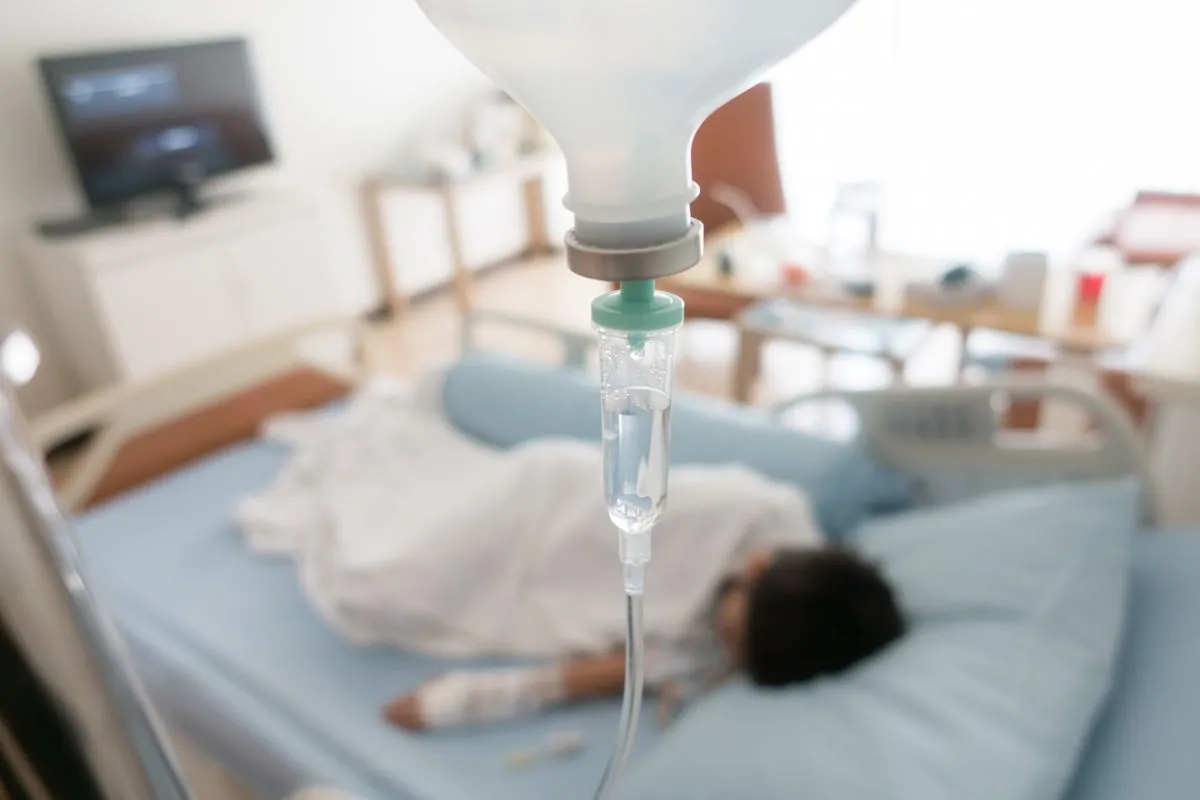
The medical team acted immediately. He was placed on a mechanical ventilator, given medication to treat shock, and placed under continuous monitoring of brain activity. The dual goals were to stabilise his life-threatening condition and to protect the brain from irreversible injury.
The Risk of Brain Injury and Subsequent Complications
One of the greatest dangers after drowning is hypoxic brain injury, which occurs when the brain is deprived of adequate oxygen for several minutes. An MRI scan showed early signs that Saugat’s brain had been affected. According to the neurology consultant involved, children who experience prolonged oxygen deprivation after drowning face a substantial risk of permanent neurological disability. In this case, early neurological monitoring, timely medical intervention, and structured rehabilitation supported a gradual return of consciousness, feeding ability, movement, and more normal brain function.
Recovery was further complicated when the child developed severe aspiration pneumonia after inhaling contaminated pond water. The infection progressed to septic shock, a dangerous condition in which the body’s response to infection causes critically low blood pressure and organ dysfunction. Treatment was intensified with broad-spectrum antibiotics, advanced intensive care support, and close monitoring. A coordinated team of paediatric intensivists, neurologists, physiotherapists, rehabilitation specialists, and nurses worked together as his condition slowly improved.
Remarkable Progress Over Ten Days
In the days that followed, Saugat gradually regained consciousness. He began recognising his parents, accepted feeds, participated in physiotherapy, and progressively recovered the ability to sit, stand, walk, and speak. After nearly ten days in intensive care, he was discharged. Doctors characterised the outcome as exceptional given the severity of his presentation on arrival.
The Lifesaving Lessons Emphasised by Doctors
The paediatric consultant involved in the case stressed that drowning is a true medical emergency in which every minute influences both survival and long-term recovery. Immediate intensive care, mechanical ventilation, measures to protect the brain, and continuous neurological monitoring were decisive in stabilising the child and limiting permanent disability. Doctors emphasised that early rescue, prompt cardiopulmonary resuscitation when required, and rapid transfer to a specialised paediatric critical care centre can dramatically improve the chances of survival and functional recovery.
Equally important is prevention. The case serves as a clear reminder that drowning remains one of the leading causes of preventable death among young children. Constant, focused adult supervision around any body of water—whether a pond, pool, bucket, or bathtub—can make the difference between a close call and a tragedy. Moments of inattention are often all that is required for an incident to occur.
Support Beyond Medical Care
The family faced significant financial pressure in addition to emotional trauma. As daily-wage workers, the parents could not have borne the full cost of prolonged intensive care. The Manipal Foundation provided financial assistance, enabling uninterrupted treatment without placing an unsustainable burden on the household.
A Second Chance and a Broader Message
For Saugat and his parents, the minutes spent underwater could have ended in permanent loss or lifelong disability. Instead, timely rescue, swift referral, advanced critical care, and coordinated rehabilitation offered the child a second chance at a normal childhood. The medical team has expressed the hope that this recovery will reinforce a simple but vital message: while modern paediatric intensive care can achieve remarkable results, the most effective protection for young children remains prevention through unbroken supervision and basic water safety awareness.
The incident illustrates both the fragility of a toddler’s safety around water and the difference that rapid, skilled intervention can make. Parents, caregivers, and residential communities are reminded that ornamental ponds and similar water features require the same level of vigilance as any other water hazard. Continuous supervision, immediate action in an emergency, and access to specialised care together form the strongest defence against the devastating consequences of childhood drowning.
Read more – casinopeers.com
 Martin