
High cholesterol is one of the most common health concerns worldwide and is closely linked with the risk of heart-related diseases. For many years, statins have been the primary treatment option for lowering low-density lipoprotein cholesterol (LDL-C), often called “bad cholesterol.” However, some patients require additional treatment when cholesterol levels remain high despite lifestyle changes and standard medications.
The recent approval of a new daily oral medication, Lipfendra, has attracted attention because it offers a different approach to cholesterol management. The medicine belongs to a class of treatments known as PCSK9 inhibitors and provides an oral alternative for adults who need additional LDL cholesterol reduction beyond existing therapies.
The approval represents a significant development in cholesterol treatment by offering patients another option that does not require regular injections.
Understanding LDL Cholesterol and Why It Matters
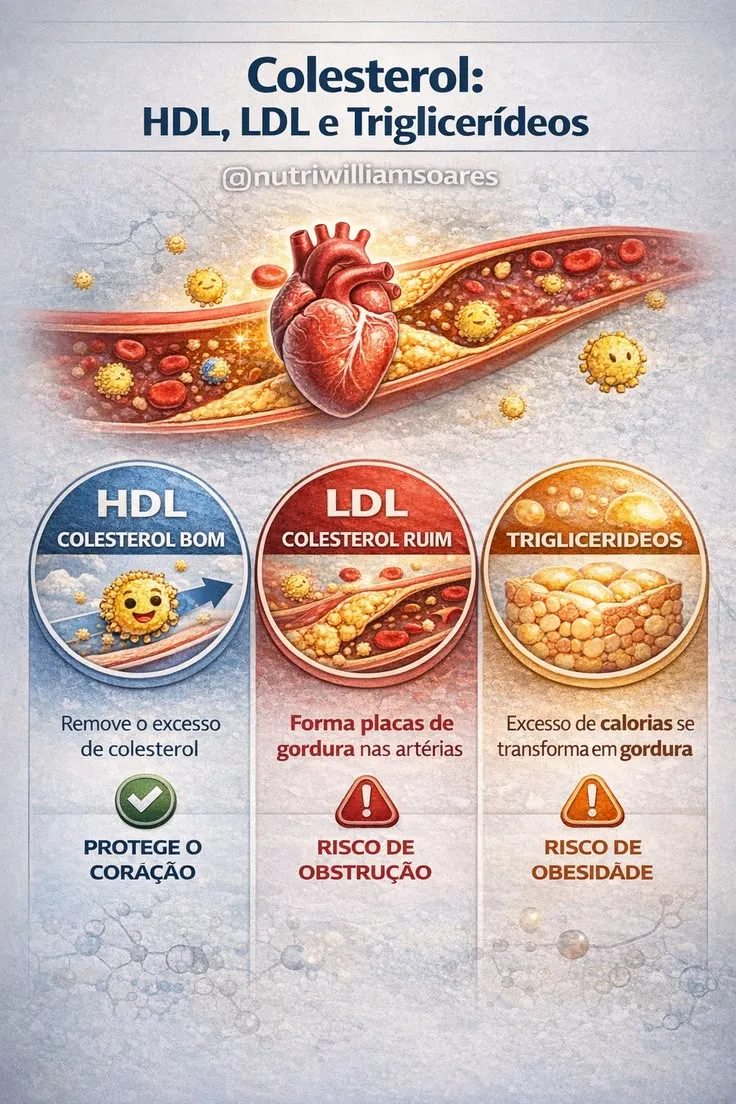
Cholesterol is a waxy substance that the body needs for important functions, including hormone production and cell structure. However, having too much LDL cholesterol can increase health risks.
LDL cholesterol is often called “bad cholesterol” because high levels can contribute to the buildup of fatty deposits inside arteries. Over time, this buildup can reduce blood flow and increase the risk of cardiovascular problems such as heart attacks and strokes.
Managing LDL levels is an important part of reducing long-term heart disease risk. Doctors usually consider factors such as age, health history, lifestyle, and existing medical conditions when deciding treatment plans.
What Is Lipfendra?
Lipfendra is a once-daily oral medication designed to reduce LDL cholesterol levels in adults with high cholesterol.
The medicine works as a PCSK9 inhibitor. PCSK9 is a protein involved in regulating how the body removes LDL cholesterol from the bloodstream. By affecting this pathway, PCSK9 inhibitors help increase the ability of the liver to remove LDL cholesterol, resulting in lower cholesterol levels.
Traditional PCSK9 inhibitor treatments have generally been available as injections. The introduction of an oral option provides a different choice for patients who may prefer tablets over injectable treatments.
How PCSK9 Inhibitors Help Lower Cholesterol
PCSK9 inhibitors represent a newer approach to cholesterol management.
The liver plays a major role in controlling cholesterol levels by removing LDL cholesterol from the blood. PCSK9 affects the number of LDL receptors available on liver cells. These receptors help capture and remove LDL cholesterol.
By blocking or reducing PCSK9 activity, these medications allow more LDL receptors to remain available, helping the body clear more LDL cholesterol from circulation.
This mechanism makes PCSK9 inhibitors particularly useful for people who need additional LDL reduction beyond what can be achieved through statins alone.
Why a Daily Cholesterol Pill Is Important
One of the biggest advantages of an oral cholesterol medication is convenience.
Some patients may find regular injections uncomfortable or difficult to maintain over the long term. A daily pill may provide a simpler option that fits more easily into everyday routines.
Medication adherence, which means taking medicines as prescribed, plays an important role in managing chronic health conditions. A treatment option that patients find easier to use may help improve consistency.
However, the suitability of any medication depends on individual health conditions and should be discussed with a healthcare professional.
Who May Need Additional LDL Reduction?
Many people with high cholesterol can manage their levels through lifestyle changes and commonly prescribed medicines such as statins. However, some individuals may continue to have elevated LDL levels despite treatment.
Additional cholesterol-lowering therapy may be considered for people with certain risk factors, including those with existing cardiovascular disease, inherited cholesterol conditions, or very high LDL levels.
Doctors evaluate each patient’s overall health profile before recommending additional treatments.
Benefits of the New Treatment Option
The approval of an oral PCSK9 inhibitor may provide several potential benefits for eligible patients.
First, it expands the available choices for cholesterol management. Different patients have different preferences and medical needs, so having multiple treatment options allows doctors to create more personalized approaches.
Second, a daily pill may improve convenience for people who prefer oral medications.
Third, the treatment provides another tool for patients who need significant LDL reduction beyond what current therapies provide.
Importance of Combining Medication With Healthy Habits
Although cholesterol-lowering medications can play an important role, they are usually most effective when combined with healthy lifestyle choices.
A heart-healthy lifestyle includes eating a balanced diet, maintaining regular physical activity, avoiding tobacco use, managing stress, and maintaining a healthy weight.
Foods rich in fiber, fruits, vegetables, whole grains, and healthy fats can support better cholesterol management.
Lifestyle improvements remain an essential part of long-term cardiovascular health.
Possible Side Effects and Safety Considerations
Like all medications, cholesterol treatments may have potential side effects.
Patients using any new medication should discuss possible risks, benefits, and interactions with their healthcare providers.
Medical professionals consider factors such as existing health conditions, other medications, and individual risk levels before recommending treatment.
Regular monitoring and follow-up appointments help ensure that cholesterol management remains safe and effective.
Impact on the Future of Cholesterol Treatment
The approval of new cholesterol medications reflects ongoing progress in cardiovascular medicine.
Researchers continue to explore new ways to reduce cholesterol levels and lower the risk of heart disease. Advances in medication development aim to provide treatments that are effective, safe, and convenient for patients.
The availability of oral PCSK9 inhibitor options could influence future approaches to managing high cholesterol, especially for people who require stronger LDL reduction strategies.
How This Changes Options Beyond Statins
Statins remain an important and widely used treatment for lowering cholesterol. They have been studied extensively and continue to be recommended for many patients.
However, not everyone reaches their cholesterol goals with statins alone. Some people may experience side effects, while others may require additional LDL reduction because of higher cardiovascular risk.
New therapies provide doctors with more flexibility when developing treatment plans based on individual patient needs.
Questions Patients Should Ask Their Doctors
Patients considering new cholesterol treatments can discuss several important points with their healthcare providers.
They may ask whether their LDL cholesterol level requires additional treatment, how a new medication fits with their current therapy, what benefits and risks are expected, and what lifestyle changes can support better results.
Open communication helps patients make informed decisions about their health.
Frequently Asked Questions (FAQs)
What is Lipfendra used for?
Lipfendra is designed to help lower LDL cholesterol levels in adults who need additional cholesterol reduction beyond standard treatments.
How is Lipfendra different from traditional PCSK9 inhibitors?
Unlike earlier PCSK9 inhibitor treatments that are commonly given through injections, Lipfendra is a once-daily oral medication.
Can a cholesterol pill replace healthy lifestyle habits?
No. Medication works best when combined with healthy eating, physical activity, and other heart-supporting lifestyle choices.
Conclusion
The FDA approval of Lipfendra, a once-daily oral PCSK9 inhibitor, represents an important development in cholesterol management. By providing an alternative to injectable treatments, the medication may offer greater flexibility for adults who need additional LDL cholesterol reduction beyond statins.
High cholesterol management requires a balanced approach that includes appropriate medical treatment, regular monitoring, and healthy lifestyle choices. While new medications provide valuable options, patients should always work with healthcare professionals to determine the most suitable treatment plan for their individual needs.
As cardiovascular research continues to advance, new therapies like oral PCSK9 inhibitors highlight the ongoing effort to make heart disease prevention and cholesterol management more effective and accessible.
 Martin