
Heart health has traditionally been linked with factors such as high blood pressure, cholesterol levels, unhealthy diet, smoking, lack of physical activity, and stress. However, scientists are now exploring how environmental pollutants may also influence cardiovascular health. Recent research has highlighted a possible connection between tiny plastic particles found in the human body and heart-related conditions.
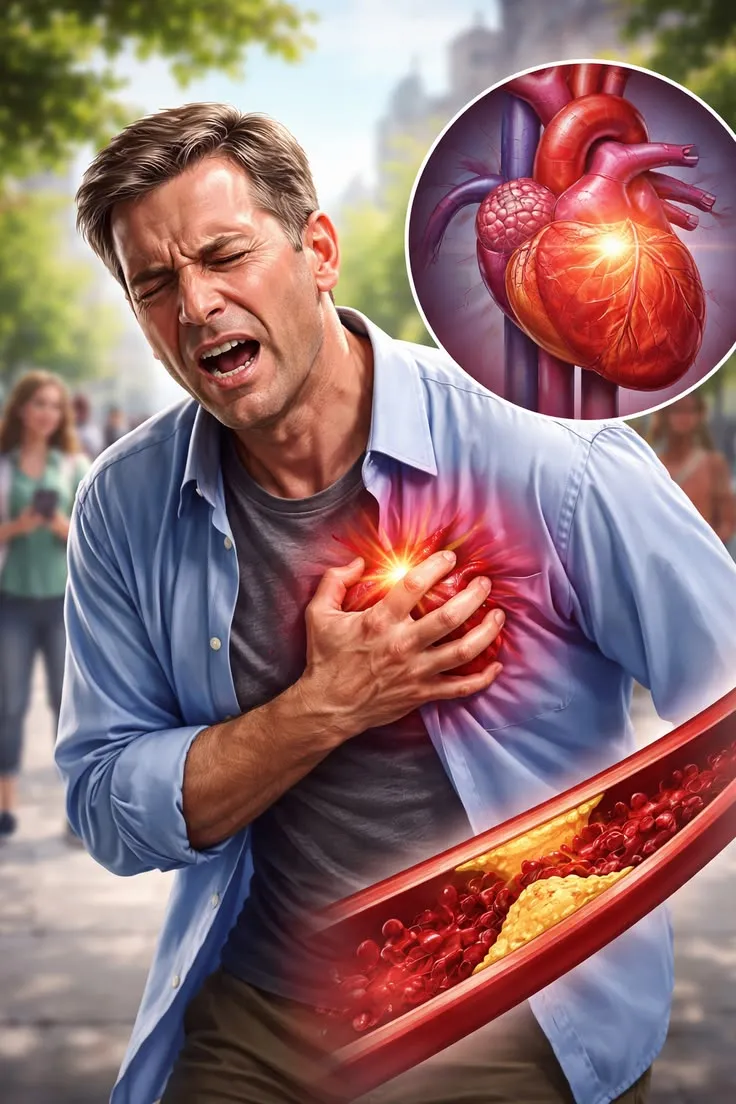
A study examining blood samples from patients who experienced heart attacks found higher levels of microplastics and nanoplastics compared with individuals without similar cardiovascular events. Researchers also observed links between exposure factors such as smoking and air pollution and the presence of these tiny plastic particles in the bloodstream.
Microplastics and nanoplastics are increasingly becoming a global environmental concern because they are found in water, food, air, and everyday products. As research continues, scientists are working to understand how these particles enter the human body and whether they contribute directly to health problems.
This article explains what microplastics and nanoplastics are, how they enter the body, what the study suggests about their connection with heart health, and why reducing plastic pollution is becoming an important public health discussion.
What Are Microplastics and Nanoplastics?
Microplastics are extremely small plastic particles that generally measure less than five millimeters in size. Nanoplastics are even smaller particles, often measured at a microscopic scale that makes them difficult to detect.
These particles can form when larger plastic products break down over time due to sunlight, weather conditions, and physical wear. They can also be released directly from products such as synthetic fabrics, packaging materials, and industrial sources.
Because of their extremely small size, microplastics and nanoplastics can spread easily through the environment. They have been detected in oceans, soil, drinking water, food products, and air.
Scientists are increasingly studying whether these particles can enter the human body and what effects they may have on health.
How Do Microplastics Enter the Human Body?
Humans can be exposed to microplastics and nanoplastics through multiple pathways. One major route is through food and water consumption, as plastic particles can contaminate agricultural products, seafood, bottled water, and other sources.
Air exposure is another possible pathway. Tiny plastic particles can become airborne and may be inhaled during daily activities.
Certain lifestyle factors and environmental conditions may increase exposure. For example, individuals who live in areas with high pollution levels may encounter more airborne particles.
Once inside the body, some particles may pass through normal biological processes, while others may remain in tissues or enter the bloodstream. Researchers are studying how the body responds to these foreign particles.
Understanding the Study on Heart Attack Patients
The study that examined heart attack patients focused on detecting microplastics and nanoplastics present in blood samples. Researchers found that individuals who had experienced heart attacks showed higher concentrations of these plastic particles compared with people who did not have similar cardiovascular conditions.
The findings suggest that people with higher levels of these particles in their blood may have a greater association with cardiovascular problems. However, researchers emphasize that more studies are needed to understand whether microplastics directly cause heart attacks or whether they are one factor among many contributing to heart-related risks.
Scientific studies often identify relationships between factors, but proving direct cause and effect requires additional research over longer periods.
Possible Effects of Microplastics on Heart Health
Researchers are investigating several ways microplastics and nanoplastics might affect the cardiovascular system.
One possible concern is inflammation. When foreign particles enter the body, the immune system may respond by creating inflammatory reactions. Long-term inflammation is already known to play a role in the development of several cardiovascular diseases.
Another concern is oxidative stress, which occurs when there is an imbalance between harmful molecules and the body’s ability to protect itself. Oxidative stress can damage cells and tissues.
Scientists are also studying whether plastic particles may influence blood vessels, immune responses, or other biological processes connected with heart health.
However, more research is necessary before making definite conclusions about the exact impact of these particles.
Link Between Smoking, Air Pollution, and Plastic Particles
The study also highlighted associations between smoking, air pollution exposure, and the presence of microplastics and nanoplastics.
Smoking introduces many harmful substances into the body and is already recognized as a major risk factor for heart disease. Cigarette smoke can contain tiny particles that may contribute to environmental and biological pollution.
Air pollution is another important factor affecting cardiovascular health. Polluted air contains various harmful particles that can enter the respiratory system and influence overall health.
Researchers suggest that environmental exposures may combine with other lifestyle factors to affect the amount of harmful particles present in the human body.
Why This Research Matters
The discovery of plastic particles in human blood has increased scientific interest because it shows how deeply environmental pollution can interact with human health.
Plastic pollution has traditionally been viewed as an environmental problem affecting oceans, wildlife, and ecosystems. However, growing evidence suggests that human exposure is also an important area of concern.
Understanding the possible health effects of microplastics can help scientists, policymakers, and communities develop better strategies to reduce exposure and improve environmental protection.
Growing Concern About Plastic Pollution
Plastic production has increased significantly worldwide due to its durability, affordability, and wide range of uses. However, the same qualities that make plastic useful also create environmental challenges because many plastic materials do not break down easily.
Over time, larger plastic waste can fragment into smaller particles that spread throughout ecosystems.
Reducing unnecessary plastic use, improving recycling systems, and developing environmentally friendly alternatives are important steps toward limiting plastic pollution.
How People Can Reduce Plastic Exposure
Although completely avoiding microplastic exposure may be difficult, individuals can take practical steps to reduce contact with plastic particles.
Using reusable alternatives instead of disposable plastic products can help decrease plastic waste. Storing food in safer containers and avoiding unnecessary heating of food in plastic materials may also reduce exposure.
Maintaining a healthy lifestyle is equally important for heart protection. Regular physical activity, balanced nutrition, avoiding smoking, managing stress, and maintaining healthy blood pressure and cholesterol levels remain key strategies for cardiovascular health.
Importance of Further Scientific Research
The relationship between microplastics and human health is still an emerging area of research. Scientists continue to investigate how these particles move through the body, how long they remain present, and what biological effects they may create.
Future studies involving larger groups of people and long-term monitoring will help provide clearer answers.
Research into environmental health often takes time because scientists must carefully evaluate multiple factors before confirming health risks.
Protecting Heart Health in a Changing Environment
Heart disease remains one of the leading health concerns worldwide, and prevention requires attention to both traditional and emerging risk factors.
While researchers continue studying the possible effects of microplastics, individuals can focus on proven heart-health practices. Eating a nutritious diet, staying physically active, avoiding tobacco, limiting harmful exposures, and getting regular health checkups can significantly support cardiovascular wellness.
Environmental awareness can also contribute to healthier communities by encouraging responsible consumption and reducing pollution.
Conclusion
Research showing higher levels of microplastics and nanoplastics in the blood of heart attack patients has raised important questions about the relationship between environmental pollution and human health. The findings suggest a possible association between these tiny plastic particles and cardiovascular problems, while scientists continue investigating the exact mechanisms involved.
Microplastics are now recognized as more than just an environmental issue. Their presence in the human body highlights the need for continued research, stronger pollution control measures, and greater awareness about plastic use.
Although many questions remain unanswered, protecting heart health requires a combination of healthy lifestyle choices and efforts to create a cleaner, safer environment for future generations.
 Martin