
COVID-19 continues to appear in small waves across different parts of India, creating periodic increases in infections even years after the pandemic began. However, health experts explain that these rises are not necessarily signs of a major new pandemic wave. Instead, they are mostly localised endemic flare-ups influenced by changes in the virus, immunity levels, seasonal conditions and regional factors.
Top virologists and public health experts suggest that COVID-19 has entered a phase where the virus continues to circulate in communities, similar to other respiratory infections. The pattern is now more irregular, with cases rising in specific regions before declining again. Understanding why these small waves happen can help people respond appropriately without unnecessary fear.
COVID-19 Has Shifted From Pandemic to Endemic Pattern
During the early stages of COVID-19, large waves occurred because the virus was spreading through populations with little or no immunity. New variants caused widespread infections, and healthcare systems faced significant pressure.
Today, the situation has changed. A large proportion of the population has developed immunity through vaccination, previous infections, or both. This has reduced the severity of many infections and changed the way the virus spreads.
Experts describe the current situation as an endemic phase, meaning the virus continues to exist within communities but follows a more predictable long-term pattern. Instead of one large nationwide wave, India is seeing smaller outbreaks that appear in different locations at different times.
Why Small COVID-19 Waves Continue to Occur
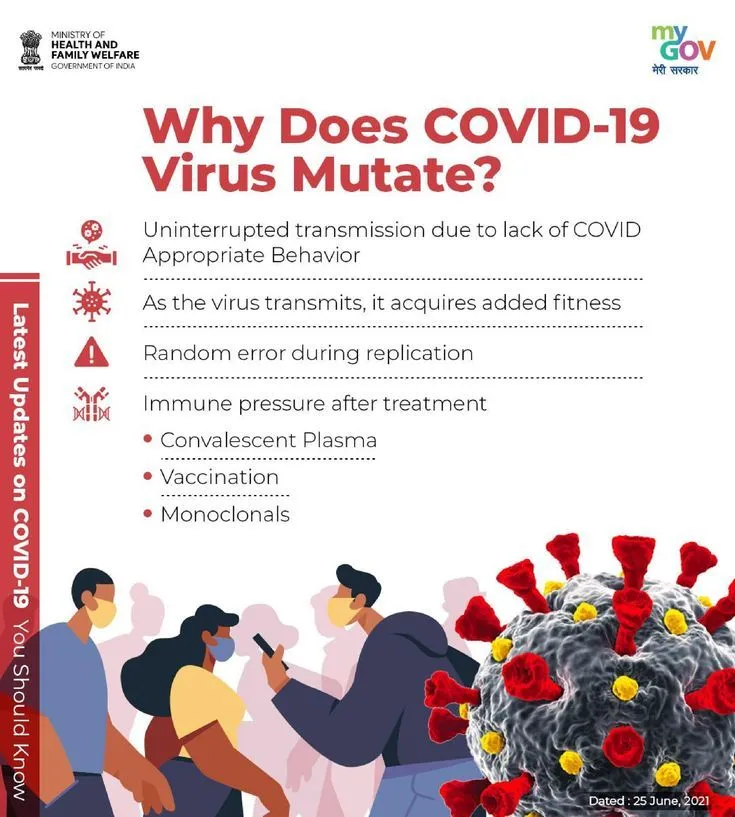
One of the main reasons COVID-19 keeps returning is the virus’s ability to evolve. Like other viruses, SARS-CoV-2 continues to undergo genetic changes as it spreads among people. These changes can create new variants or sub-variants that may spread more easily.
Although many new variants do not cause more severe illness, some may have advantages that help them escape existing immunity to some extent. This means people who were previously infected or vaccinated may still become infected again, especially after immunity levels gradually decrease over time.
However, previous immunity generally continues to provide protection against severe disease, hospitalisation and serious complications.
Waning Immunity Allows Periodic Infections
Another important factor behind recurring COVID-19 cases is the gradual decline of immunity over time. Protection from vaccines and previous infections reduces after months, particularly against mild infections.
This does not mean vaccines are ineffective. Vaccination has played a major role in reducing severe outcomes and protecting vulnerable groups. However, immunity against infection itself naturally decreases, allowing the virus to circulate again.
As immunity levels vary between individuals and communities, some areas may experience increases in cases while others remain relatively unaffected.
Regional Factors Influence COVID-19 Spread
Experts explain that COVID-19 activity in India is often influenced by regional conditions. Unlike the early pandemic period, when the virus spread rapidly across the entire country, recent increases are usually limited to specific areas.
Several factors can affect local transmission, including population movement, weather conditions, crowded gatherings, changes in social behaviour and immunity levels within communities.
For example, increased travel, festivals, public events or seasonal changes may create situations where respiratory viruses spread more easily. These factors can lead to temporary increases in infections in certain regions.
Seasonal Changes and Respiratory Virus Behaviour
Respiratory viruses often show seasonal patterns, and COVID-19 is no exception. Changes in temperature, humidity and human behaviour can influence how easily respiratory infections spread.
During periods when people spend more time indoors or when environmental conditions support viral survival, transmission can increase. Similar patterns are seen with illnesses such as influenza and other respiratory infections.
However, COVID-19 does not follow a perfectly fixed seasonal cycle. The virus continues to evolve, making its behaviour more complex and difficult to predict.
New Variants and Continuous Viral Evolution
The evolution of SARS-CoV-2 remains one of the biggest reasons behind repeated outbreaks. Viruses naturally change as they replicate, and some mutations provide advantages in transmission.
New variants can emerge with improved ability to spread among people who already have some immunity. This process explains why COVID-19 cases may rise even in populations with high vaccination coverage.
Scientists worldwide continue to monitor new variants to understand their characteristics, including their transmissibility, ability to escape immunity and potential impact on public health.
Why Recent Increases Are Not Considered a Major New Wave
Health experts emphasise that current COVID-19 increases in India are different from earlier pandemic waves. Previous waves were characterised by widespread transmission, high hospitalisation rates and significant pressure on medical facilities.
Recent increases are generally smaller, more geographically limited and associated with milder illness in most people. The healthcare system is better prepared, and doctors have more experience managing COVID-19 cases.
Experts suggest that monitoring infection trends remains important, but sudden panic is unnecessary when cases rise in limited areas.
Importance of Continued Monitoring and Awareness
Even though COVID-19 has become less disruptive, continued monitoring remains essential. Health authorities track infection trends, emerging variants and hospitalisation rates to identify any potential risks.
People, especially older adults and those with underlying health conditions, should continue following basic precautions when infections increase. Measures such as maintaining hygiene, improving indoor ventilation and avoiding close contact when experiencing symptoms can help reduce transmission.
Vaccination and recommended booster doses remain important tools for protecting vulnerable populations.
The Future of COVID-19 in India
Experts believe COVID-19 is likely to remain part of the global health landscape for the foreseeable future. Similar to influenza and other respiratory viruses, it may continue to cause periodic increases in infections.
The future pattern will depend on several factors, including viral evolution, population immunity and environmental conditions. Instead of expecting COVID-19 to disappear completely, public health systems are focusing on managing it effectively.
India’s experience with COVID-19 has improved disease surveillance, healthcare preparedness and public awareness. These improvements will help the country handle future increases more effectively.
Conclusion: Understanding COVID-19’s New Reality
The repeated appearance of small COVID-19 waves across India reflects the changing nature of the virus rather than a return to the early pandemic situation. Rapid viral evolution, declining immunity over time and regional conditions continue to influence infection patterns.
Experts believe these localised flare-ups are now part of living with an endemic virus. While monitoring and preventive measures remain important, the current situation requires awareness and preparedness rather than fear.
COVID-19 has become a continuing health challenge that requires long-term management, scientific monitoring and responsible public behaviour. By understanding why these small waves occur, people can make informed decisions and protect themselves and their communities.
 Martin