
Korean cuisine has moved from a regional specialty to a major force in global dining. Once primarily available in ethnic enclaves or specialty markets, Korean flavors now appear in mainstream restaurants, supermarket aisles, food delivery apps, and social media feeds worldwide. This expansion forms part of the broader Korean Wave, or Hallyu, which has carried music, television dramas, films, and beauty products across borders and created strong curiosity about the country’s food culture.
Surveys of overseas consumers consistently show rising awareness and positive attitudes toward Korean food. Awareness has reached levels above 68 percent in major international cities, with high rates of favorability and satisfaction among those who have tried it. Restaurant visits have increased, and Korean eateries continue to expand in markets such as the United States. The combination of cultural exposure and accessible, bold flavors has turned Korean dishes into everyday options for many diners outside Korea.
Korean Fried Chicken Leads Global Preferences
Korean-style fried chicken stands out as the most preferred Korean dish in recent international consumer surveys. Known for its ultra-crispy double-fried coating and a range of sauces—especially the sweet-spicy yangnyeom or soy-garlic varieties—it appeals across age groups and regions. Its texture and flavor profile translate well to different markets, which helps explain its strong performance in both preference rankings and actual consumption frequency.
This popularity has supported the growth of specialized fried chicken concepts and chains in multiple countries. The dish often serves as an entry point for people new to Korean food because it feels familiar yet distinctly different from other fried chicken styles.
Kimchi and Bibimbap: Staples with Broad Appeal
Kimchi ranks closely behind fried chicken in both preference and frequency of consumption. As a fermented vegetable side dish, typically made with napa cabbage and seasoned with chili, garlic, and other ingredients, it represents the fermented and probiotic elements of Korean cooking that many associate with health benefits. Its versatility—eaten on its own, mixed into rice, or used in stews and fried rice—helps it fit into varied eating habits.
Bibimbap, a mixed rice bowl topped with vegetables, protein, and often a fried egg, along with gochujang chili paste, consistently appears among the top dishes. Its balanced presentation of colors, textures, and flavors, plus its adaptability for different dietary preferences, makes it approachable for international diners. Both kimchi and bibimbap benefit from strong associations with traditional Korean home cooking and healthy eating.
Bulgogi, Ramyeon, and Other Favorites
Bulgogi, thinly sliced marinated beef grilled or pan-fried, remains a classic favorite for its sweet-savory profile and tender texture. Ramyeon, or Korean-style instant noodles, has seen particularly strong export growth and viral attention, especially spicier varieties that generate social media challenges and discussions. Grilled pork belly, known as samgyeopsal, adds an interactive element through tabletop cooking that many diners find engaging.
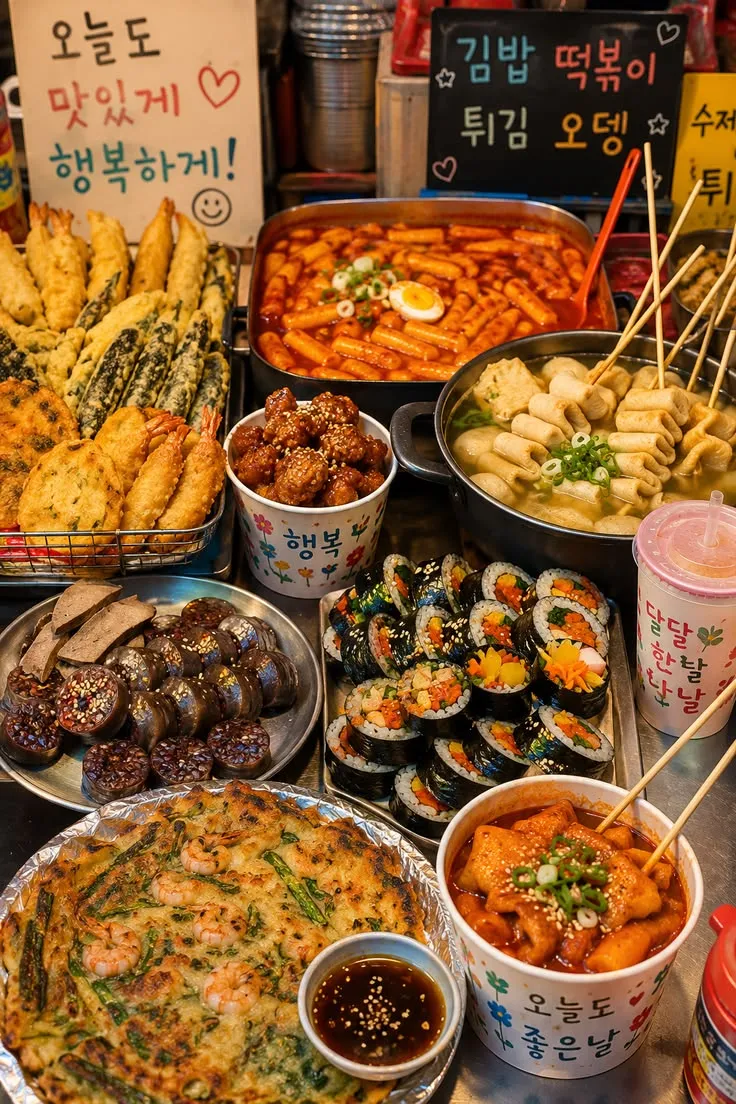
Street-food items such as tteokbokki—chewy rice cakes in a spicy-sweet gochujang sauce—and kimbap, seaweed rice rolls filled with vegetables, egg, or other ingredients, have also gained visibility. These dishes appear frequently in dramas and online content, prompting viewers to seek them out.
Cultural Drivers Behind the Momentum
The rise of Korean food is closely linked to the global success of Korean entertainment. Scenes in popular dramas and films often feature characters eating specific dishes, creating immediate interest among viewers. Music videos, variety shows, and online mukbang content further normalize and glamorize Korean eating experiences. Social media amplifies this effect by spreading recipes, restaurant recommendations, and challenges that encourage people to try the flavors themselves.
This cultural pipeline has translated into commercial results. Exports of Korean food products, including instant noodles, have shown sustained year-over-year growth. Packaged goods such as dumplings, sauces, and ready-to-eat items have found space in international retail channels. At the same time, Korean restaurants have diversified, offering everything from traditional formats to fusion concepts that blend Korean flavors with local preferences.
Restaurant Scene and Fine Dining Recognition
Beyond casual and street-food popularity, Korean cuisine has earned recognition in fine dining. Several Korean restaurants have received Michelin stars, and some have ranked highly in international lists of top restaurants. This dual presence—accessible everyday food alongside elevated interpretations—strengthens the overall image of the cuisine as both approachable and sophisticated.
In many cities, Korean barbecue, hot pot-style concepts, and specialized fried chicken spots continue to open, reflecting sustained consumer demand. Delivery platforms in various markets report notable growth in orders for Korean items, further embedding the cuisine in daily routines.
Health Perceptions and Flavor Appeal
Korean food benefits from a widespread perception of balance and healthfulness. Emphasis on vegetables, fermentation, grilled proteins, and rice-based meals aligns with contemporary interest in diverse, nutrient-conscious eating. At the same time, the cuisine delivers bold, layered flavors—spicy, fermented, savory, and slightly sweet—that stand out in a competitive global food landscape.
The interactive nature of many Korean meals, such as sharing banchan side dishes or grilling meat at the table, also contributes to its social appeal. Dining becomes an experience rather than a purely transactional activity.
Looking Ahead
The trajectory of Korean food shows no immediate signs of slowing. Continued cultural exports, expanding retail availability, and evolving restaurant concepts suggest further integration into global eating habits. Newer generations of diners, already familiar with Korean entertainment, appear especially receptive to exploring the cuisine more deeply.
From crispy fried chicken and fermented kimchi to mixed rice bowls and spicy rice cakes, Korean dishes have secured a lasting place in the international food conversation. Their rise illustrates how cultural soft power, combined with distinctive and adaptable flavors, can transform regional traditions into worldwide trends. As more people encounter these dishes through screens and then seek them on plates, Korean food continues to shape the way the world eats.
Read more – flowofnames.com