
The Supreme Court of India has scheduled a hearing for November 27 on multiple contempt petitions and related applications concerning the non-lighting of a ceremonial lamp at the disputed Deepathoon pillar on Thirupparankundram hill in Madurai. The decision follows developments after the court’s earlier interim order permitting a limited one-time lighting of the Karthigai Deepam at the site.
Background of the Dispute
Thirupparankundram hill is home to the Arulmigu Subramaniaswamy Temple and is also located near the Sikandar Badusha Dargah. The Deepathoon is a stone pillar on the hill that has become the centre of a legal and religious controversy. Petitioners have sought the right to light the traditional Karthigai Deepam lamp at this pillar, while the State and temple authorities maintain that the established practice for over 150 years has been to light the lamp only at the Deepa Mandapam near the Uchipillaiyar Temple.
On November 20, a bench of Justices Aravind Kumar and Vipul M. Pancholi passed an interim order. The court stayed the findings of a Madras High Court judgment that had upheld the right to light the lamp at the Deepathoon as an essential practice. At the same time, the Supreme Court permitted the lighting of the lamp at the Deepathoon on November 24 as a strictly limited one-time arrangement for that year’s Karthigai Deepam. The bench made it clear that the permission did not amount to recognition of any customary right, essential religious practice, or title over the site. All substantive questions were left open for final adjudication.
The court directed that only a small team authorised by the temple administration would be allowed to light the lamp, with arrangements to be coordinated by the Madurai District Collector in consultation with the temple’s Executive Officer, the Archaeological Survey of India, and the Commissioner of Police. Strict security measures were also ordered.
What Happened on November 24
Despite the Supreme Court’s direction, the ceremonial lamp was lit only at the traditional Deepa Mandapam near the Uchipillaiyar Temple. The Deepathoon remained unlit. District authorities later informed the court that they had made all necessary arrangements for compliance. However, the Board of Trustees of the Arulmigu Subramaniaswamy Temple did not authorise any team to light the lamp at the Deepathoon, citing established rituals and practices.
The Tamil Nadu government subsequently conveyed an apology to the Supreme Court for the non-compliance and attributed the failure primarily to the temple administration’s stance.
Filing of Contempt Petitions
Petitioners, including representatives associated with the Hindu Dharma Parishad, moved the Supreme Court alleging wilful disobedience of the November 20 order. Contempt petitions were filed against several officials, including the Madurai District Collector, the Commissioner of the Hindu Religious and Charitable Endowments Department, the Madurai Commissioner of Police, and the temple’s Executive Officer.
The petitioners contended that the non-lighting of the lamp at the Deepathoon constituted a clear violation of the court’s directions. One application also sought urgent directions to light the lamp at the Deepathoon by transferring the flame from the still-burning lamp at the Deepa Mandapam, or by making alternative arrangements consistent with the earlier order.
Court’s Response on November 25 and 26
On November 25, when the matter was mentioned, the bench declined to initiate suo motu contempt proceedings. The judges observed that the parties were free to file formal contempt petitions, which the court would then consider and pass appropriate orders upon.
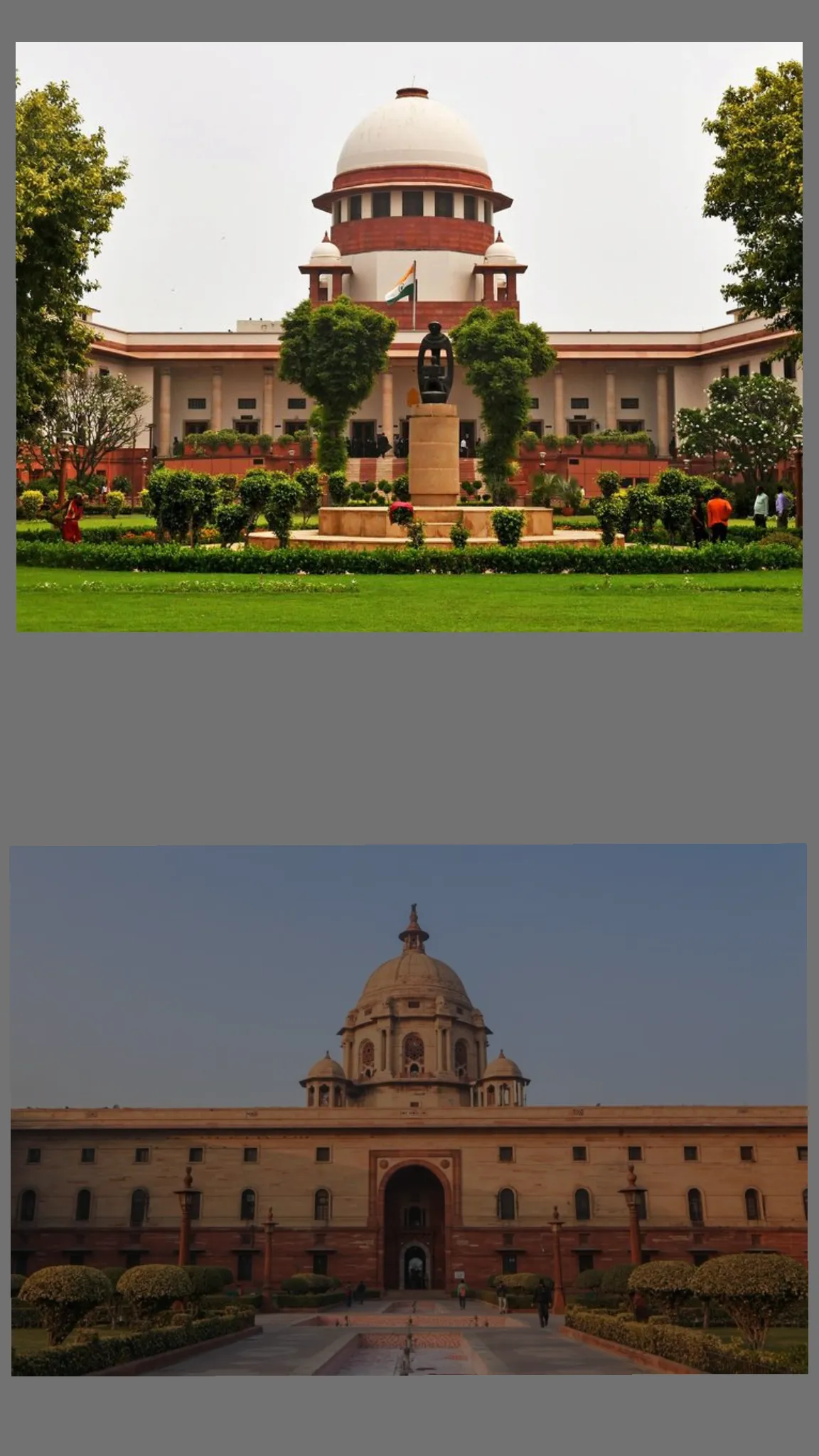
On November 26, lawyers appearing in the matter informed the same bench that multiple contempt petitions and applications had been filed and requested urgent listing. Justice Aravind Kumar responded that everything would be listed the following day. Consequently, the contempt petitions along with the related applications have been scheduled for hearing on November 27.
Significance of the Upcoming Hearing
The November 27 hearing is expected to examine whether there was wilful non-compliance with the Supreme Court’s interim directions and what further steps, if any, are required. The court may also consider the application seeking immediate lighting of the lamp at the Deepathoon using the existing flame or other practical arrangements.
The larger legal questions surrounding customary practice, religious rights, title, and administration of the hill remain pending. The Supreme Court has consistently emphasised that its November 20 order was a limited interim measure and should not be treated as a final determination of rights.
Balancing Interests
The dispute involves sensitive issues of religious practice, local custom, and communal harmony. The State has maintained that lighting the lamp only at the traditional location helps preserve established practice and avoid potential law-and-order complications. Petitioners argue that the court’s order for a one-time lighting should have been implemented and that non-compliance undermines the authority of judicial directions.
By listing the contempt matters promptly, the Supreme Court has signalled its intention to examine the allegations of non-compliance without delay while continuing to keep the broader dispute under judicial scrutiny.
As the matter proceeds on November 27, attention will remain focused on how the court balances the need to enforce its interim orders with the complex historical, religious, and administrative dimensions of the Thirupparankundram hill dispute. The outcome of the contempt proceedings could influence the manner in which interim directions are implemented in similar sensitive cases in the future.
Read more – thewordstarter.com