
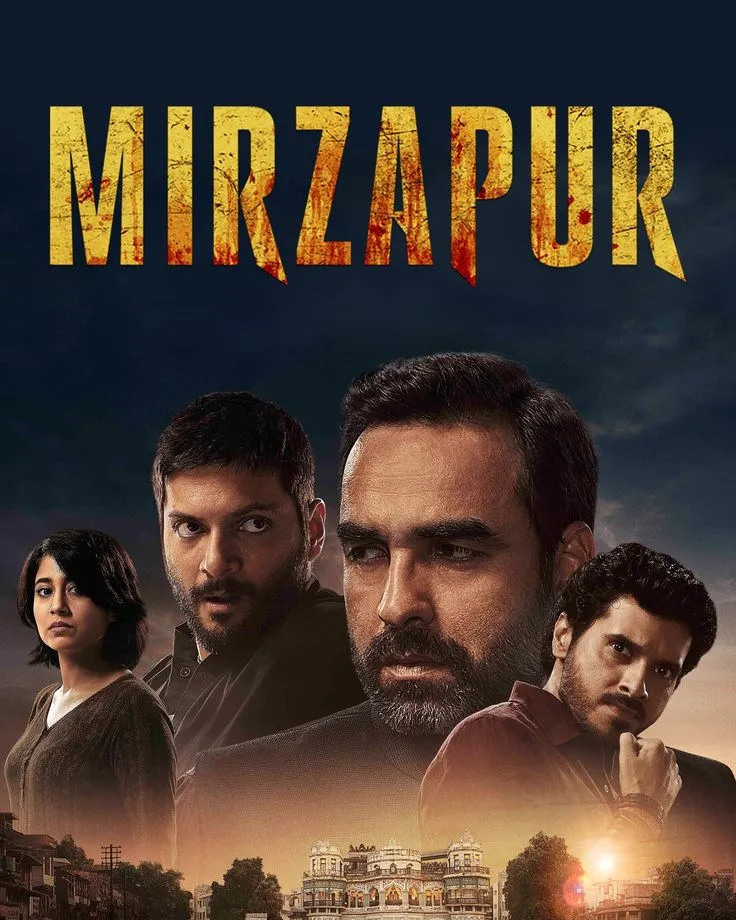
The theatrical release of Mirzapur: The Movie has brought both commercial success and unexpected controversy. While the crime drama, produced by Farhan Akhtar and Ritesh Sidhwani under Excel Entertainment, has drawn audiences with its continuation of the popular streaming series, a Rajasthani folk track featured in the film has triggered strong objections from its original performer. Singer and artist Rapperiya Baalam has alleged that his song “Shoorveer,” created as a tribute to Maharana Pratap, was used without permission and placed in a context that glorifies fictional gangsters.
The Core of the Allegation
Rapperiya Baalam, a Rajasthan-based musician known for blending folk traditions with contemporary sounds, publicly expressed his disappointment through a video shared on social media. He stated that the film’s team never approached him for permission to use the track. “The team never took my permission to use the song,” he said. “This song was dedicated to Maharana Pratap Singh, and you’re using it to glorify villains? Is this okay?”
The artist emphasised that his objection goes beyond copyright concerns. For him, the song carries cultural and historical weight. Maharana Pratap is widely revered as a symbol of resistance, valour, and sacrifice in Rajasthan and across India. Placing a composition honouring that legacy in a sequence that, in the singer’s view, elevates the film’s criminal characters felt deeply inappropriate. Baalam described the decision as an insult to Rajasthan and to the memory of the legendary ruler.
He further noted that had the makers contacted him after discovering the song, he would have been open to collaboration and could have offered alternative material better suited to the film’s tone. The lack of any communication, he said, left him feeling both disregarded and disrespected.
Context Within the Film
Mirzapur: The Movie, directed by Gurmmeet Singh and written by Puneet Krishna, expands the universe of the Amazon Prime Video series that first premiered in 2018. The film stars Pankaj Tripathi, Ali Fazal, Divyenndu, Jitendra Kumar, and Ravi Kishan, among others. It continues the story of power struggles, loyalty, and violence in the fictionalised underworld of Mirzapur.
According to reports surrounding the controversy, “Shoorveer” appears during a high-intensity sequence involving the film’s central gangster characters. The energetic and heroic quality of the track, originally meant to evoke the spirit of a historical warrior, has been reinterpreted within a narrative of modern crime and dominance. This shift in meaning forms the heart of Baalam’s criticism.
Cultural Sensitivity and Artistic Ownership
The dispute highlights two overlapping issues that frequently arise in the Indian entertainment industry: the proper clearance of music rights and the ethical use of culturally significant material. Folk and regional compositions often carry layers of meaning tied to history, identity, and community pride. When such works are removed from their original context and placed in commercial narratives, questions of respect and representation inevitably surface.
Baalam’s comments reflect a broader concern shared by many independent and regional artists. They invest creative energy into works that celebrate local heroes and traditions, only to find those works later absorbed into mainstream projects without adequate consultation or credit. In this case, the singer has questioned not only the absence of permission but also the source from which the film’s team may have obtained any rights to the track.
As of the latest available information, the makers of Mirzapur: The Movie have not issued a detailed public response addressing the specific claims. The silence has allowed the controversy to gain traction among audiences, particularly those from Rajasthan and those who hold Maharana Pratap in high regard.
Industry Practices and Rights Management
In large-scale film productions, music clearance typically involves multiple layers of licensing, including rights held by composers, lyricists, performers, and music labels. Situations occasionally arise where a track is licensed through one party while another stakeholder remains uninformed or unacknowledged. Whether such a process occurred in this instance remains unclear without official clarification from the producers.
What is clear is the emotional impact on the original artist. Baalam has framed his reaction not as opposition to the film’s commercial success but as a defence of the song’s intended purpose. He has indicated readiness to pursue formal legal steps, including the possibility of sending a notice seeking removal of the track or proper attribution.
Public and Cultural Reaction
The allegations have prompted discussion among viewers and social media users. Many have expressed support for the singer, arguing that cultural tributes should not be casually repurposed. Others have noted that films often draw on existing music and that legal rights, once properly acquired, allow creative reinterpretation. The debate reflects a familiar tension between artistic freedom and cultural accountability.
Maharana Pratap occupies a special place in the popular imagination as a figure of courage and principled resistance. Any creative work associated with his legacy tends to attract heightened scrutiny. By linking the song so explicitly to the historical figure, Baalam has elevated the conversation beyond a standard rights dispute into one concerning historical memory and regional pride.
Looking Ahead
Mirzapur: The Movie continues its theatrical run with strong audience interest. The controversy over “Shoorveer,” however, has introduced an unexpected layer of public discussion. How the producers choose to respond—whether through clarification, credit, or dialogue with the artist—will likely shape the next phase of the story.
For independent and regional musicians, the episode serves as a reminder of the importance of clear documentation and proactive rights management. For mainstream filmmakers, it underscores the need for careful cultural due diligence when incorporating works that carry deep historical or regional significance.
At its core, the disagreement is about more than one song in one film. It touches on questions of ownership, context, and respect that continue to surface whenever traditional or folk material enters the commercial entertainment space. Rapperiya Baalam’s public statement has brought those questions into sharp focus, ensuring that the conversation around “Shoorveer” will remain part of the film’s early reception.
Read more – Thepowerfuldua.com , yandex-games.org