
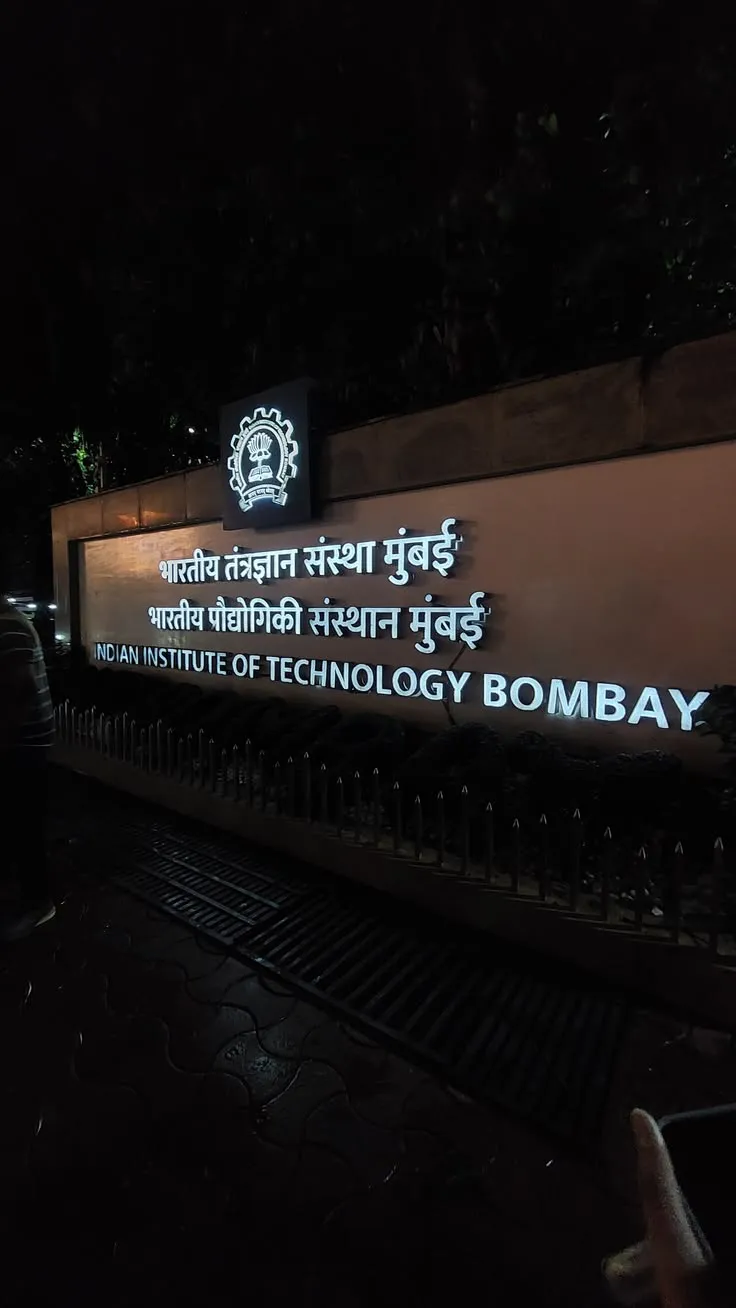
The Indian Institute of Technology Bombay has resumed its postponed mid-semester examinations on October 10 and 11 under a combination of tighter examination-hall protocols and a return to comparatively milder academic malpractice rules from 2015. The decision follows an emergency review by the institute’s Senate after the death of a second-year student and subsequent campus protests that raised questions about disciplinary procedures and student support systems.
Background to the Postponement
Mid-semester examinations were suspended after the death by suicide of Sahil Wakode, a second-year BTech student in the Department of Energy Science and Engineering, on September 18. Reports indicated that he had been found using a mobile phone during an examination earlier that day. The incident prompted student protests and calls for a review of how suspected academic misconduct is handled, as well as broader concerns about student welfare.
The remaining papers, originally scheduled and then tentatively shifted to late September, were further deferred to October 10 and 11. This additional time allowed an eight-member committee with equal faculty and student representation to examine existing guidelines and propose interim measures focused on clarity, consistency, and reduced unnecessary stress for students.
Reversion to the 2015 Malpractice Framework
Without fanfare in the official communication to students, the institute has set aside the stricter disciplinary document introduced in July 2026 and restored the rules finalised in April 2015. Under the July framework, a student found carrying a mobile phone into an examination hall faced an FR (fail and repeat) grade together with a one-semester suspension. Using the device attracted the same penalties.
The 2015 rules prescribe lighter consequences. Carrying a phone typically results in the loss of one grade, while actual use can lead to an FR grade. Suspension is reserved mainly for more serious or repeated offences such as mass copying or impersonation, and the nature and seriousness of the incident guide the final decision. Benefit of the doubt is available where evidence is unclear.
This reversion applies specifically to the October examinations while a longer-term review continues. Repeat offences and violations during bio-breaks involving unauthorised material continue to carry stronger consequences under the interim arrangement.
Tighter Security and Entry Protocols
Alongside the softer penalty structure, examination logistics have been tightened. Students and invigilating teaching assistants must report half an hour early. Phones, bags, smartwatches, earphones and other electronic devices, as well as books and notes, are to be left outside the examination building. Entry closes thirty minutes after an examination begins, and students not scheduled for a paper are not permitted inside the building during exam hours.
Candidates must be seated at least ten minutes before the paper starts. Teaching assistants arrive early with original identification, keep their own devices outside the hall, and permit only one student at a time for bio-breaks. Physical frisking by security personnel has been discontinued; checks focus on unauthorised material without treating every examinee as a suspect.
New Interim Procedure for Suspected Misconduct
A structured standard operating procedure now guides responses when malpractice is suspected. The invigilator is expected to seize any unauthorised item with minimal conversation or disruption, photograph material that must be returned, and provide the student with a fresh answer booklet so that writing can continue for the remaining time. The original answer book and seized items are collected for later review.
The invigilator records details on a prescribed form. The student is given the option—not the obligation—to submit a written account of events on a separate sheet. The Quick Response Team of wellness counsellors is alerted so that support is available once the student leaves the hall. Further proceedings move to the relevant departmental academic disciplinary committee rather than remaining with the invigilator.
These steps aim to reduce immediate confrontation, preserve the student’s ability to complete the paper, create a clear documentary record, and ensure counselling support is offered promptly.
Broader Context and Ongoing Review
The Senate’s decisions reflect a shift toward greater sensitivity in handling academic integrity issues while maintaining the integrity of the examination process. Faculty members involved in the discussions have noted that the emphasis has moved toward student-friendly implementation and clearer procedures for invigilators. An eight-member committee continues to work on refined guidelines that incorporate multiple rounds of feedback and will eventually return to the Senate for longer-term adoption.
The episode has also prompted wider discussion on campus about balancing rigorous academic standards with mental-health support and transparent processes. Measures under consideration in the ongoing review include clearer communication of consequences, opportunities for students to speak with mentors before formal action, and consistent handling across departments.
Looking Ahead
By combining stricter physical and procedural controls in examination halls with milder, more graduated penalties drawn from the 2015 framework, IIT Bombay has sought to restore the examination schedule while addressing immediate student concerns. The interim arrangements apply to the October 10 and 11 papers. The final shape of permanent rules will depend on the committee’s further recommendations and Senate approval.
The resumption of examinations under these revised conditions marks an attempt to rebuild confidence in both the fairness of the process and the institute’s capacity to support students. Clear documentation, continued writing after an incident, optional student statements, and prompt counselling alerts form the practical core of the current approach. As the academic calendar moves forward, the effectiveness of these measures will be tested in real examination conditions and refined through the continuing review.
Read more – PeopleStoryHub.com
 Martin