
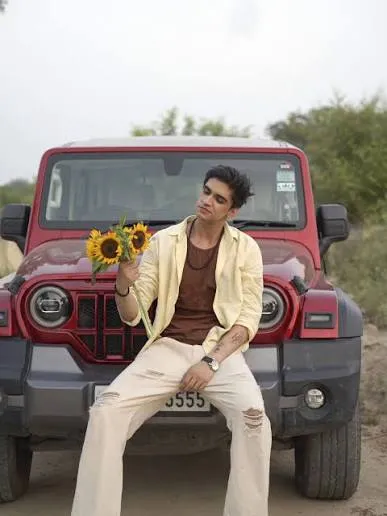
Actor and reality television personality Dev Karan Sharma, known for his appearance on MTV Splitsvilla X5, recently found himself at the centre of a widely shared video after confronting a tourist in McLeodganj. The incident, which unfolded while he was visiting the popular Himachal Pradesh hill town with friends, has drawn attention to issues of consent, tourist behaviour and personal safety in crowded tourist destinations.
The Viral Confrontation in McLeodganj
According to reports, Dev Karan Sharma noticed a tourist filming women without their consent. He stepped in, questioned the man and made it clear that such behaviour was unacceptable. In the circulating video, he can be heard stating that filming women without permission is not right and that he planned to report the matter to the police. The clip captured the moment of confrontation and quickly spread across social media platforms.
McLeodganj, a well-known destination near Dharamshala, attracts a steady stream of visitors throughout the year. Its mix of Tibetan culture, scenic views, cafes and markets draws both domestic and international travellers. The presence of large numbers of tourists in relatively open public spaces sometimes creates situations where boundaries of privacy and consent come under pressure. The video of Dev Karan’s intervention has renewed discussion around these everyday challenges.
Context of Rising Tourist Footfall and Police Response
At the time of the incident, McLeodganj was experiencing regular tourist activity. Local authorities have responded by increasing vigilance. The Dharamshala police administration has deployed additional forces in the area. Officials have stated that the objective is to provide a smooth and safe experience for visitors while preventing any form of misconduct. They have also indicated that appropriate legal action will be taken against anyone found misbehaving with tourists or locals or violating the law.
Such measures reflect a broader recognition that popular hill stations require continuous monitoring, especially during peak seasons. Crowded markets, narrow lanes and public gathering spots can become sites where inappropriate filming or other forms of harassment occur if left unchecked. The presence of visible policing aims to deter such acts and reassure both residents and visitors.
Consent and the Issue of Unwanted Filming
The core issue raised by the confrontation is consent. Filming people, particularly women, in public spaces without their knowledge or permission crosses a clear boundary for many. While public photography is common in tourist areas, the targeted recording of individuals without consent raises serious concerns about privacy and potential misuse of images. Smartphones have made it easier than ever to capture and share footage, increasing the need for clear social norms and legal awareness.
Dev Karan’s decision to speak up on the spot has been noted as an example of bystander intervention. Many people witness uncomfortable situations but hesitate to act. By directly addressing the tourist and stating his intention to involve the police, he brought the matter into the open. The viral nature of the video has amplified that message, prompting conversations about when and how ordinary citizens should respond to such behaviour.
Broader Challenges of Tourist Conduct in Hill Stations
Himachal Pradesh destinations, including McLeodganj, Manali and Shimla, regularly feature in discussions about tourist behaviour. While the vast majority of visitors enjoy the natural beauty and cultural experiences responsibly, isolated incidents of misconduct occasionally surface and gain attention online. These episodes range from public disturbances to more serious allegations involving harassment. Each case adds to the ongoing conversation about the responsibilities that come with travel.
Local communities in these hill towns often balance the economic benefits of tourism with the need to maintain safety and cultural respect. Increased footfall brings income to hotels, restaurants, transport operators and small businesses. At the same time, it places pressure on infrastructure and public order. Authorities must therefore manage both the welcome extended to visitors and the enforcement of basic standards of conduct.
Women’s safety remains a particular focus. Tourist destinations that attract diverse groups of travellers must ensure that public spaces feel secure for everyone. Unwanted filming can create an atmosphere of discomfort even when no physical contact occurs. Clear communication of rules, visible policing and public awareness campaigns help reinforce the message that consent is non-negotiable.
Role of Social Media and Public Reaction
The speed with which the video spread highlights the power of social media in shaping public discourse. Within a short time, the clip reached a wide audience, generating comments that ranged from support for Dev Karan’s action to broader reflections on tourist etiquette. Viral videos of this nature often serve as informal education tools, reminding viewers of acceptable and unacceptable behaviour in shared spaces.
At the same time, the rapid circulation of such content places responsibility on both the person recording and those who share it. While the confrontation itself addressed an alleged violation of consent, the online discussion that followed has kept the focus on the underlying issue rather than on personal drama. This outcome is useful for public conversation, provided the discussion remains constructive.
Importance of Bystander Action and Legal Awareness
Dev Karan’s intervention illustrates one practical response to observed misconduct. Speaking up, documenting the situation if safe to do so, and involving authorities when necessary are steps that can discourage further incidents. Legal provisions exist to address voyeurism, harassment and violations of privacy. Awareness of these provisions among both tourists and local residents strengthens the overall environment of accountability.
Police statements indicating that legal action will follow in cases of misconduct send a clear signal. Consistent enforcement, combined with visible presence in tourist-heavy zones, helps maintain order. For visitors, understanding that filming others without consent can have consequences is an essential part of responsible travel.
Looking Ahead for McLeodganj and Similar Destinations
McLeodganj continues to welcome travellers seeking its unique blend of mountain scenery and cultural experiences. The recent incident serves as a reminder that the quality of the visitor experience depends not only on natural beauty and facilities but also on mutual respect among people sharing public spaces. Additional police deployment is a practical step toward that goal.
Public figures who choose to intervene when they witness inappropriate behaviour can influence norms, especially when their actions are recorded and shared. In this case, a reality television personality known from Splitsvilla X5 used his presence to challenge an alleged act of non-consensual filming. The resulting conversation extends beyond one viral video to questions of consent, safety and tourist responsibility that apply across many destinations in India.
As hill towns continue to attract large numbers of visitors, sustained attention to these issues remains necessary. Clear guidelines, responsive policing and a collective willingness to speak up when boundaries are crossed all contribute to safer and more respectful public environments. The McLeodganj confrontation, though limited in its immediate details, has contributed to that larger discussion by bringing a specific instance of alleged misconduct into public view.
Read more – wardrobeoops.com
 Streamline