
Government school teachers in Delhi who are assigned duties as booth-level officers during holidays or school vacations will now be eligible for special leave benefits. The Directorate of Education has issued a circular clarifying that such teachers can avail special earned leave, compensatory leave or earned leave for election-related work performed outside regular school days.
Clarification on Leave Entitlements
The circular, issued on Wednesday, addresses a long-standing concern among teachers who are frequently drafted for electoral roll revision and other election duties. Teachers deployed as booth-level officers often carry out field work, verification exercises and related tasks on Sundays, gazetted holidays and during school vacations. Until now, many faced uncertainty or inconsistency in receiving compensatory time off for this work.
According to the instructions, teachers who perform full-day or significant election duties during non-working periods will be entitled to the appropriate form of leave credit. The Directorate has directed heads of government schools and other education officials to implement these provisions and take necessary action.
Background to the Decision
The move follows representations from teachers’ associations that had sought formal recognition of election duties performed during holidays and vacation periods. The associations had pointed out that while teachers were fulfilling statutory responsibilities under the Election Commission, many school heads were reluctant or unclear about granting compensatory or earned leave for such work.
The matter was examined after communications from Delhi’s Chief Electoral Officer and the Election Commission of India. The resulting circular aims to bring uniformity and clarity across government schools in the national capital.
Remuneration and Incentives for BLOs
In addition to leave benefits, the circular reiterates the remuneration structure prescribed by the Election Commission for booth-level officers and their supervisors. Under existing instructions, a booth-level officer is entitled to an annual remuneration of Rs 12,000. A BLO supervisor is entitled to Rs 18,000 annually.
Further, a special incentive of Rs 2,000 is payable for work connected with Special Summary Revision, Summary Revision and other special election drives. These payments are intended to compensate for the additional workload involved in intensive verification and updating of electoral rolls.
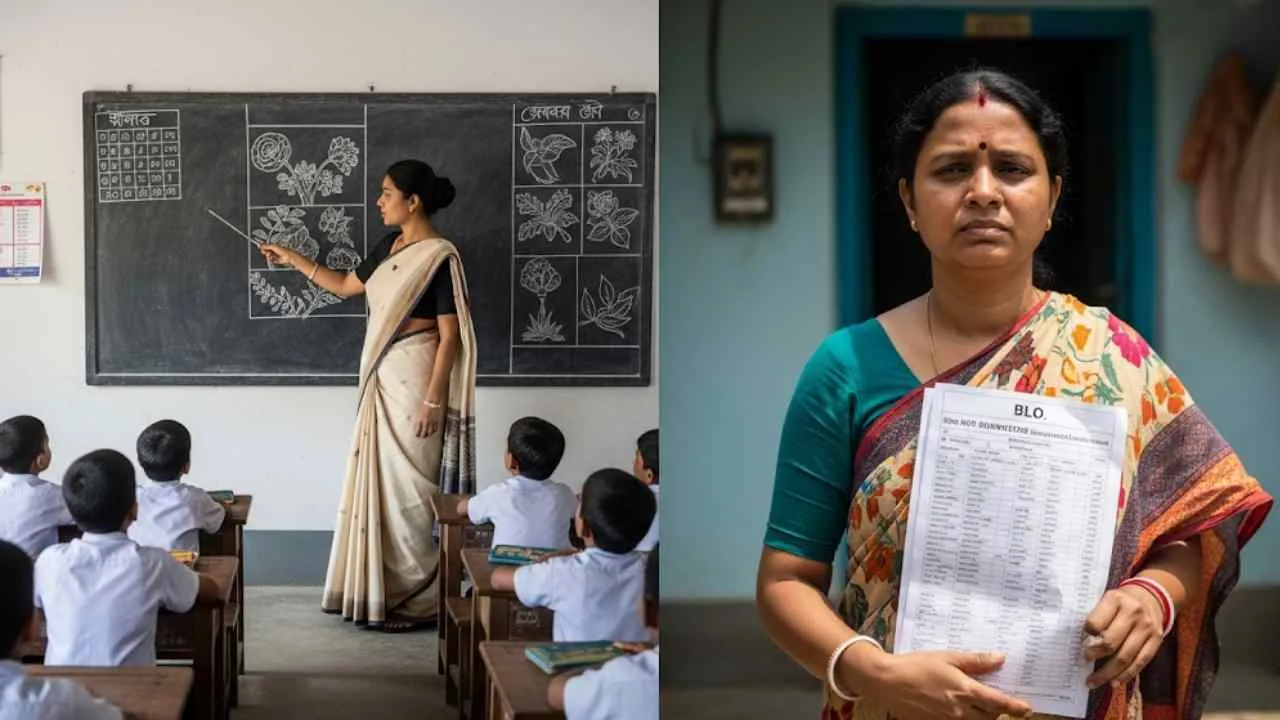
Role of Teachers in the Electoral Process
Booth-level officers play a crucial grassroots role in India’s electoral system. They are responsible for maintaining and updating electoral rolls in their assigned polling areas, conducting door-to-door verification, assisting voters with inclusion or correction of names, and supporting various revision exercises ordered by the Election Commission.
In Delhi, a significant number of government school teachers are appointed as BLOs because of their familiarity with local communities and their administrative experience. While this arrangement strengthens the electoral machinery, it also places additional demands on teachers who already carry full teaching and school responsibilities.
Election-related work is expected to be carried out primarily during non-teaching hours, holidays and vacation periods so that classroom instruction is not disrupted. The new leave provisions acknowledge the personal time sacrificed by teachers when they perform these duties on days that would otherwise be off.
Implementation Across Schools
The Directorate of Education has circulated the instructions to all heads of government schools and relevant education officials. School administrators are expected to credit the appropriate leave once teachers produce the necessary duty certificates issued by the concerned electoral registration officers or other authorised election officials.
Clear documentation will be important. Teachers performing holiday or vacation duties are generally issued attendance or duty certificates that record the nature and duration of the work. These certificates will form the basis for granting special earned leave, compensatory leave or earned leave, as applicable under the relevant leave rules.
Balancing Academic and Electoral Responsibilities
The clarification comes against a backdrop of periodic concerns about the workload on teachers during intensive electoral roll revision exercises. In recent months, there have been discussions about ensuring that election duties do not compromise teaching time or place excessive strain on school staff. The Election Commission has maintained that teachers should undertake BLO work during non-teaching hours and holidays.
By formalising leave benefits for such periods, the Delhi government seeks to recognise the contribution of teachers while maintaining the principle that their primary professional responsibility remains education. The dual system of annual remuneration plus leave credit for holiday work is intended to provide both financial and temporal compensation.
Wider Implications for Teachers
For many teachers, the ability to claim compensatory or earned leave for election duties performed during vacations offers practical relief. It allows them to recover personal time later in the year and reduces the sense that holiday work goes unacknowledged. Consistent application of the circular across all districts and schools will be essential for the policy to achieve its intended effect.
Teachers’ associations that had raised the issue are likely to monitor implementation closely. Uniform granting of leave credits, prompt processing of claims, and clear communication at the school level will determine how effectively the new instructions translate into benefits on the ground.
A Step Toward Clarity and Fairness
The Directorate of Education’s circular provides much-needed clarity on a matter that had generated repeated representations. By linking leave benefits to election duties performed during holidays and vacations, and by restating the prescribed remuneration and special incentives, the order attempts to create a more transparent framework for teachers serving as booth-level officers.
As electoral processes continue to rely on the participation of government employees, including teachers, measures that recognise additional work without undermining core professional duties remain important. The latest instructions represent one such measure, aimed at balancing the demands of democratic processes with the rights and well-being of the teaching community in Delhi.
Read more – wellposhan.com