
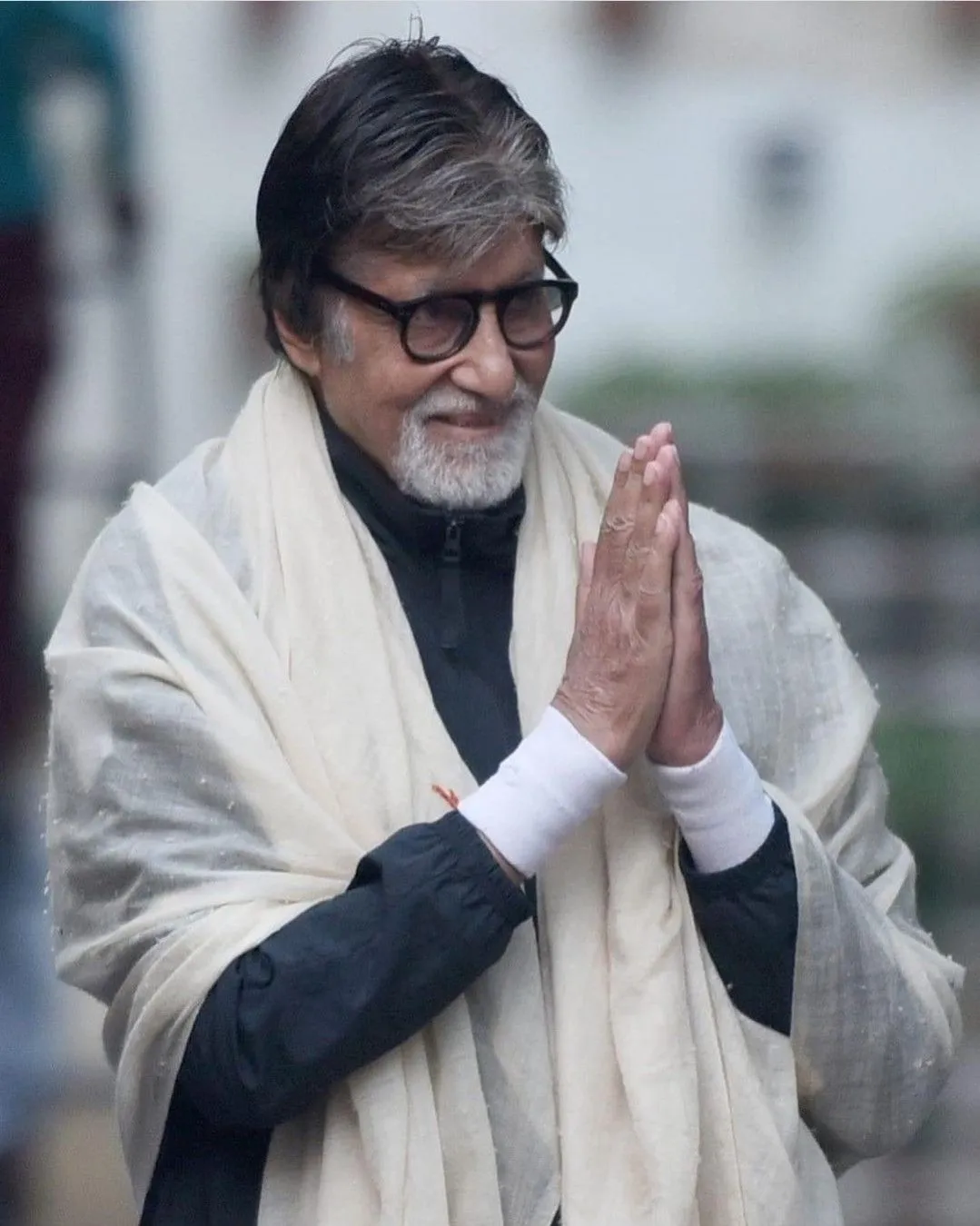
Amitabh Bachchan has described the devastation caused by the recent floods in Nepal as unbearable to watch. In a blog post, the veteran actor reflected on the scale of the destruction and the limits of human power when confronted by nature’s force, while offering prayers for those affected. His remarks came as rescue and recovery operations continued across the flood-hit regions and as other film personalities also expressed solidarity.
Bachchan’s Reflection on the Disaster
Writing on his blog, Bachchan stated that the scenes of destruction from the Nepal floods were difficult to witness. He observed that the fury of nature cannot be battled and that respect for such power requires the presence of the divine. He concluded with a simple call to prayer, describing prayer itself as something beyond ordinary measures.
The comments appeared in a post that also marked Raksha Bandhan, blending personal reflection on familial bonds with a sombre acknowledgement of the unfolding humanitarian crisis. The actor’s measured tone avoided dramatic rhetoric and focused instead on the human difficulty of absorbing such large-scale loss.
Scale of the Floods
Catastrophic flash floods struck Nepal on 26 August 2026. According to Nepal’s National Disaster Risk Reduction and Management Authority, the bodies of 579 people had been recovered by the time of later updates, while nearly 1,900 people remained unaccounted for. Earlier reports had recorded lower but still rising figures as search teams worked through difficult terrain.
The floods originated from a surge linked to an ice-rock avalanche and glacial activity near the Tibet-Nepal border. Water, mud and debris tore through river systems including the Bhote Koshi and Trishuli, destroying homes, roads, bridges and hydropower infrastructure. Entire stretches of connectivity were washed away, complicating both rescue access and the movement of relief supplies.
The disaster affected local residents and visitors alike. Hundreds of foreign nationals, including Indian tourists, were among those reported missing or requiring assistance in the initial days. Cross-border dimensions of the flooding added further complexity to the response.
Ongoing Rescue and Relief Efforts
Nepalese authorities mobilised the army, police and specialised disaster teams for continuous search and rescue. Helicopters were deployed to reach isolated areas, while ground teams navigated debris fields and damaged routes. The recovery of bodies and the search for the missing continued under challenging conditions of weather, terrain and limited access.
India extended support through humanitarian assistance, including the dispatch of relief materials, medicines and food supplies. Coordination with Nepalese authorities formed part of the broader regional response. Neighbouring areas in India also prepared for possible downstream effects along shared river systems.
Response from the Film Community
Bachchan’s blog post formed part of a wider expression of concern from the Indian film industry. Several actors and filmmakers shared messages of solidarity, posted emergency helpline information and called for assistance to those affected. Some highlighted the human cost in both Nepal and the adjacent Chinese regions, while others focused on the practical needs of rescue and rehabilitation.
Nepal-born actresses and performers with personal ties to the country voiced particular anguish. Others with experience in disaster relief work offered public assurances of support. Collectively, these statements reflected a shared recognition of the scale of loss and the need for sustained attention beyond the initial news cycle.
Nature’s Power and Human Limits
Bachchan’s emphasis on the inability to battle nature’s fury touched on a recurring theme in responses to Himalayan disasters. Glacial lakes, steep valleys and intense monsoon or sudden melt events create conditions in which large volumes of water and debris can move with little warning. Infrastructure, settlements and transport links in such regions remain vulnerable despite advances in monitoring and early warning.
In the face of such events, the immediate priorities remain search, rescue, medical care and the provision of shelter and supplies. Longer-term recovery involves rebuilding homes, restoring roads and bridges, assessing damaged hydropower projects and supporting communities whose livelihoods have been disrupted. International assistance and regional cooperation often play important roles in both phases.
A Call for Prayer and Perspective
By framing his response in terms of prayer and respect for forces beyond human control, Bachchan offered a perspective that many readers found resonant. Public figures frequently face pressure to comment quickly on distant tragedies. His choice of words avoided political framing or speculative analysis and centred instead on the emotional weight of the images and the instinct to seek solace through prayer.
The blog post also illustrated the actor’s long-standing practice of sharing personal reflections on current events alongside notes about family and work. At a time when he continues to be involved in major film projects, the decision to pause and address the Nepal floods underscored the human impact of the disaster.
Continuing Challenges
As rescue operations progressed, the true extent of the loss continued to emerge. The high number of people still unaccounted for indicated that the final toll would rise. Damaged infrastructure meant that some communities remained difficult to reach. The task of identifying the deceased, supporting grieving families and beginning reconstruction would require sustained effort over weeks and months.
For those following the events from outside the affected region, the combination of official updates, ground reports and personal statements from public figures helped maintain attention on the humanitarian needs. Bachchan’s description of the devastation as unbearable to watch captured a widespread sense of helplessness in the face of sudden, large-scale natural destruction.
Solidarity Amid Loss
The floods in Nepal have left a deep mark on communities along the affected river valleys and on those watching from afar. Amitabh Bachchan’s words added a prominent voice to the expressions of concern, emphasising both the scale of the tragedy and the limits of human response. As search teams continue their work and relief efforts expand, the focus remains on the people whose lives have been upended and on the difficult process of recovery that lies ahead.
Read more – Instantdua.com