
For decades, Body Mass Index (BMI) has been one of the most commonly used methods to assess whether a person has a healthy weight. However, growing research suggests that BMI alone may not provide a complete picture of health risks because it does not show where fat is stored in the body. As concerns about obesity-related diseases increase, health experts are exploring better ways to identify people who may be at risk.
In India, the discussion around obesity assessment is changing as health authorities have recommended greater use of the waist-to-height ratio (WHtR) as an additional tool for identifying obesity-related health risks. Experts believe that measuring the distribution of body fat, especially fat around the abdomen, may provide more useful information than body weight alone.
The shift does not necessarily mean that BMI will disappear completely. Instead, it reflects a growing understanding that obesity assessment requires more detailed measurements to better predict health risks.
Understanding BMI and Its Role in Health Assessment
Body Mass Index is a measurement calculated using a person’s weight and height. It has been widely used around the world as a simple method to categorize individuals as underweight, normal weight, overweight, or obese.
BMI became popular because it is easy to calculate and can be used for large populations. Healthcare professionals have traditionally relied on BMI as an initial screening tool to understand weight-related health risks.
However, BMI has limitations. It does not distinguish between muscle mass and fat. For example, an athlete with high muscle content may have a higher BMI despite having low body fat. Similarly, a person may have a normal BMI but still carry excess abdominal fat, which can increase the risk of certain health problems.
Because of these limitations, experts have been looking for additional measurements that provide a clearer understanding of metabolic health.
What Is Waist-to-Height Ratio?
Waist-to-height ratio is a simple measurement that compares a person’s waist circumference with their height.
The idea behind this measurement is that waist size provides information about abdominal fat, especially visceral fat, which surrounds internal organs and is linked to several health risks.
Unlike BMI, waist-to-height ratio focuses on the location of fat rather than only overall body weight.
A higher waist-to-height ratio may indicate increased abdominal fat and a greater possibility of developing conditions such as type 2 diabetes, high blood pressure, heart disease, and other metabolic disorders.
Because it requires only a measuring tape and height measurement, the waist-to-height ratio is considered a practical and accessible health screening method.
Why Abdominal Fat Matters More Than Weight Alone
Not all body fat affects health in the same way. Fat stored around the abdomen is considered more concerning because it can influence the body’s metabolic processes.
Visceral fat can contribute to inflammation and insulin resistance, which are associated with several chronic diseases.
A person may appear to have an average body weight but still have unhealthy levels of abdominal fat. This situation is sometimes described as “normal weight obesity,” where individuals may not be identified as high risk through BMI alone.
The increasing focus on waist measurements reflects the understanding that fat distribution plays an important role in determining health outcomes.
Why India Is Focusing on Better Obesity Assessment
India has experienced significant changes in lifestyle patterns over recent decades. Urbanization, reduced physical activity, changing food habits, and increased consumption of processed foods have contributed to rising concerns about overweight and obesity.
Health experts have also highlighted that Asian populations, including Indians, may develop metabolic complications at lower BMI levels compared to some other populations.
Research has shown that abdominal obesity can be a major risk factor for conditions such as diabetes and cardiovascular diseases among Indian adults.
Because of these concerns, improving obesity screening methods has become an important part of public health planning.
Limitations of BMI in the Indian Population
While BMI remains a useful measurement, experts have pointed out certain limitations when applied to Indian populations.
Studies have suggested that many Asian individuals may have higher levels of body fat and abdominal fat compared with people of the same BMI from other ethnic groups.
This means that a person classified as having a normal BMI may still face increased health risks because of excess abdominal fat.
Using additional measurements like waist circumference and waist-to-height ratio can help identify individuals who may require lifestyle changes or medical attention.
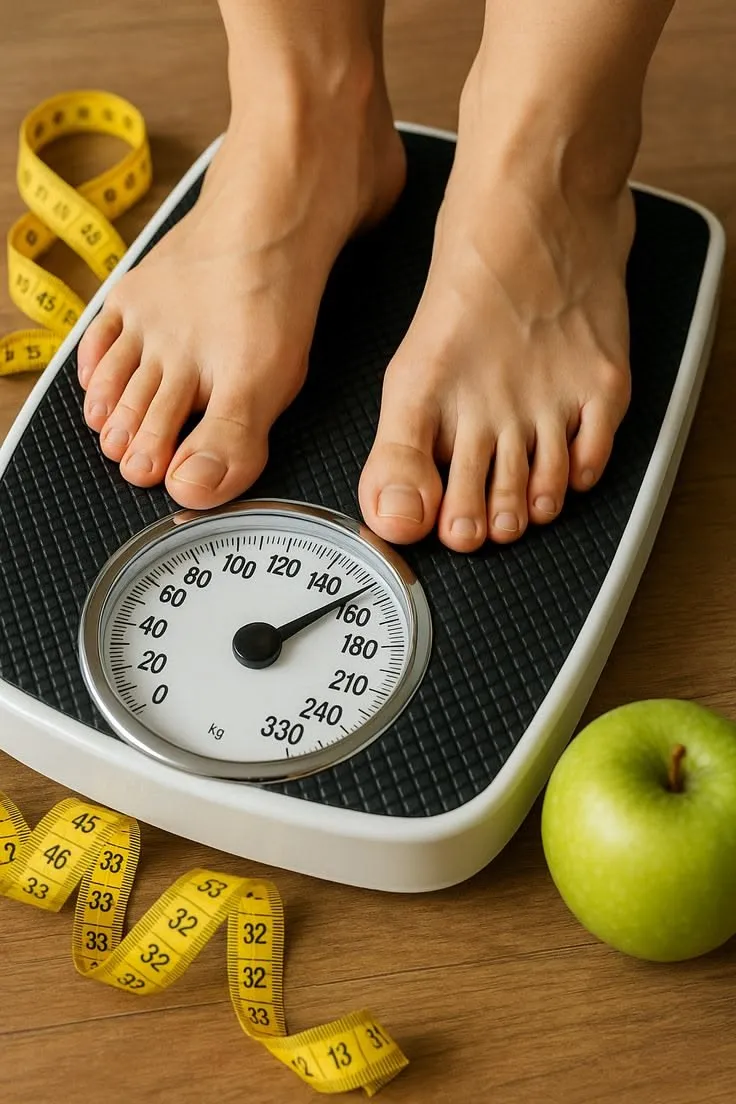
Benefits of Using Waist-to-Height Ratio
One of the biggest advantages of waist-to-height ratio is its simplicity. It does not require expensive equipment or complicated calculations.
It can be easily measured in homes, healthcare centers, and community health programs.
Another advantage is that it directly considers abdominal fat, which is strongly linked with metabolic health risks.
The measurement is also useful across different age groups and can provide a quick indication of whether a person should pay closer attention to their health habits.
How Waist-to-Height Ratio Is Measured
The measurement process is straightforward. A person’s waist circumference is measured, usually around the middle area of the body, and then compared with their height.
The resulting ratio helps estimate whether abdominal fat levels may be associated with increased health risks.
Healthcare professionals consider this measurement along with other factors such as age, lifestyle, medical history, blood pressure, and blood sugar levels before making health recommendations.
It is important to remember that no single measurement can fully describe a person’s health condition.
Can Waist-to-Height Ratio Completely Replace BMI?
Experts generally view waist-to-height ratio as a valuable addition rather than a complete replacement for BMI.
BMI remains useful because it provides a simple overview of weight status and is widely used in healthcare systems and research.
However, combining BMI with waist-to-height ratio can provide a more complete understanding of health risks.
A person’s overall health depends on multiple factors, including body composition, physical activity, diet, genetics, and existing medical conditions.
A combined approach allows healthcare professionals to make better assessments and provide more personalized advice.
Importance of Lifestyle Changes in Managing Obesity Risk
Regardless of which measurement is used, maintaining a healthy lifestyle remains the most important factor in preventing obesity-related diseases.
Regular physical activity, balanced nutrition, adequate sleep, stress management, and avoiding excessive consumption of unhealthy foods can support better health.
Small lifestyle changes, such as increasing daily movement, choosing nutrient-rich foods, and reducing sedentary time, can have significant long-term benefits.
Health measurements are valuable because they help identify risks early, but prevention depends on consistent healthy habits.
The Future of Obesity Screening in India
The growing focus on waist-to-height ratio represents a broader change in how health professionals understand obesity.
Modern approaches are moving beyond simply measuring body weight and focusing more on overall metabolic health.
As research continues, healthcare systems may increasingly use multiple indicators to identify health risks more accurately.
Better screening methods can help detect problems earlier and support preventive healthcare strategies.
Conclusion
The debate over whether waist-to-height ratio can replace BMI highlights an important change in obesity assessment. While BMI has been a useful tool for many years, it does not provide complete information about fat distribution and metabolic risk.
The increasing focus on waist-to-height ratio reflects scientific evidence showing that where fat is stored can be just as important as how much a person weighs.
For India, where obesity-related health concerns are rising, using more accurate screening methods can help identify risks earlier and encourage healthier lifestyles. Rather than depending on a single measurement, a combination of tools can provide a clearer understanding of an individual’s health and support better prevention strategies.
 Martin