
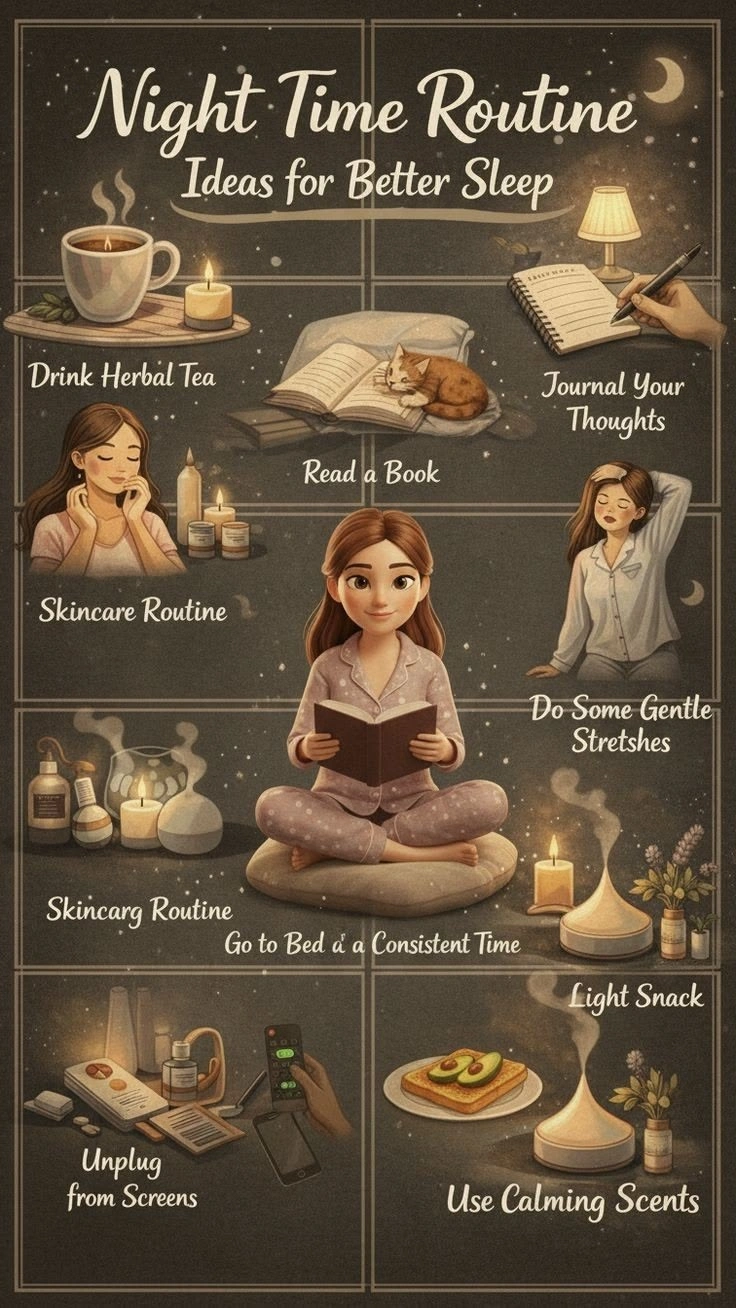
Quality sleep is one of the most powerful pillars of good health, yet it remains elusive for millions of people worldwide. In our always-connected, high-stress environment, achieving restful sleep naturally has become both a challenge and a priority. The good news is that significant improvements in sleep quality can often be achieved through simple, evidence-based lifestyle adjustments that require no medication or expensive gadgets. These natural strategies address the root causes of poor sleep and promote sustainable habits that lead to deeper, more restorative rest night after night.
Establish a Consistent Sleep Schedule
One of the most effective ways to improve sleep is maintaining a regular sleep-wake cycle. Going to bed and waking up at the same time every day — even on weekends — helps regulate your body’s internal clock, known as the circadian rhythm. This consistency signals to your body when it’s time to wind down and when it’s time to become alert.
How to Implement It:
-
Choose a realistic bedtime that allows for 7–9 hours of sleep.
-
Set a fixed wake-up time and stick to it, using an alarm if necessary.
-
Avoid sleeping in excessively on weekends, as it can disrupt your rhythm for the following week.
-
Gradually adjust your schedule by 15–30 minutes if needed, rather than making drastic changes.
Consistent timing helps your body naturally produce melatonin at the right hours, making it easier to fall asleep and wake up refreshed.
Create a Sleep-Friendly Environment
Your bedroom should be a sanctuary dedicated to rest. A cool, dark, and quiet environment promotes faster sleep onset and better sleep quality.
Practical Adjustments:
-
Keep the room temperature between 16–18°C (60–65°F), as a slight drop in body temperature signals sleep.
-
Use blackout curtains, an eye mask, or earplugs to minimize light and noise disturbances.
-
Invest in a comfortable mattress and pillows that support proper spinal alignment.
-
Reserve your bed for sleep and intimacy only — avoid working, eating, or watching television in bed.
A well-optimized sleep environment reduces interruptions and helps your brain associate the bedroom with rest.
Optimize Your Evening Routine
What you do in the hours leading up to bedtime significantly impacts sleep quality. Developing a calming pre-sleep ritual tells your body it’s time to unwind.
Effective Habits:
-
Dim the lights and avoid bright screens at least one hour before bed, as blue light suppresses melatonin production.
-
Engage in relaxing activities such as reading a physical book, gentle stretching, journaling, or listening to soft music.
-
Take a warm bath or shower 1–2 hours before bed — the subsequent drop in body temperature promotes drowsiness.
-
Practice deep breathing or progressive muscle relaxation to release physical tension.
Avoid stimulating activities like intense exercise, heavy discussions, or stressful work close to bedtime.
Watch Your Diet and Hydration
Food and drink choices play a major role in sleep patterns. Heavy meals, caffeine, and alcohol can all interfere with restful sleep.
Smart Dietary Choices:
-
Avoid large meals, spicy foods, and excessive liquids within 2–3 hours of bedtime to prevent discomfort and nighttime bathroom trips.
-
Limit caffeine after 2 PM, as its effects can last up to 8 hours.
-
Reduce alcohol consumption in the evening — while it may help you fall asleep initially, it often fragments sleep later.
-
Consider soothing options like chamomile tea, warm milk, or tart cherry juice, which contain natural compounds that support relaxation.
A light, balanced snack combining protein and complex carbohydrates (such as yogurt with banana) can help stabilize blood sugar overnight.
Incorporate Daily Movement and Sunlight
Regular physical activity and natural light exposure are powerful regulators of sleep.
Daily Practices:
-
Aim for at least 30 minutes of moderate exercise most days, but finish intense workouts at least 3 hours before bed.
-
Get bright natural light exposure in the morning — even 10–15 minutes outdoors helps reset your circadian rhythm.
-
Spend time in nature during the day to reduce stress and improve nighttime sleep quality.
Exercise promotes deeper sleep stages, while morning sunlight helps align your internal clock with the natural day-night cycle.

Manage Stress and Mental Load
Mental restlessness is a common barrier to good sleep. Simple techniques can quiet the mind effectively.
Relaxation Methods:
-
Practice mindfulness meditation or gratitude journaling before bed.
-
Write down worries or tomorrow’s to-do list to clear mental clutter.
-
Use progressive muscle relaxation — tensing and releasing muscle groups from toes to head.
-
Try the 4-7-8 breathing technique: inhale for 4 seconds, hold for 7, exhale for 8.
These practices reduce cortisol levels and activate the body’s relaxation response.
Additional Natural Sleep Enhancers
Certain natural aids can complement lifestyle changes:
-
Magnesium-rich foods (leafy greens, nuts, seeds) support muscle relaxation and sleep regulation.
-
Lavender essential oil or herbal teas like chamomile can create a calming atmosphere.
-
Maintain a cool bedroom and use breathable bedding materials.
Building Long-Term Sleep Success
Improving sleep naturally requires patience and consistency. Track your sleep for two weeks using a simple journal to identify patterns and measure progress. Focus on progress rather than perfection — occasional poor nights are normal and should not discourage you.
The benefits of better sleep extend far beyond feeling rested. Quality sleep enhances immune function, emotional regulation, cognitive performance, and even weight management. It reduces the risk of chronic conditions like heart disease, diabetes, and depression while improving overall quality of life.
By implementing these easy, natural strategies, most people notice improvements within 1–2 weeks, with more significant changes appearing over 4–6 weeks of consistent practice. Small daily adjustments compound into transformative results for both physical vitality and mental wellbeing.
Start tonight by choosing just two or three tips from this guide. Create a simple bedtime routine and protect your sleep time as you would any important appointment. Your body and mind will thank you with renewed energy, sharper focus, and greater resilience. Better sleep is not a luxury — it is a fundamental requirement for a healthy, fulfilling life. Make it a priority, and enjoy the difference it makes every single day.
Read more – trendiopr.com
 Martin