
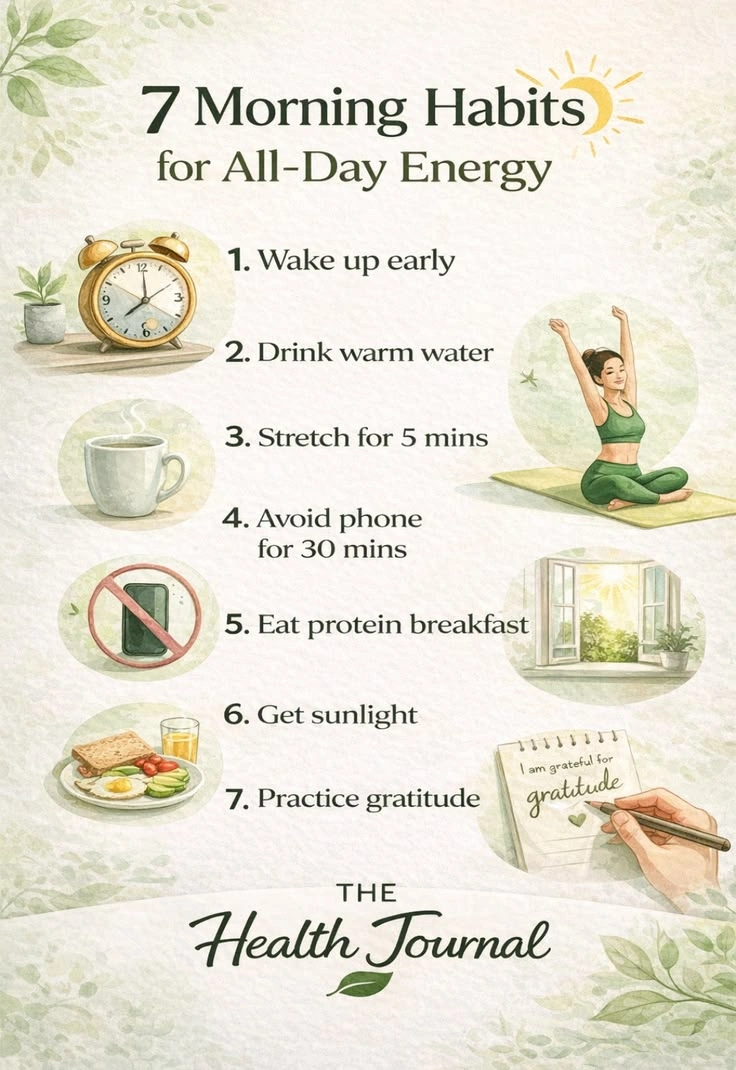
In an era where wellness emphasizes sustainable, science-aligned habits over fleeting trends, a thoughtfully designed morning routine stands as one of the most powerful tools for enhancing daily energy, mental clarity, and long-term health. As we navigate 2026, with its focus on circadian rhythm optimization, personalized self-care, and balanced living, establishing consistent morning practices can profoundly influence metabolism, mood, immune function, and productivity. Far from rigid biohacking extremes, this approach integrates evidence-based steps that fit real lives, delivering compounding benefits over time.
The foundation of any effective routine begins the night before. Consistent sleep schedules—aiming for 7-9 hours—regulate the body’s internal clock, supporting hormone balance and cognitive performance. Disruptions in sleep timing link to increased stress, poorer mood, and diminished physical output. Waking at the same time daily, even on weekends, stabilizes circadian rhythms, reducing grogginess and enhancing overall resilience.
Step 1: Wake with Purpose and Hydrate Immediately
Rise at a consistent hour that aligns with natural light cycles, ideally before or with dawn when possible. Early rising correlates with improved creativity, focus, and memory by syncing with biological peaks in alertness. Upon waking, resist the snooze button, as it fragments sleep cycles and increases fatigue. Instead, drink 16-20 ounces of water right away. Overnight dehydration affects focus, mood, and metabolism; rehydrating kickstarts digestion, cognitive function, and energy levels. For added benefit, infuse with lemon or electrolytes if needed, but plain water suffices for most. Delay coffee for 60-90 minutes to allow natural cortisol rhythms to peak without interference.
Step 2: Embrace Natural Light Exposure
Within the first 10-30 minutes of waking, seek bright natural sunlight for 5-15 minutes. Morning light suppresses melatonin (the sleep hormone), boosts serotonin (which supports mood and converts to melatonin at night for better sleep), and resets the circadian clock. This simple act improves alertness, regulates sleep quality, and enhances vitamin D synthesis, which supports immunity and bone health. On cloudy days or in winter, bright indoor lights or a light therapy box serve as effective proxies. Combine this with a brief outdoor moment—stepping onto a balcony or walking around the block—without devices. This unstimulated time activates brain regions tied to introspection and creative problem-solving.
Step 3: Incorporate Mindful Movement
Gentle movement follows naturally. A 10-30 minute session of light exercise—such as walking, yoga, stretching, or bodyweight exercises—elevates endorphins, serotonin, and norepinephrine, improving mood and reducing anxiety. Morning activity, particularly before breakfast, enhances fat metabolism, insulin sensitivity, and cardiovascular health while promoting better sleep later. Research indicates consistent morning movers tend to remain more active throughout the day. For strength goals, resistance training in the morning may offer slight advantages. Start small if new to this: even five minutes of dynamic stretching or a brisk walk builds momentum without overwhelm. In 2026’s wellness landscape, micro-workouts and mobility-focused practices gain traction for their accessibility and metabolic benefits.
Step 4: Practice Mindfulness or Meditation
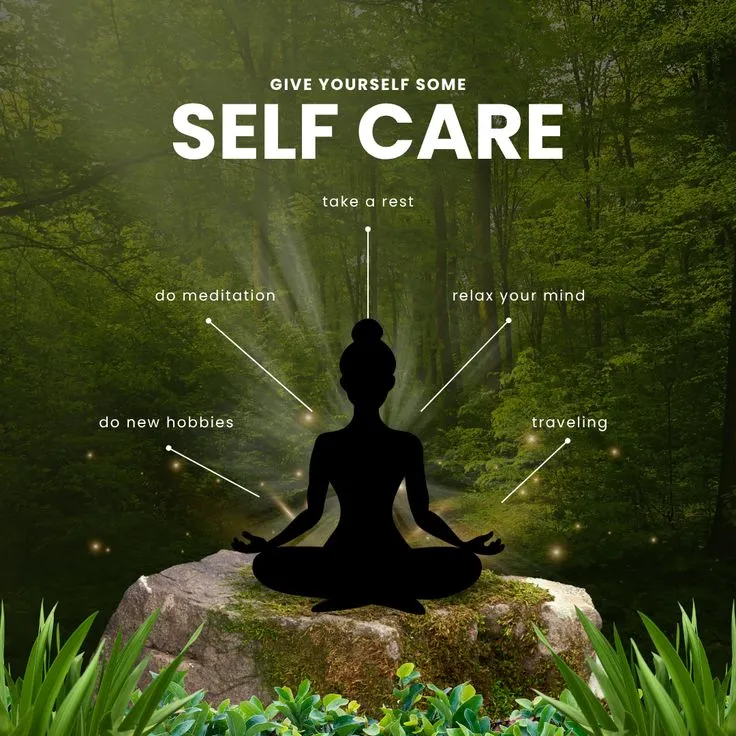
Dedicate 5-10 minutes to mindfulness. This could involve breathwork (such as 4-7-8 breathing: inhale for 4, hold for 7, exhale for 8), meditation, or gratitude journaling. These practices lower stress hormones, enhance emotional regulation, boost immune function, and foster a positive mindset that carries through the day. Setting an intention or noting three things you’re grateful for builds resilience and reduces procrastination. In fast-paced modern life, these moments create mental space, countering the overstimulation of constant connectivity. Many find combining this with sunlight or gentle movement multiplies the calming effects.
Step 5: Consider Cold Exposure
For those seeking an invigorating boost, end your shower with 30-60 seconds of cold water. Cold exposure triggers endorphin and dopamine release, heightening alertness, elevating mood, and supporting recovery. It activates the parasympathetic nervous system post-stress, promoting calm focus. Beginners can start with a brief cold blast at the end of a normal shower. This practice aligns with 2026 trends emphasizing natural resilience-building techniques over comfort-only approaches.
Step 6: Fuel with a Nutrient-Dense Breakfast
Eat a balanced, high-protein meal within 30-60 minutes of waking or after movement. Aim for 20-30 grams of protein alongside fiber and healthy fats—think eggs with vegetables and avocado, Greek yogurt with berries and nuts, or a smoothie with protein powder, greens, and seeds. This stabilizes blood sugar, curbs mid-morning cravings, supports muscle maintenance, and sustains energy without crashes. High-protein breakfasts link to better blood pressure, cholesterol profiles, and weight management. Avoid heavy carbs alone, which can lead to energy dips. In line with current nutritional understanding, prioritize whole foods that fuel both body and brain.
Step 7: Plan and Minimize Distractions
Spend a few minutes reviewing your day: prioritize tasks, noting the most challenging ones for peak morning cognitive windows. Tackling demanding work early leverages natural mental sharpness. Crucially, delay phone use and social media for at least 30-60 minutes. Morning screen exposure spikes dopamine unnaturally, increases stress, and fragments attention. A device-free start preserves mental clarity and presence. Many successful routines incorporate analog tools like notebooks for planning.
Customization and Long-Term Success
This routine is not one-size-fits-all. Personalize based on chronotype (early birds vs. night owls), lifestyle, and goals. Parents or shift workers might shorten segments or adapt timing. Track how you feel after two to four weeks—energy levels, mood, sleep quality—and refine accordingly. Consistency matters more than perfection; even partial adoption yields benefits like reduced stress, sharper focus, better metabolic health, and enhanced immunity.
In 2026, wellness trends highlight integration: combining routines with tech abstinence periods, smart circadian lighting for evenings, and recovery-focused habits. Avoid all-or-nothing mindsets that lead to burnout. Small, sustainable changes compound—improved physical activity supports brain health, better nutrition aids emotional stability, and mindful practices build psychological resilience.
The true power lies in how these habits create a positive feedback loop. Better mornings lead to energized days, restorative nights, and greater capacity for life’s demands. Over months, practitioners often report lower anxiety, sustained vitality, improved productivity, and a deeper sense of well-being. As health science continues affirming the interconnectedness of sleep, movement, nutrition, and mindset, investing in your morning becomes an investment in lifelong vitality.
Start tomorrow with one or two elements—perhaps hydration and sunlight—and build gradually. In our demanding world, reclaiming the first hour sets a tone of empowerment and intention. A healthy morning routine is not merely a checklist but a daily ritual that honors your body’s natural rhythms, unlocking greater health, energy, and joy in 2026 and beyond.
Read more – top24headline.com
 Streamline