
The Chinese women’s cricket team suffered a highly unusual and disappointing exit from the 2026 Asian Games. Their campaign ended before a single delivery was bowled in the opening quarter-final against Bangladesh. Persistent wet weather at the venue forced the complete abandonment of the match, and tournament regulations then decided the outcome.
Persistent Rain Forces Complete Washout
The women’s T20 quarter-final was scheduled at Kōrogi Sports Park in Nisshin, on the outskirts of Nagoya in Japan’s Aichi Prefecture. Heavy rain and wet conditions had affected the ground in the days leading up to the fixture. On the morning of the match, the outfield remained unfit for play.
Umpires carried out multiple inspections after the rain eased. Despite their efforts, the surface did not dry sufficiently. Officials eventually abandoned the match without the toss taking place and without a single ball being bowled. Inclement weather had been a recurring feature at the venue, and on this occasion it proved decisive.
The result left China eliminated from the competition at the first hurdle of the knockout stage. For a side making only its third appearance in Asian Games cricket since 2010, the exit without any on-field action was particularly painful.
How Tournament Rules Decided the Outcome
Asian Games cricket follows specific playing conditions for situations when matches cannot be completed. Under the relevant regulation governing washed-out fixtures, the higher-ranked team advances when a game is abandoned without a result.
Bangladesh held a clear advantage in the ICC Women’s T20 International rankings. At the time of the tournament they sat at tenth place worldwide, while China were ranked 36th. This ranking differential meant Bangladesh progressed to the semi-finals by virtue of their superior seeding. China, despite qualifying for the event, were eliminated.
The rule exists to ensure the competition can continue on schedule in weather-affected conditions. In a straight knockout tournament with a tight calendar, such provisions prevent prolonged delays and allow the remaining teams to prepare for subsequent stages.
Context of the 2026 Women’s Cricket Competition
The women’s cricket event at the 2026 Asian Games featured eight teams and was structured as a pure knockout competition from the quarter-final stage onward. Full Member nations received automatic qualification, while other sides earned their places through a regional qualifier. China had secured one of the available spots via the qualifier held earlier in the year.
Matches were played in the T20 format at the dedicated venue in Nisshin. Bangladesh, as one of the stronger Asian sides with previous medal success in the competition, entered as clear favourites against China. Historical records show Bangladesh have consistently performed well at the Asian Games, collecting silver medals in earlier editions and a bronze more recently.
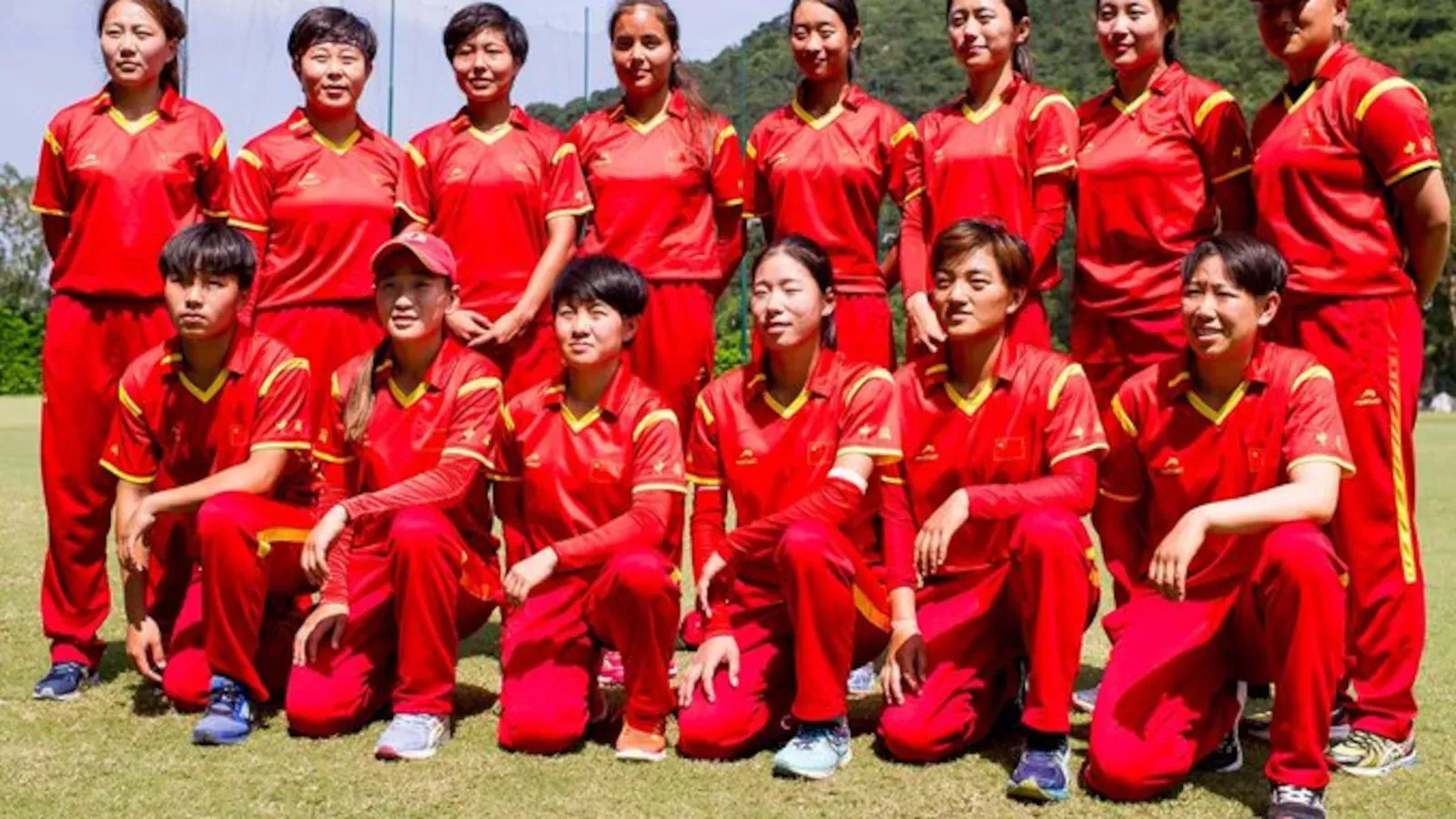
China’s previous appearances had seen them reach the later stages, including a fourth-place finish in one earlier tournament. This time, however, they never got the chance to test themselves against higher-ranked opposition on the field.
Impact on Both Teams
For Bangladesh, the advancement offered a valuable rest and the opportunity to prepare for the semi-finals. They were set to face the winner of another quarter-final, with India among the teams still in contention on that side of the draw. The unexpected progression without having to play allowed their squad additional recovery time in what is a short and intense multi-sport Games schedule.
For China, the outcome represented a missed opportunity. Participating in a multi-sport event of this scale provides valuable experience, exposure, and development for emerging cricket nations. Leaving without having played a competitive match limited the learning and competitive benefits the team could take home. The situation also highlighted the vulnerability of outdoor cricket to weather, especially at venues where ground conditions can be affected by prolonged rainfall.
Broader Significance for Asian Games Cricket
Cricket’s inclusion in the Asian Games has grown in importance as the sport expands across the continent. The T20 format suits the multi-sport environment, offering relatively short matches that fit into a crowded schedule. However, the dependence on weather remains a challenge, particularly at outdoor venues.
The 2026 edition continued the pattern of using rankings or seeding as a tie-breaker or progression method when results cannot be obtained on the field. Similar ranking-based decisions have occurred in previous Asian Games cricket events when weather intervened in decisive matches. While such outcomes can feel unsatisfactory for the lower-ranked side, they provide a clear, pre-agreed mechanism that prioritises the continuity of the tournament.
Ground staff and officials faced a difficult task in trying to prepare a playable surface. Multiple inspections demonstrated efforts to salvage the fixture, but safety and fairness ultimately required the abandonment. Players from both sides accepted the decision, with the teams exchanging handshakes after the official confirmation.
Looking Ahead
Bangladesh moved on to the semi-final stage with the knowledge that they still needed to perform when matches could be completed. Other quarter-finals were scheduled around the same period, with Pakistan facing Thailand and further ties involving India, Japan, Sri Lanka and Malaysia. Weather remained a potential factor for the remainder of the short tournament window.
For China, the focus shifts to future development and preparation for subsequent international opportunities. The experience of reaching the Asian Games knockout stage, even without playing, forms part of the broader growth of women’s cricket in the region. Consistent participation and improved rankings will be key if emerging teams hope to avoid similar ranking-based exits in the future.
The episode serves as a reminder of cricket’s unique relationship with the elements. In a competition designed to showcase the best of Asian cricket within the Olympic-style framework of the Asian Games, weather can still rewrite the script before a ball is bowled. On this occasion, it brought an abrupt and unwelcome end to China’s campaign while opening a pathway for Bangladesh to continue their pursuit of a medal.
Read more – sevendollarmiracle.com