
Heavy rains and flooding have once again tested Kerala’s disaster response systems. As rivers rose, landslides occurred in vulnerable districts, and thousands sought shelter in relief camps, attention has also turned to the public posture of Chief Minister V.D. Satheesan. Opposition parties have criticised what they describe as insufficient visible leadership, pointing to the Chief Minister’s participation in certain public and private engagements while the state grappled with the unfolding crisis.
The Flood Situation and Official Response
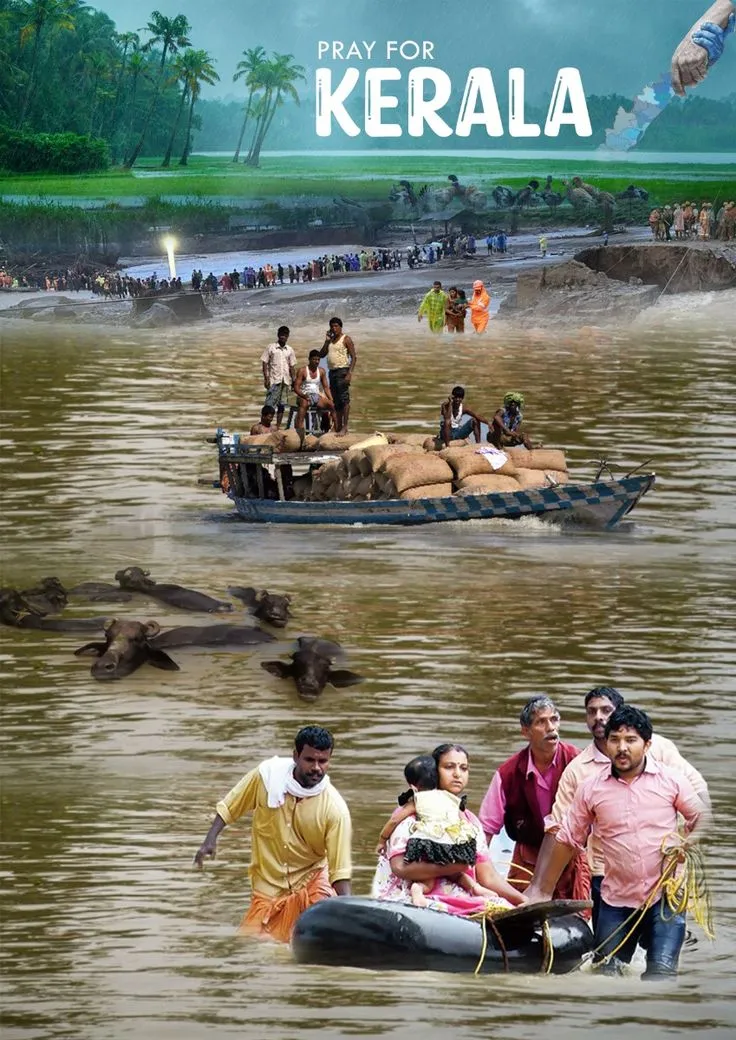
Parts of Kerala experienced intense rainfall in early August, with some areas recording extreme precipitation that triggered flooding and related incidents. Official figures placed the death toll in the mid-to-high teens, with several people reported missing. Hundreds of relief camps were opened, sheltering more than ten thousand people at the peak of the disruption. Rescue teams from the Fire and Rescue Services, National Disaster Response Force, and other agencies were deployed in the worst-affected districts, including Pathanamthitta and Kottayam.
The Chief Minister chaired review meetings with district collectors, ministers, and senior officials. His office stated that situation updates were shared with the media at regular intervals and that the Revenue Minister conducted briefings. The government also announced immediate assistance measures, including support for families of the deceased and aid for those returning to flooded homes. Authorities maintained that major dams remained well below critical levels and rejected claims of large-scale releases that could worsen flooding.
Controversies Over Public Appearances
Criticism intensified around three specific episodes. Reports emerged that the Chief Minister used a government-leased helicopter for travel between Thiruvananthapuram and Kochi. The aircraft, hired under a monthly contract primarily intended for emergency and essential use, became the focus of opposition charges that it was employed for personal purposes, including a visit to an ailing relative. Weather disruptions forced the flight to return and resume later, drawing further attention to the journey.
On another day, the Chief Minister attended a lunch and reception at a private residence in Ponnani associated with a leader of the Muslim Youth League, an ally of the ruling front. Around the same period he inaugurated a jewellery showroom in Kochi. Opposition leaders argued that these appearances created an impression of detachment at a time when many citizens faced inundation, displacement, and loss.
The Chief Minister’s Defence
Satheesan rejected the characterisation of his actions as neglectful. He stated that he had been monitoring the flood situation from the early morning hours and had remained in contact with key officials throughout. Regarding the helicopter, he maintained that the trip was undertaken to meet an investment delegation that had limited time in the state, that the monthly lease already covered a fixed number of flying hours, and that no additional public expenditure was incurred. He described attempts to politicise a meal as unfortunate and noted that situation updates continued to be issued regularly even while he attended previously scheduled engagements.
Supporting voices within the ruling front argued that a Chief Minister cannot suspend all other responsibilities during a disaster and that advance commitments, including those related to investment, retain importance for the state’s longer-term interests. They also pointed to the existing lease arrangement for the helicopter as evidence that the travel did not impose fresh costs.
Opposition Critique and Political Context
Leaders of the Left Democratic Front, particularly the CPI(M), accused the Chief Minister of failing to project the kind of continuous, hands-on presence that previous administrations had demonstrated during major crises. They alleged delayed coordination meetings, inadequate early evacuation in some high-rainfall districts, and a broader lack of urgency. Comparisons were drawn with earlier disaster responses in the state, and critics argued that the optics of private functions and commercial inaugurations undermined public confidence.
The debate has also revived older arguments about the hiring of the helicopter itself. When the previous government had entered the lease, the then opposition had questioned the expenditure. The current exchange reflects the reversal of roles and the intensity of competitive politics in Kerala, where disaster management frequently becomes a site of political contestation.
Leadership Optics in Times of Crisis
Natural disasters place unusual demands on political leadership. Citizens look for both effective administrative action and a visible sense that those in authority share the gravity of the moment. In Kerala’s recent history, strong public communication and constant presence at the centre of relief coordination have become informal benchmarks against which responses are measured. When a Chief Minister continues with certain scheduled appearances, even if administrative machinery continues to function, the contrast can generate criticism regardless of the practical justifications offered.
At the same time, governments must balance immediate emergency duties with other responsibilities, including economic outreach. The difficulty lies in demonstrating that the former remains the clear priority. The controversies surrounding the helicopter journey, the Ponnani lunch, and the jewellery showroom inauguration have focused public discussion as much on symbolism as on the operational details of rescue and relief.
Looking Ahead
As rainfall intensity has moderated in several districts and relief operations continue, the political argument is likely to persist. The government will be judged on the speed of rehabilitation, the adequacy of compensation, and the lessons incorporated into future preparedness. The opposition will continue to press questions of accountability and leadership style. For citizens affected by the floods, the more immediate concerns remain the restoration of homes, livelihoods, and basic services.
The episode illustrates how, in a disaster-prone state with a highly engaged public sphere, the actions and silences of those at the top are scrutinised with particular intensity. Whether the Chief Minister’s choices during these days are ultimately viewed as pragmatic multitasking or as a misreading of public expectation will depend on both the effectiveness of the ongoing relief effort and the broader political narrative that takes shape in the weeks ahead.
Read more – futuramanews.com