
In today’s fast-paced world, maintaining a balance between mental and physical health has become more important than ever. Research consistently shows that mental and physical well-being are deeply interconnected. Poor mental health can increase the risk of physical illnesses, while chronic physical conditions can negatively impact emotional and psychological stability. Achieving a healthy balance is not about perfection; it is about creating sustainable habits that support both the mind and body over time.
A balanced lifestyle enhances productivity, strengthens immunity, improves emotional resilience, and promotes long-term quality of life. Below are key strategies that help individuals maintain harmony between mental and physical health.
1. Understanding the Mind-Body Connection
The mind and body function as a unified system rather than separate entities. Scientific evidence shows that stress, anxiety, and depression can influence heart health, immune response, digestion, and hormonal balance. Similarly, regular physical activity positively affects brain chemistry by increasing the release of endorphins and serotonin, which improve mood and reduce stress.
Chronic stress can elevate cortisol levels, leading to inflammation, sleep disturbances, and weakened immunity. On the other hand, physical exercise supports neuroplasticity and cognitive function. Recognizing this connection encourages individuals to adopt habits that simultaneously nurture mental clarity and physical strength, rather than focusing on one aspect alone.
2. Regular Physical Activity for Mental Clarity
Engaging in consistent physical activity is one of the most effective strategies for balancing overall health. Health organizations recommend at least 150 minutes of moderate-intensity exercise per week for adults. Activities such as brisk walking, cycling, swimming, or yoga can significantly reduce stress and improve cardiovascular health.
Exercise stimulates the release of endorphins, often referred to as “feel-good” hormones, which help combat anxiety and depressive symptoms. It also enhances sleep quality and boosts energy levels. Even short daily workouts improve concentration and emotional stability. Establishing a routine that includes both aerobic and strength-training exercises supports muscle health while fostering psychological resilience.
3. Nutrition as the Foundation of Well-Being
Balanced nutrition plays a crucial role in both physical vitality and mental health. Diets rich in fruits, vegetables, whole grains, lean proteins, and healthy fats provide essential nutrients that support brain function and body systems. Nutrients such as omega-3 fatty acids, B vitamins, iron, and magnesium are linked to mood regulation and cognitive performance.
Excessive consumption of processed foods, refined sugars, and unhealthy fats may contribute to fatigue and mood fluctuations. Hydration is equally important, as even mild dehydration can affect concentration and energy levels. Adopting mindful eating habits and maintaining consistent meal patterns helps stabilize blood sugar levels, which in turn supports emotional balance and physical endurance.
4. Quality Sleep and Recovery
Sleep is a vital pillar of health that directly influences emotional stability and physical restoration. Adults generally require seven to nine hours of quality sleep per night for optimal functioning. During sleep, the body repairs tissues, regulates hormones, and consolidates memories.
Lack of sleep is associated with increased stress, weakened immunity, weight gain, and difficulty concentrating. Establishing a consistent sleep schedule, limiting screen time before bed, and creating a calm sleep environment can significantly improve rest quality. Proper recovery not only enhances physical performance but also strengthens emotional resilience and decision-making abilities.
5. Stress Management and Mindfulness Practices
Stress is a natural response to challenges, but chronic stress can disrupt both mental and physical health. Effective stress management strategies are essential for maintaining balance. Techniques such as meditation, deep breathing exercises, progressive muscle relaxation, and journaling have been shown to reduce anxiety and improve emotional regulation.
Mindfulness practices encourage individuals to focus on the present moment, reducing overthinking and emotional reactivity. Even a few minutes of daily mindfulness can lower blood pressure and improve concentration. By developing coping strategies and setting realistic boundaries, individuals can prevent stress from escalating into more serious health concerns.
6. Building Strong Social Connections
Human beings are inherently social, and meaningful relationships significantly impact mental and physical well-being. Studies indicate that strong social connections are associated with lower levels of stress, improved immune function, and longer life expectancy.
Regular interaction with family, friends, or community groups fosters emotional support and reduces feelings of loneliness. Sharing experiences and expressing emotions in a supportive environment enhances psychological resilience. Participating in group activities, volunteering, or simply maintaining regular communication can strengthen bonds that protect against mental health challenges.
7. Routine Health Checkups and Preventive Care
Preventive healthcare is an essential component of maintaining balance. Regular medical checkups help detect potential health issues early and provide guidance for managing chronic conditions. Monitoring blood pressure, blood sugar, cholesterol levels, and body weight contributes to long-term physical wellness.
Mental health check-ins are equally important. Consulting professionals when experiencing prolonged anxiety, mood changes, or emotional distress ensures timely support. Early intervention reduces complications and promotes overall stability. Proactive healthcare habits empower individuals to take control of their well-being rather than reacting to crises.
8. Limiting Harmful Habits
Avoiding or minimizing harmful behaviors such as smoking, excessive alcohol consumption, and substance misuse is critical for maintaining holistic health. These habits can negatively impact heart health, liver function, cognitive abilities, and emotional stability.
Excessive screen time and digital overload can also contribute to stress and sleep disturbances. Setting boundaries around technology use encourages healthier routines and improved focus. Replacing harmful habits with positive activities—such as exercise, creative hobbies, or outdoor time—supports sustainable physical and mental growth.
9. Setting Realistic Goals and Work-Life Balance
Overcommitment and unrealistic expectations can lead to burnout and chronic stress. Establishing achievable goals and maintaining a healthy work-life balance are essential for long-term wellness. Time management techniques, prioritization, and regular breaks help prevent exhaustion.
Employers and individuals alike benefit from recognizing the importance of rest and flexibility. Allocating time for hobbies, relaxation, and personal development promotes fulfillment beyond professional responsibilities. Balanced goal-setting supports motivation while protecting mental and physical resources.
10. Developing Emotional Intelligence
Emotional intelligence—the ability to recognize, understand, and manage emotions—plays a vital role in maintaining balance. Individuals with strong emotional awareness are better equipped to handle stress, communicate effectively, and maintain healthy relationships.
Practicing self-reflection and empathy enhances interpersonal interactions and reduces conflict. Emotional regulation strategies prevent impulsive reactions and support thoughtful decision-making. Strengthening emotional intelligence contributes to both mental clarity and physical well-being by minimizing stress-related health impacts.
Conclusion
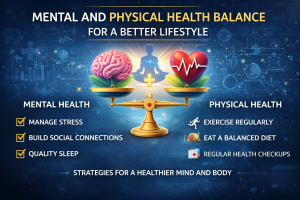
Balancing mental and physical health is a continuous journey that requires intentional choices and consistent habits. The mind-body connection underscores the importance of treating health as a unified system rather than separate components. Regular exercise, balanced nutrition, quality sleep, stress management, social connections, preventive care, and emotional awareness all work together to create a sustainable and fulfilling lifestyle.
By adopting practical strategies and maintaining self-awareness, individuals can build resilience against life’s challenges while enhancing overall vitality. A balanced lifestyle is not achieved overnight, but through steady commitment and mindful living, it becomes a powerful foundation for long-term health, happiness, and success.
 Streamline