
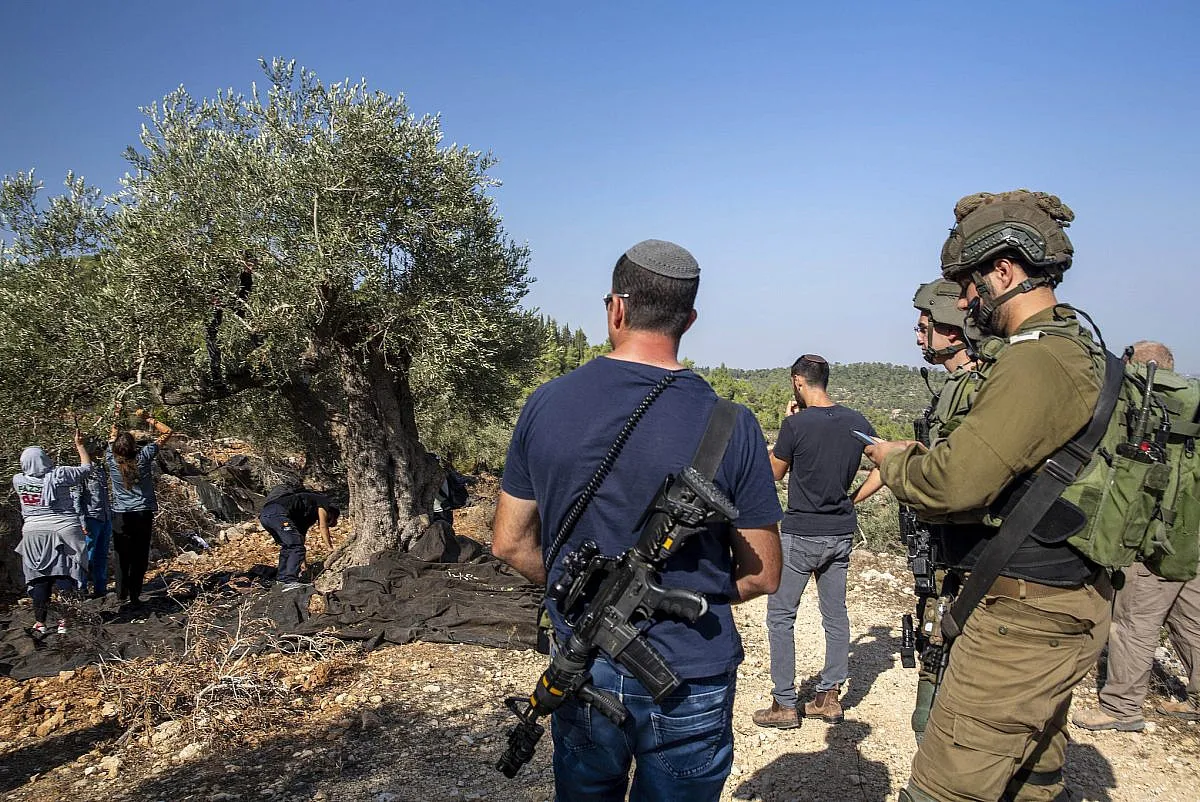
United Nations human rights experts have called on Israel to protect Palestinian farmers in the occupied West Bank as the annual olive harvest begins amid reports of intensified settler violence and access restrictions. In a statement issued on 19 October 2026, the experts stressed that farmers must be able to reach their land safely and work without fear of attack or interference.
The olive harvest holds deep economic, cultural and social importance for many Palestinian communities. Olive trees provide food, income and a connection to the land that can sustain families across generations. When trees are damaged or access is blocked, the losses extend far beyond a single season.
Rising Incidents During the Harvest Season
UN experts highlighted figures from the previous harvest to illustrate the scale of the problem. During the 2025 olive harvest, 178 settler attacks linked to the season were documented across the occupied West Bank. These incidents affected 88 Palestinian towns and villages—the highest number of locations recorded since 2020. More than 6,000 trees and saplings were vandalised, nearly double the figure from 2024 and the highest total in six years.
The experts expressed alarm at the start of the current season, noting that violence, destruction and restrictions continue to intensify year after year. They described the harvest period as one that should allow farmers to work in safety and dignity, rather than becoming another season of fear and loss.
Recent reports from UN humanitarian sources have indicated that attacks affecting the 2026 harvest have already reached high levels in the early weeks, with casualties, injuries and damage to trees recorded. Humanitarian partners have been providing equipment and monitoring access restrictions near settlements and behind the separation barrier.
Military Orders and Access Barriers
In addition to settler violence, the experts raised concerns about Israeli military orders issued in September 2026. These orders directed the removal of vegetation from approximately 339,000 square metres of Palestinian agricultural land in the northern and central West Bank, including areas planted with olive trees in Jenin, Qabatiya and Beit Rima.
According to the experts, the orders permit the uprooting of olive trees and give landowners extremely limited time to remove vegetation or file objections. They also noted a broader pattern of restrictions, including the increasingly frequent denial or non-issuance of “prior coordination” permits required for farmers to access certain plots. A modified military policy has further prevented Palestinians from obtaining permits or harvesting on land classified by Israel as “State land,” even where olive trees have been cultivated for generations.
The experts warned that such measures compound the difficulties farmers already face from violence and intimidation. Reports of olive groves being uprooted by military bulldozers near Ramallah shortly before the harvest added to their concerns.
The Broader Impact on Livelihoods and Rights
Olive cultivation is central to food security and local economies in many West Bank communities. Trees take years to mature, and their destruction undermines not only immediate income but also long-term food systems, cultural practices and the right to food. The experts linked these harms to wider questions of food sovereignty and the ability of communities to sustain themselves on their land.
They emphasised that Israel, as the occupying power, bears responsibility under international law to protect the civilian population and ensure safe access to agricultural land. The statement called on Israeli forces to protect Palestinian farmers from settler attacks and to refrain from interfering with their access to land.
The experts further recalled Israel’s broader legal obligations, including the need to end the occupation, cease new settlement activities, evacuate settlers from the occupied Palestinian territory, and provide full reparation for damage caused, including the return of land and the ability of displaced Palestinians to return to their homes.
Independent Experts and Their Mandate
The statement was issued by seven independent UN human rights experts, including the Special Rapporteur on the right to food and the Special Rapporteur on the situation of human rights in the Palestinian territories occupied since 1967. These special procedures mandate holders operate under the UN Human Rights Council and report on specific themes or country situations. Their statements carry no enforcement power but serve to highlight patterns, remind states of legal obligations, and urge protective action.
The experts also called on the international community to exert maximum pressure to protect Palestinian civilians, halt and reverse expanding annexation policies and practices, and ensure accountability for long-standing violations of Palestinian rights under international law.
A Seasonal Flashpoint with Lasting Consequences
The olive harvest has long been a period of heightened tension in the West Bank. Farmers must often navigate checkpoints, coordination requirements and the proximity of settlements to reach their groves. When violence or administrative barriers prevent them from harvesting, families lose a critical source of income and food. The cumulative effect of repeated seasons of restricted access and tree destruction erodes livelihoods and deepens insecurity.
By issuing their call at the outset of the 2026 harvest, the UN experts sought to draw attention to both the immediate risks facing farmers and the structural conditions that make each season more precarious than the last. Their message centres on the basic requirement that people be able to work their land in safety—an essential element of the right to food, cultural rights and the broader protection of civilians under occupation.
Read more – Bestmenuideas.com
 Martin