
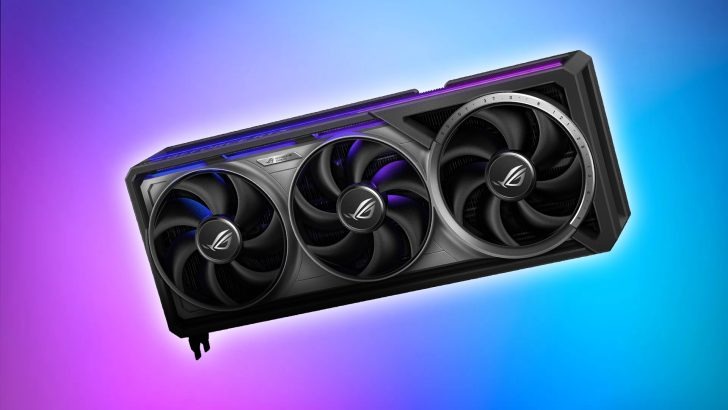
Unexpected GPU Price Increase
The Nvidia GeForce RTX 50 series prices rise has quickly become one of the biggest talking points among PC gamers and hardware enthusiasts. Just when many buyers believed graphics card prices had finally settled after years of shortages, another wave of higher pricing appeared across different regions. Some models jumped only a little, while premium editions became noticeably more expensive. That difference may not sound dramatic at first, but once taxes, shipping, and retailer margins get added, the final bill often surprises buyers much more than expected.
Many people had planned complete gaming PC upgrades around earlier launch prices. Those budgets suddenly look outdated now. Someone who saved for months may discover that the graphics card alone costs far beyond the original estimate. That creates frustration because the rest of the system, including processors and memory, has not increased at the same pace in many cases.
Several Reasons Behind Higher Costs
There is rarely one simple explanation when graphics card prices move upward. Manufacturing expenses continue changing throughout the year. Advanced semiconductor production remains expensive because modern GPUs require cutting-edge fabrication processes that cost manufacturers significantly more than older generations. Even a small increase during production eventually reaches customers purchasing finished graphics cards.
Supply chain expenses also continue affecting electronics worldwide. Transportation, packaging materials, insurance, and warehouse operations have all experienced fluctuating costs during recent years. Retailers eventually pass those additional expenses to buyers instead of absorbing every increase themselves. That makes the final shelf price noticeably higher without changing the actual hardware specifications.
Currency exchange rates also play an important role. Regions importing large quantities of computer hardware often experience higher retail prices whenever local currencies weaken against international markets.
Demand Continues Staying Surprisingly Strong
Many expected demand to slow after the initial launch excitement faded. Instead, the RTX 50 family continues attracting gamers, creators, AI developers, and professional users at the same time. That combination creates constant pressure on available inventory.
Artificial intelligence workloads have become another important factor. Powerful graphics cards are no longer purchased only for gaming. Developers, researchers, video editors, and machine learning enthusiasts increasingly compete for the same hardware. When multiple industries chase identical products, retailers gain little incentive to reduce prices quickly.
Gamers often dislike hearing this explanation because they simply want affordable upgrades. Unfortunately, market demand does not separate gaming customers from professional buyers. Everyone enters the same purchasing queue.
Premium Models Face Bigger Changes
Entry-level graphics cards usually receive smaller price adjustments compared with flagship models. High-end editions featuring factory overclocks, advanced cooling systems, RGB lighting, and premium components often experience larger increases because manufacturing them costs more from the beginning.
Board partners also release multiple versions using different cooling designs and custom PCBs. Those premium editions frequently become the first products showing noticeable price jumps. Buyers searching specifically for quiet cooling or maximum overclocking potential may end up paying a considerable premium over Nvidia’s suggested pricing.
Limited availability can further increase costs whenever a specific premium model becomes especially popular among reviewers and enthusiasts.
Retailers React Differently Across Markets
Not every store changes prices at exactly the same time. Some retailers continue selling older inventory purchased before supplier costs increased. Others immediately update listings after receiving fresh stock from distributors.
Regional taxes create another layer of pricing differences. Two customers living in different countries may compare online discussions and become confused because identical graphics cards show completely different retail prices. Shipping costs, import duties, and local market competition influence those final numbers more than many buyers realize.
Online marketplaces also introduce unpredictable pricing. Third-party sellers sometimes raise prices well beyond official retail values whenever demand becomes unusually strong.
Gamers May Delay Their Upgrades
A noticeable percentage of gamers now appear willing to wait instead of purchasing immediately. Existing RTX 30 and RTX 40 series owners often feel their current systems remain capable enough for another year. Delaying upgrades becomes a reasonable financial decision whenever new hardware grows more expensive without matching personal budget expectations.
Some players also reduce spending elsewhere inside their build. They may purchase a slightly cheaper processor, postpone memory upgrades, or reuse an older power supply just to afford the desired graphics card. That balancing act has become increasingly common among DIY PC builders.
Budget-conscious buyers carefully compare frame rates against total system cost before making final purchasing decisions.
Creators Still See Long-Term Value
Professional creators usually evaluate graphics cards differently than gamers. Faster rendering, AI-assisted editing, animation workflows, and 3D production can directly improve productivity. Higher purchase prices may still make financial sense if projects finish earlier and businesses earn more revenue over time.
Video editors handling high-resolution footage appreciate improved encoding performance. Designers benefit from stronger GPU acceleration inside creative software. Developers training AI models also look beyond initial pricing because faster hardware can reduce lengthy workloads.
That practical perspective explains why professional demand remains relatively stable despite rising retail costs.
Competition Could Influence Future Pricing
Competition always shapes the graphics card industry. Whenever rival manufacturers introduce compelling alternatives, pricing pressure naturally increases. Buyers compare gaming performance, power efficiency, software support, and overall value before choosing one ecosystem over another.
If competing graphics cards deliver similar real-world performance at lower prices, retailers may eventually adjust pricing strategies. Promotions, bundled games, cashback offers, and seasonal discounts can also improve value even when official prices remain unchanged.
Holiday sales sometimes produce temporary opportunities for patient shoppers willing to monitor multiple retailers before purchasing.
Smart Buying Strategies Matter More
Buying a graphics card today requires more planning than simply choosing the fastest model available. Comparing prices across multiple stores remains one of the easiest ways to avoid unnecessary spending. Watching for limited-time discounts can save meaningful amounts, especially on premium variants.
Buyers should also calculate the complete upgrade cost instead of focusing only on the graphics card. Some RTX 50 series models may require stronger power supplies or larger PC cases depending on cooling design. Ignoring those extra expenses could stretch the overall budget further than expected.
Reading independent performance reviews before purchasing also helps determine whether the additional cost truly delivers worthwhile gaming improvements.
Should You Buy Now or Wait?
The answer depends largely on personal circumstances rather than market headlines alone. Someone using an aging graphics card that struggles with modern games may still benefit from upgrading immediately. Better frame rates, improved ray tracing, and newer AI-powered technologies could justify the higher investment.
On the other hand, users already enjoying solid performance with relatively recent hardware may gain little from rushing into an expensive purchase. Prices naturally fluctuate over time, and future promotions remain possible. Waiting several months occasionally rewards patient buyers with better deals or improved availability.
Careful planning usually produces better long-term satisfaction than impulsive purchases driven by launch excitement.
Conclusion
The Nvidia GeForce RTX 50 series prices rise reflects a combination of manufacturing costs, strong worldwide demand, supply chain expenses, and changing market conditions rather than a single isolated reason. While these increases create challenges for gamers planning affordable upgrades, they also highlight how valuable modern GPUs have become across gaming, creative work, and artificial intelligence. Buyers should compare prices carefully, evaluate their actual performance needs, and avoid rushing into purchases based solely on fear of future increases. A well-informed decision almost always delivers better value. Stay updated with trusted technology news, monitor retailer discounts regularly, and choose hardware that fits both your performance goals and long-term budget.
Read More :-
 Martin