
Blogging remains one of the most powerful digital marketing strategies in 2026. However, many websites fail to rank well on search engines despite publishing regular content. The problem is not always competition—it is often avoidable blogging mistakes that silently damage search engine rankings. Search engines prioritize high-quality, relevant, user-focused content. When bloggers ignore SEO fundamentals, technical optimization, or user experience, rankings suffer.
Understanding common blogging mistakes is essential for improving visibility, traffic, and credibility. Below are the major errors that negatively impact search engine rankings and practical ways to avoid them.
1. Ignoring Keyword Research
Keyword research is the foundation of search engine optimization. Many bloggers write content based solely on assumptions rather than analyzing what users are actually searching for. Without proper keyword research, your article may never match real search intent.
Effective keyword research helps identify high-volume, low-competition search terms relevant to your niche. It also helps you understand user intent—whether informational, transactional, or navigational. Ignoring this step often leads to content that fails to rank because it does not align with search queries. A strategic keyword approach ensures your content is discoverable and competitive.
2. Poor Content Quality and Thin Articles
Search engines prioritize high-quality, in-depth content that provides value to readers. Thin content—articles with little information, repetition, or generic explanations—can negatively affect rankings. Publishing short, low-effort posts frequently does not guarantee better SEO results.
Well-researched, comprehensive, and structured content performs better because it satisfies user queries. Content should include clear explanations, relevant examples, and practical insights. Search engines measure engagement signals such as time on page and bounce rate, which are influenced by content quality. Writing detailed, informative articles improves credibility and search visibility.
3. Keyword Stuffing and Over-Optimization
While keywords are important, excessive usage can harm rankings. Keyword stuffing refers to unnaturally inserting the same keyword repeatedly throughout the content. Modern search algorithms are sophisticated enough to detect this manipulation.
Over-optimization makes content unreadable and negatively impacts user experience. Instead of repeating exact phrases, use semantic variations and natural language. Focus on readability and context rather than keyword density. Balanced optimization ensures that content ranks without appearing spammy.
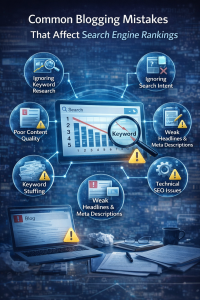
4. Ignoring Search Intent
One of the most critical SEO factors in 2026 is search intent. If your content does not match what users expect, it will struggle to rank—even if it is optimized with the right keywords.
For example, if users are searching for a “how-to guide” and your article provides only general information, search engines will prioritize more relevant results. Understanding whether the query requires a tutorial, list, comparison, or in-depth analysis is essential. Aligning your content format with search intent improves engagement and ranking potential.
5. Weak Headlines and Meta Descriptions
Headlines and meta descriptions influence both rankings and click-through rates. A weak or unclear title reduces the likelihood of users clicking on your content. Even if your page appears in search results, poor meta optimization can limit traffic.
An effective headline should be clear, engaging, and include the primary keyword naturally. Meta descriptions should summarize the article in a compelling way
 Streamline