
Political leaders around the world receive widely varying levels of compensation. A recent revision in Singapore has placed its Prime Minister’s annual package at S$3.6 million, equivalent to approximately Rs 27 crore, making it one of the highest among heads of government. The figure includes base salary, bonuses and variable components linked to national performance targets. This development has renewed attention on how different countries structure pay for their top elected officials and what principles guide those decisions.
Singapore’s approach stands in clear contrast to systems followed in many other democracies, including India, where the Prime Minister’s remuneration remains far more modest. Across nations, salaries are often supplemented by parliamentary allowances, official residences, security, transport and other benefits that form part of the overall package of support.
Singapore’s Revised Framework
Under the updated political salary framework effective from 15 October 2026, the Singapore Prime Minister’s annual package is set at twice the reference salary of a Ministerial Grade 4 (MR4) minister. An independent review recommended aligning the MR4 benchmark more closely with private-sector earnings of top Singaporean professionals, resulting in the higher figure of S$3.6 million for the Prime Minister.
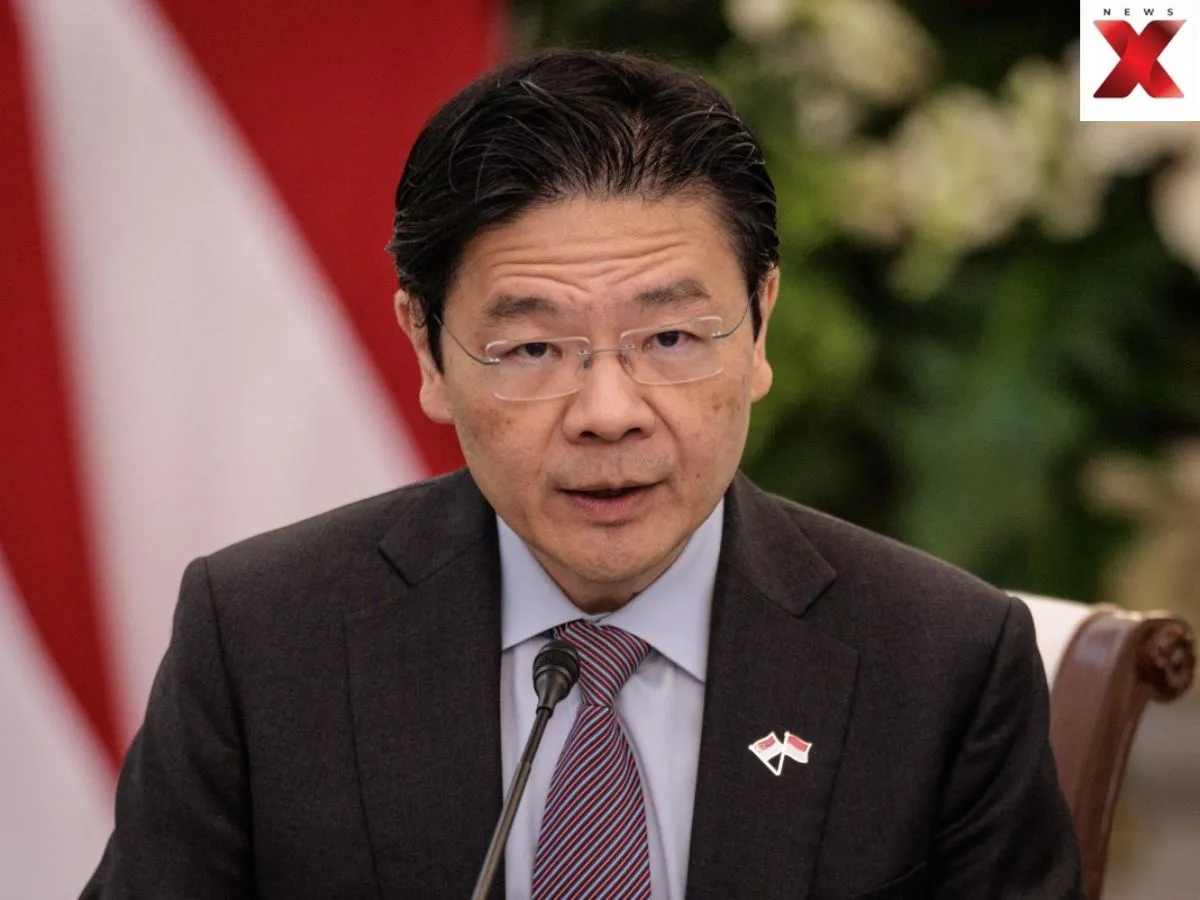
Prime Minister Lawrence Wong has stated that he will donate the full increase arising from the adjustment — roughly S$1.4 million per year — to suitable causes for the duration of his term. The government has long argued that competitive salaries help attract capable individuals from the private sector into public service and reduce the risk of corruption. Critics, however, note the wide gap between ministerial pay and median wages in the city-state.
Even before the latest revision, Singapore’s political salaries ranked among the highest globally. The new package widens that gap further relative to most other countries.
India’s More Modest Structure
In India, the Prime Minister’s salary and allowances are governed by the Salaries and Allowances of Ministers Act, 1952, and subsequent amendments. The basic salary is significantly lower than Singapore’s package. Official figures place the Prime Minister’s annual remuneration in the range of several lakhs of rupees, supplemented by allowances for sumptuary, travel and other official needs.
The role also comes with substantial non-cash support, including official residences, security arrangements, staff and transport. These facilities form an important part of the overall support provided to the office, even though the direct monetary salary remains modest by international standards for a leader of a large democracy.
Comparisons between the two systems highlight differing philosophies. India’s framework emphasises relatively restrained direct pay, while Singapore prioritises high cash compensation benchmarked against top private-sector earnings.
Comparisons with Other Major Economies
Salaries of heads of government or state vary considerably even among developed economies. The President of the United States receives a fixed annual salary of US$400,000, a figure that has remained unchanged for many years. The British Prime Minister’s remuneration is reported in the region of US$230,000. Australia’s Prime Minister receives a package that includes both parliamentary and executive components, typically placing it higher than the UK figure but still well below Singapore’s.
In Canada, the Prime Minister receives an additional salary on top of the standard parliamentary allowance, resulting in a combined figure that is higher than many European counterparts but still substantially lower than Singapore’s. Switzerland’s Federal Council members and the Hong Kong Chief Executive rank among the better-paid leaders outside Singapore, yet their packages remain a fraction of the revised Singaporean benchmark.
These differences reflect distinct historical, economic and political contexts. Some countries treat political office as a form of public service with pay set closer to senior civil service levels. Others deliberately set higher remuneration to compete with private-sector opportunities and to signal the importance of attracting high-calibre talent.
Factors That Shape Political Pay
Several considerations influence how governments set salaries for top leaders. One is the need to attract individuals who might otherwise remain in high-paying private careers. Another is the desire to maintain integrity by reducing financial incentives for corruption. Performance-linked components, such as those used in Singapore, attempt to align pay with measurable national outcomes including economic growth and employment.
Public perception also plays a significant role. In many democracies, high political salaries can become a sensitive political issue, especially during periods of economic pressure or rising inequality. Singapore’s government has acknowledged this sensitivity while maintaining that the long-term quality of leadership justifies competitive compensation.
Currency conversion and differences in cost of living further complicate direct comparisons. A salary that appears high in absolute terms may look different when adjusted for purchasing power or local living costs. Benefits such as housing, security and staff support also vary widely and are not always reflected in headline salary figures.
Broader Implications
The Singapore revision has drawn international attention precisely because it reinforces an already distinctive position. At approximately Rs 27 crore, the Prime Minister’s package dwarfs the direct salaries of leaders in much larger economies. India’s more restrained approach reflects a different set of priorities and political traditions.
Ultimately, the question of how much a head of government should earn does not have a single answer. Each country balances the goals of attracting talent, ensuring accountability, managing public expectations and reflecting its own economic realities. Singapore has chosen a high-pay model tied to private-sector benchmarks and performance. Other nations, including India, continue with more modest direct compensation accompanied by extensive official support.
As political salaries remain a subject of public interest, transparent frameworks and periodic independent reviews help maintain legitimacy. Whether high pay successfully delivers better governance or whether more modest packages better reflect the ethos of public service continues to be debated. What is clear is that the range of compensation across the world is remarkably wide, and Singapore’s latest adjustment has placed its Prime Minister at the top of that spectrum.
Read more – amazonsalesday.org