
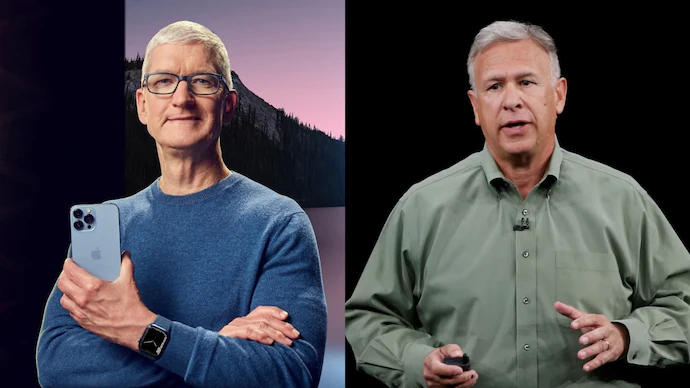
Apple is going through one of the biggest leadership changes in years. As Tim Cook leaves his position as CEO and John Ternus takes charge, another familiar face from Apple’s long history is also reducing his responsibilities. Phil Schiller, one of the company’s most recognisable veterans, is reportedly stepping away from two major areas that he has handled for several years.
The change may not look as dramatic as a CEO transition, but it is significant because Schiller has been closely connected with Apple’s products, marketing, developer relations and major product launches for decades. His decision comes at a time when several senior Apple executives have already moved into smaller roles or left their previous positions.
Phil Schiller Takes a Smaller Role
Phil Schiller is not reportedly leaving Apple completely. Instead, he is expected to continue with the company as an Apple Fellow while moving away from his remaining major operational responsibilities.
The two key areas affected are the App Store and Apple’s product events. These responsibilities have kept Schiller closely involved with some of the most visible parts of Apple’s business even after he stepped away from his senior marketing position.
His future work at Apple is expected to focus on initiatives that have not yet been clearly defined. That means Schiller could still remain connected to important projects, but he will no longer have the same day-to-day influence over the App Store and Apple’s global events operation.
For Apple watchers, the timing is particularly interesting. The company is already entering a new leadership phase, and Schiller’s reduced role adds another layer to that transition.
A Career Spanning Three Decades
Schiller is not a recent addition to Apple’s leadership team. His relationship with the company stretches back more than three decades, making him one of the executives who witnessed several different versions of Apple.
His first stint at Apple ran from 1987 to 1993. He later returned in 1997 and remained with the company through its transformation into one of the world’s most valuable technology businesses.
During those years, Schiller worked alongside Steve Jobs and later Tim Cook. He became particularly well known for appearing on stage during major Apple product announcements, explaining new products and defending the company’s decisions.
His work was connected with some of Apple’s most important product categories, including the iPhone, iPad, iPod and Mac lineup. He was also involved in the development and growth of the App Store alongside Steve Jobs.
That long history explains why his latest move is receiving attention even though he is not technically leaving the company.
Why the App Store Role Matters
Schiller’s App Store responsibilities were about much more than simply managing a digital marketplace.
Over the years, he became an important figure in Apple’s relationships with developers. He was involved in decisions surrounding controversial applications, developer disputes and changes to App Store policies.
The App Store has also become one of Apple’s most closely watched businesses because of increasing regulatory pressure and legal challenges in different markets.
One of the biggest disputes involved Epic Games, the company behind Fortnite. Apple’s App Store rules became a major point of conflict in the legal battle, placing Schiller close to one of the technology industry’s most important debates over digital marketplaces and platform control.
With Schiller stepping away, responsibility for the App Store is reportedly moving back toward Apple’s services leadership under Eddy Cue. Cue had previously overseen the App Store before its responsibilities shifted to Schiller and the marketing organisation.
This could create a more direct connection between the App Store and Apple’s broader services strategy.
Apple Events Get New Leadership
Schiller’s other major responsibility has been Apple’s events operation. For years, Apple’s product launches have been carefully planned global events that attract enormous attention from consumers, developers and the technology industry.
The events team manages much more than what viewers see on stage. Product presentations, launch planning, messaging and coordination all form part of the operation.
That responsibility is now reportedly moving to Nola Weinstein, who has worked as Schiller’s deputy since 2023.
The change arrives just before an important Apple product event scheduled for September 9. The event is expected to feature the iPhone 18 Pro lineup and Apple’s foldable iPhone, making it an especially notable moment for the company.
It is also expected to be the first major Apple product event conducted under new CEO John Ternus.
That gives the upcoming event an importance beyond new hardware. It will also offer an early look at how Apple presents itself under its new leadership.
Tim Cook’s Departure Changes Apple
Schiller’s move becomes more interesting when viewed alongside Tim Cook’s departure.
Cook has led Apple for many years, following Steve Jobs as CEO and overseeing a period in which the company expanded significantly across hardware, software and services.
Now John Ternus has taken over the top job. Ternus is a long-time Apple insider who has spent decades at the company and has been closely involved with its hardware development.
The fact that both Cook and Schiller are changing roles around the same period highlights how Apple is gradually moving from one generation of leadership to another.
However, this does not mean Apple is suddenly replacing its entire leadership structure. Many of the changes have involved experienced executives shifting responsibilities rather than completely leaving the company.
More Senior Leaders Have Moved
Apple has already experienced several notable leadership changes in recent years.
Jeff Williams, who served as the company’s operations chief, has moved away from his previous position. Former hardware leader Dan Riccio has also stepped back, while finance chief Luca Maestri and environmental and government affairs leader Lisa Jackson have moved into different or smaller roles.
These changes suggest that Apple is going through a broader management transition rather than dealing with a single executive departure.
For a company as large as Apple, leadership changes are carefully watched because senior executives often have enormous influence over product development, corporate strategy and company culture.
Schiller’s case is slightly different because his experience remains valuable to Apple. Keeping him as an Apple Fellow allows the company to retain access to his knowledge while reducing his operational workload.
What This Means for Apple
The immediate impact of Schiller stepping back may not be visible to ordinary Apple customers.
The App Store will continue operating, and Apple’s product events will still follow the company’s highly controlled format. But behind the scenes, responsibilities are being redistributed among a newer generation of executives.
That could eventually affect how Apple handles developer relations, App Store policies and major product announcements.
The bigger question is how much of Apple’s traditional leadership style will remain as executives who worked closely with Steve Jobs and helped shape the modern company gradually move away from operational roles.
Schiller represents a direct link to an earlier era of Apple. His career covers the company’s difficult years, its revival under Jobs and its enormous expansion under Cook.
A Quiet End to an Apple Era
Phil Schiller stepping back is not the kind of leadership change that produces an immediate product announcement or dramatic corporate statement. Still, it carries symbolic importance.
He has been part of Apple’s public identity for decades. Millions of people have seen him introduce products, explain features and represent the company’s thinking during major announcements.
Now, as Tim Cook leaves the CEO position and John Ternus begins his tenure, Schiller is also moving further away from the spotlight.
Apple will continue to rely on his experience, but his reduced responsibilities mark another clear sign that the company is entering a different chapter.
The next few years could reveal how effectively Apple’s new leadership generation can maintain the company’s product culture while creating its own identity. With major hardware launches, App Store challenges and growing competition across technology, this transition will be closely watched.
For consumers, developers and investors, the leadership changes are worth following because they could influence how Apple approaches products, services and its wider technology strategy in the years ahead.
Conclusion
Apple’s leadership transition is clearly bigger than Tim Cook’s departure alone. Phil Schiller’s decision to reduce his responsibilities adds another important piece to the company’s changing executive landscape. While he is expected to remain involved as an Apple Fellow, the App Store and product events are moving toward new leadership. As John Ternus begins his tenure as CEO, Apple now has an opportunity to combine the experience of its long-serving veterans with a new generation of executives. The coming product launches and strategic decisions will show how this new chapter ultimately shapes Apple’s future.
Read More :- thenumberinfo.com