
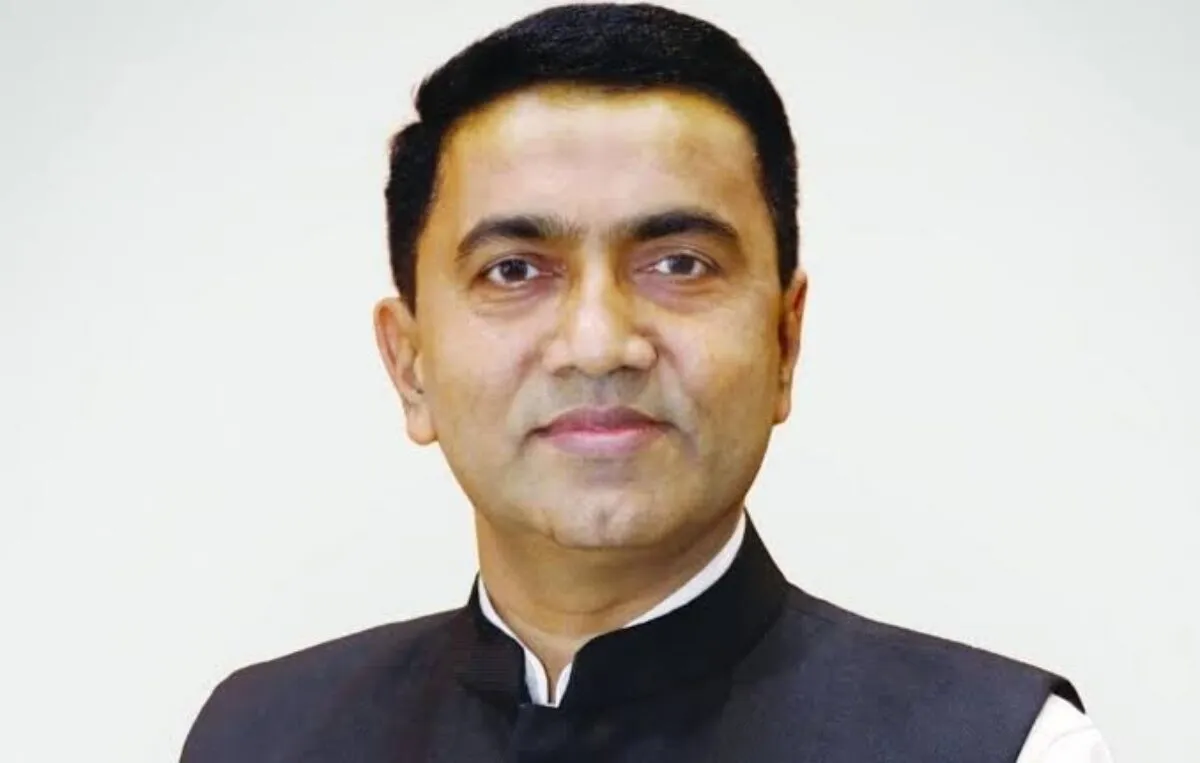
The Goa government has decided not to introduce the anti-religious conversion bill in the ongoing three-day monsoon session of the state legislative assembly. The decision followed strong reservations expressed by legislators, including members of the ruling Bharatiya Janata Party, during a meeting with Chief Minister Pramod Sawant on the opening day of the session. The proposed legislation, formally known as The Goa Prohibition of Unlawful Conversion of Religion Bill, 2026, had been cleared by the state cabinet only days earlier.
Cabinet Clearance and Sudden Reversal
Last week the cabinet approved the bill, which sought to prohibit religious conversions carried out through force, coercion, undue influence, allurement, fraudulent means or marriage. It proposed stringent penalties, including imprisonment that could extend to the end of life in certain cases, fines starting from Rs 50,000, and compensation of up to Rs 5 lakh for victims. Conversions involving minors, women, persons with disabilities or members of Scheduled Castes and Scheduled Tribes carried higher minimum sentences. The bill also sought to declare marriages void if found to have been solemnised solely for the purpose of conversion.
The legislation was expected to be tabled on the first day of the monsoon session. Instead, shortly before the House convened, the Chief Minister held discussions with concerned legislators. After the meeting, the bill was removed from the business list. BJP MLA Michael Lobo of Calangute stated that the government had acted in haste in securing cabinet approval and that a decision was taken not to bring the bill in the current session. He emphasised the need to study the provisions carefully and take all stakeholders into confidence.
Voices from Within the Ruling Camp
Independent MLA Aleixo Reginaldo Lourenco, who supports the BJP-led government, was among those who opposed the move. He described the bill as being in bad taste and questioned its necessity, stating that there is no available data or statistics showing significant religious conversions in Goa. Lourenco argued that the state has long maintained communal harmony and that introducing such a law risked disturbing that balance. He made clear that he would have opposed the bill on the floor of the House had it been introduced.
Michael Lobo echoed the call for wider consultation. He stressed that every person’s religious beliefs deserve respect and that decisions affecting social harmony require careful deliberation rather than hurried legislative action. Other legislators from minority communities within or allied to the ruling side are reported to have raised similar concerns during the meeting with the Chief Minister.
Broader Opposition and Context
Opposition parties, civil society groups and Christian organisations had already voiced strong objections after the cabinet clearance became public. Critics argued that existing criminal laws already address forced conversion, coercion and fraud, making a new specialised statute unnecessary. They also warned that the legislation could create an atmosphere of suspicion and strain the state’s tradition of inter-community coexistence. Christians and Muslims together constitute a substantial share of Goa’s population, and several legislators from these communities sit in the assembly.
Goa has not previously enacted a dedicated anti-conversion law, unlike several other states. The proposal had been under discussion for some time, with the Chief Minister having earlier indicated support for such a measure. The rapid move from cabinet approval to withdrawal in the face of internal resistance highlights the political sensitivities involved.
What the Decision Means
The government’s decision applies specifically to the current monsoon session. Officials and legislators have left open the possibility of further examination and discussion at a later stage. Michael Lobo noted that a proper debate on what is suitable for Goa is still required. For now, however, the bill will not be taken up in the three-day sitting.
The episode illustrates the constraints that even a ruling party can face when proposed legislation touches on religious identity and social harmony in a demographically diverse state. Internal pushback from within the BJP and its supporters proved decisive in stalling the bill’s introduction. The cabinet had cleared the measure, yet the absence of broader consensus among legislators led to its removal from the agenda within days.
Political observers note that anti-conversion laws have been enacted in multiple states and remain subjects of ongoing legal and public debate across the country. In Goa’s case, the combination of limited supporting data cited by critics, the state’s history of relative communal peace, and resistance from legislators representing minority communities created sufficient pressure for the government to pause.
Looking Ahead
The monsoon session continues with other legislative business. The anti-conversion bill, once expected to be a prominent item, is no longer on the list. Whether the government revisits the proposal after further consultation, modifies its provisions, or sets it aside for a longer period remains to be seen. What is clear is that the immediate attempt to legislate on the issue encountered resistance strong enough to force a change of course.
The developments underscore the importance of legislative consultation in matters that intersect with constitutional freedoms, social cohesion and community relations. In a state known for its plural character, the decision to halt the bill’s introduction reflects an acknowledgement, at least for the present, that wider agreement is necessary before such a measure can proceed.
Read more – themenuspark.com , scorematchup.com