
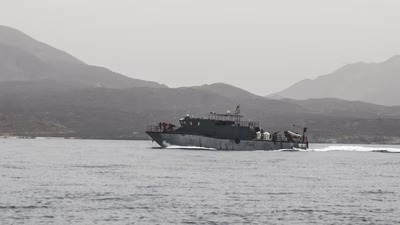
A Sudden Maritime Emergency
The sea can look peaceful for hours before everything changes within minutes. That reality became painfully clear after a merchant vessel carrying crew members encountered a serious emergency and eventually sank. Among those on board were thirteen Indian nationals who found themselves in an extremely dangerous situation without much warning. Thankfully, all thirteen Indians were rescued through a coordinated emergency operation before the accident turned into a much larger tragedy.
The rescue quickly became the biggest talking point because every life saved during such incidents represents careful planning, teamwork, and incredible determination. Maritime accidents often happen far away from public attention, yet they remind everyone how risky life at sea really remains despite modern technology.
Rescue Teams Responded Without Delay
Reports surrounding the incident suggest rescue teams moved rapidly after distress signals reached maritime authorities. Every minute mattered because a sinking vessel leaves very little time for safe evacuation. Weather conditions, sea currents, and visibility can make rescue work extremely difficult even for experienced professionals.
Emergency responders coordinated their efforts carefully while nearby vessels also assisted wherever possible. Such cooperation often becomes the deciding factor during maritime emergencies. Instead of waiting for perfect conditions, rescue teams acted immediately, helping bring survivors to safety before the situation became even more dangerous.
The successful rescue of all thirteen Indian crew members reflected years of training rather than simple luck. Rescue operations over open water demand precision, communication, and calm decision-making under enormous pressure.
What Caused The Vessel To Sink
The exact reason behind the merchant vessel sinking may require a detailed technical investigation before authorities can reach a final conclusion. Ship accidents rarely happen because of one single issue. Multiple factors often combine and create conditions that become impossible to manage.
Mechanical failure, structural damage, cargo imbalance, harsh weather, or water entering critical sections of the vessel could all become possible areas of investigation. Maritime experts generally examine maintenance records, navigation history, communication logs, weather information, and eyewitness accounts before confirming the cause.
Until official findings become available, speculation remains unhelpful. Investigators usually prefer collecting evidence carefully instead of rushing toward early conclusions that later prove inaccurate.
Life Aboard Merchant Ships Remains Challenging
People often hear about commercial shipping only when accidents happen. The reality looks very different for thousands of seafarers working across international waters every single day. Merchant ships transport food, fuel, machinery, electronics, medicines, and countless everyday products that keep economies functioning.
Crew members spend weeks or even months away from their families while dealing with changing weather, long shifts, mechanical responsibilities, and strict safety procedures. Even routine journeys carry certain risks because the ocean remains unpredictable despite technological improvements.
For many Indian sailors, merchant shipping offers valuable career opportunities and stable incomes. Their work supports international trade while remaining largely unnoticed by the general public.
Why Indian Seafarers Matter Globally
India has earned a strong reputation for producing skilled maritime professionals. Thousands of Indian officers, engineers, electricians, and crew members serve aboard commercial vessels operated by shipping companies across the world.
Their training follows international standards, making Indian professionals highly respected throughout the global shipping industry. Because of this strong presence, incidents involving Indian sailors naturally receive significant public attention back home.
The rescue of these thirteen Indians also highlighted how interconnected global shipping has become. A vessel may sail under one country’s flag, operate for another company, carry multinational cargo, and employ crew members from several different nations simultaneously.
Maritime Safety Has Improved, Yet Risks Continue
Modern ships include advanced navigation systems, satellite communication, emergency beacons, weather forecasting tools, and sophisticated monitoring equipment. These improvements have significantly reduced accident rates over recent decades.
Still, technology cannot eliminate every possible danger. Storms develop unexpectedly, machinery sometimes fails, human mistakes occasionally occur, and unexpected structural problems may emerge during long voyages.
Safety drills therefore remain essential aboard commercial vessels. Crew members regularly practice evacuation procedures, lifeboat deployment, firefighting exercises, and emergency communication protocols. Those repetitive drills may seem routine during calm days, but they become lifesaving skills when emergencies actually happen.
The recent rescue demonstrates exactly why continuous preparedness remains so important across the shipping industry.
International Cooperation Made A Difference
Large-scale maritime rescue missions rarely involve just one organization. Coast guards, naval units, nearby merchant vessels, international maritime agencies, and local authorities often share information while responding to emergencies.
Communication networks help locate distressed ships much faster than in previous decades. Rescue coordination centers continuously monitor emergency alerts and quickly assign nearby resources whenever assistance becomes necessary.
The successful evacuation of all thirteen Indian crew members reflected this international spirit of cooperation. Every organization involved contributed toward achieving the same objective, protecting human life above everything else.
Such collaboration strengthens confidence within the global maritime community and demonstrates how countries can work together during emergencies regardless of nationality.
Families Wait Through Uncertain Hours
While rescue operations unfold at sea, families back home experience a completely different emotional struggle. News often reaches relatives gradually, sometimes through employers, shipping agencies, or government officials.
Those hours between receiving information about an accident and learning that loved ones are safe can feel endless. Anxiety grows naturally because communication with vessels sometimes becomes difficult during emergencies.
The confirmation that all thirteen Indians had been rescued likely brought enormous relief to their families. Behind every headline stands a group of parents, spouses, children, and friends waiting desperately for reassuring news.
That human side of maritime incidents often deserves just as much attention as the technical details surrounding the accident itself.
Investigation Will Shape Future Safety Measures
Following any major maritime incident, investigators examine every available piece of evidence. Their objective extends beyond identifying responsibility. More importantly, investigators seek lessons that could prevent similar accidents from happening again.
Recommendations may involve equipment upgrades, maintenance improvements, revised inspection procedures, additional crew training, operational changes, or updated international safety regulations.
Shipping companies generally review such findings carefully because preventing future accidents protects both human lives and commercial operations. Every investigation adds valuable knowledge that strengthens maritime safety across the industry.
Even one incident can influence shipping standards for years if investigators identify meaningful improvements that benefit vessels worldwide.
Conclusion
The rescue of thirteen Indians after a merchant vessel sank stands as an encouraging reminder that skilled emergency response teams can save lives even during extremely dangerous situations. Although the accident raises important questions about what caused the vessel to sink, the successful rescue operation deserves equal recognition for preventing a far greater tragedy. Maritime professionals continue performing demanding work under conditions most people never experience, making strong safety standards and international cooperation absolutely essential. As investigators determine the exact cause of the sinking, the lessons learned should contribute toward safer shipping practices worldwide. Every improvement in maritime safety ultimately protects countless seafarers who keep global trade moving every single day.
Read More :-