
A Story That Slipped Away
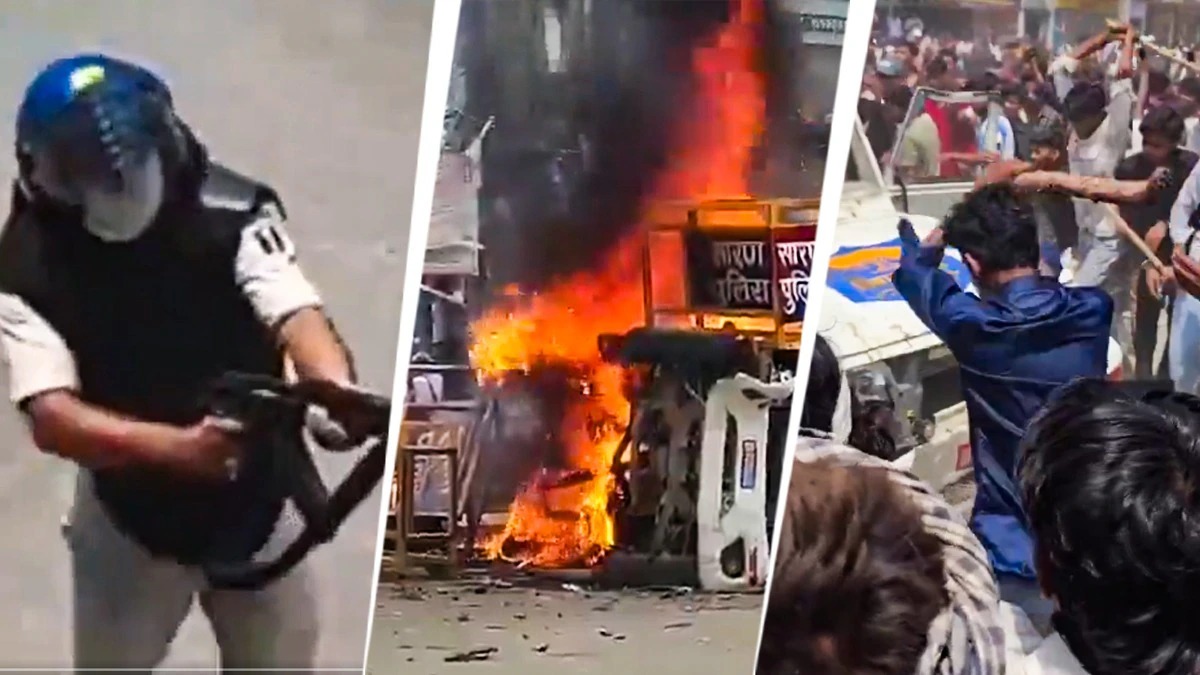
News moves strangely these days. One headline dominates every television screen while another, equally important, quietly disappears before most people even notice it. That is exactly what happened with the recent protests across Bihar. Reports spoke about widespread demonstrations, hundreds of detentions, damaged public property, and even incidents where armed individuals allegedly opened fire. More than 400 people were taken into custody during the security crackdown, yet the entire episode never received the same national attention that many expected.
The situation was far more complicated than a simple protest turning violent. Different districts experienced different levels of unrest, while authorities responded with heavy police deployment and preventive action. For many residents, those days were filled with uncertainty rather than political slogans.
What Sparked The Demonstrations
Large public protests rarely begin because of one single event. Usually, frustration builds over weeks or even months before one trigger pushes people onto the streets. In Bihar, demonstrations reportedly grew after political disagreements and public anger surrounding administrative decisions and governance issues.
Crowds gathered in several places, raising slogans and demanding action. Some demonstrations remained peaceful for long periods, while others reportedly turned aggressive after clashes between protesters and security personnel. Once emotions became stronger, controlling the movement became much more difficult for local authorities.
Officials argued that law and order had to remain the highest priority despite public dissatisfaction. Protest organizers, however, insisted they were exercising democratic rights before violence overshadowed their original message.
Streets Turned Into Security Zones
Residents from affected districts described an atmosphere that changed quickly during the protests. Roads were blocked for several hours in certain locations. Markets witnessed temporary disruptions, while commuters found themselves stranded because transportation services slowed dramatically.
Security forces increased their presence around government buildings, railway stations, and important intersections. Barricades appeared across major routes. Officers conducted vehicle checks while additional police units remained on standby throughout sensitive areas.
Schools and businesses in some neighborhoods also felt indirect effects because movement became difficult. Even those who were not participating in demonstrations experienced delays and uncertainty during everyday routines.
Reports Of Gunfire Raised Serious Questions
One of the most alarming developments involved reports that AK-47 rifles were allegedly fired during the unrest. Such claims naturally intensified public concern because weapons of that nature represent a far greater security threat than ordinary street violence.
Investigators began examining exactly who possessed the firearms and whether organized criminal elements exploited the situation. Authorities maintained that every report involving illegal weapons would receive detailed investigation before final conclusions could be announced.
Whenever firearms enter a public protest, the discussion immediately changes. Attention shifts away from political disagreement toward public safety, organized crime, and the ability of law enforcement agencies to maintain control under rapidly changing circumstances.
More Than Four Hundred People Detained
Police confirmed that over 400 individuals were taken into custody during operations connected with the protests. Officials described many of these detentions as preventive measures intended to stop further escalation before additional violence occurred.
Not every person detained necessarily faces identical legal consequences. Investigators typically review available evidence, witness statements, surveillance footage, and other material before deciding whether criminal charges should proceed.
Large-scale arrests often become controversial because supporters argue innocent people may sometimes get caught alongside those directly involved in unlawful acts. Authorities, meanwhile, defend broad preventive action as necessary during periods of serious public disorder.
Damage Went Beyond Broken Property
Whenever protests become violent, visible damage tells only part of the story. Burned vehicles and damaged buildings create dramatic photographs, but economic losses usually continue long after television cameras leave the scene.
Shopkeepers lose business because customers avoid unstable areas. Daily wage workers miss opportunities to earn income. Transportation delays affect deliveries and supply chains. Parents worry about children travelling safely across cities experiencing unrest.
These hidden costs rarely dominate headlines, yet they often create lasting hardship for ordinary families who had no direct involvement in political demonstrations.
Politics Naturally Entered The Debate
Political reactions emerged almost immediately after violence spread. Opposition parties questioned whether the administration handled the situation effectively from the beginning. Government representatives responded that decisive policing prevented even greater destruction.
Each side presented different interpretations regarding responsibility. Some leaders blamed political opponents for encouraging aggressive demonstrations. Others argued excessive police action increased public anger instead of calming tensions.
Citizens watching from outside Bihar found themselves hearing multiple narratives simultaneously. Determining exactly where accountability begins and ends remains difficult until official investigations become fully complete.
Social Media Added Another Layer
Information travelled faster than verified facts throughout the protests. Videos appeared online within minutes after individual incidents occurred. Some clips genuinely documented unfolding events. Others lacked proper context or represented unrelated footage from different places.
People shared dramatic claims before authorities completed verification. Rumors spread almost as rapidly as confirmed information, making it increasingly difficult for ordinary citizens to separate fact from speculation.
This pattern has become familiar during many public crises. Digital platforms provide instant updates, yet they also demand greater caution from audiences before accepting every circulating claim as accurate.
Why Many Outside Bihar Barely Noticed
Perhaps the biggest surprise surrounding these protests was how little national discussion followed despite their scale. Several major national developments competed for media attention during the same period, pushing Bihar further down news agendas.
Modern news cycles move incredibly fast. Stories remain prominent briefly before newer developments replace them. Even incidents involving widespread arrests can disappear quickly when multiple national issues unfold simultaneously.
That limited visibility does not necessarily reduce the significance of what happened. For residents directly affected, those difficult days remain deeply memorable regardless of broader media coverage.
The Importance Of Peaceful Democratic Expression
India has a long history of public demonstrations influencing important political conversations. Peaceful protest remains a legitimate democratic tool through which citizens express disagreement with policies or administrative decisions.
Violence changes everything. Once public property burns or firearms appear, meaningful dialogue becomes much harder. Governments focus primarily on restoring order, while genuine concerns raised by protesters often receive less attention than the violence itself.
Both authorities and protest organizers carry important responsibilities during tense situations. Communication, restraint, and timely intervention often determine whether demonstrations remain peaceful or spiral into dangerous confrontation.
What Investigations Could Reveal Next
Several important questions remain unanswered following the Bihar unrest. Investigators will likely continue examining how violence escalated, who allegedly possessed illegal weapons, whether organized groups influenced events, and whether security responses followed established legal procedures.
Court proceedings, forensic examinations, and official inquiries usually require considerable time before reaching reliable conclusions. Initial reports frequently evolve as additional evidence becomes available.
Citizens should therefore avoid rushing toward permanent conclusions based solely upon early headlines. Responsible analysis depends upon verified information rather than emotional reactions.
Conclusion
The Bihar protests demonstrated how quickly public dissatisfaction can transform into a serious law and order challenge when tensions escalate beyond peaceful expression. Reports involving gunfire, extensive police operations, and more than 400 detentions made the episode one of the state’s most significant recent security concerns. At the same time, ongoing investigations remain essential before assigning complete responsibility to any individual or group. Understanding these events requires patience, verified facts, and balanced discussion rather than assumptions. Stay informed through credible reporting, follow official updates as investigations continue, and always support peaceful democratic engagement that protects both public safety and constitutional rights.
 Streamline