
The liver is one of the most important organs in the human body, responsible for performing hundreds of essential functions that keep us healthy. It filters toxins from the bloodstream, processes nutrients from food, produces bile to aid digestion, stores vitamins and minerals, regulates blood sugar levels, and supports the body’s immune system. Because of its remarkable ability to regenerate, the liver can recover from mild damage. However, long-term exposure to unhealthy lifestyle habits such as poor nutrition, excessive alcohol consumption, physical inactivity, obesity, and chronic stress can gradually impair its function.
Many liver conditions develop silently without noticeable symptoms during the early stages. As a result, adopting healthy lifestyle habits before problems arise is one of the most effective ways to protect this vital organ. Scientific research has shown that a balanced diet, regular exercise, adequate hydration, quality sleep, stress management, and avoiding harmful substances all contribute to maintaining optimal liver health. Rather than relying on temporary detox products or fad diets, long-term lifestyle changes provide lasting benefits for liver function and overall wellbeing.
Understanding the Liver and Why It Matters
The liver acts as the body’s natural filtration and processing center. Every nutrient absorbed from the digestive system passes through the liver before being distributed throughout the body. It converts food into energy, regulates cholesterol levels, stores essential nutrients, breaks down medications, produces proteins necessary for blood clotting, and removes harmful waste products from the bloodstream.
Its ability to regenerate makes the liver unique among human organs, but this regenerative capacity has limits. Continuous damage caused by poor dietary choices, excessive alcohol intake, viral infections, or metabolic disorders can lead to inflammation, fat accumulation, scarring, and eventually permanent liver damage. Maintaining liver health is therefore essential not only for digestion but also for overall metabolic health and immune function.
Signs Your Liver May Need Extra Care
Many liver diseases progress gradually and may not cause symptoms until significant damage has occurred. However, there are several warning signs that should never be ignored. Persistent fatigue, loss of appetite, digestive discomfort, unexplained weight changes, abdominal swelling, nausea, dark-colored urine, pale stools, itching, and yellowing of the skin or eyes may indicate liver dysfunction.
These symptoms do not always point to liver disease, but they should prompt medical evaluation, particularly if they continue for an extended period. Early diagnosis often allows treatment before permanent damage develops.
Nutrition for Optimal Liver Function
Nutrition plays a central role in protecting the liver from disease. A balanced diet provides the nutrients required for normal liver metabolism while reducing inflammation and oxidative stress. Diets rich in fruits, vegetables, whole grains, legumes, healthy fats, and lean protein have consistently been associated with better liver health.
Highly processed foods, refined sugars, sugary beverages, and excessive saturated fats contribute to fat accumulation within liver cells, increasing the risk of fatty liver disease. Choosing nutrient-dense foods instead of highly processed meals helps improve insulin sensitivity, maintain healthy cholesterol levels, and reduce metabolic stress on the liver. Developing consistent eating habits is far more beneficial than following restrictive diets or short-term cleansing programs.
Foods That Naturally Support Liver Health
Several foods contain nutrients and plant compounds that naturally support liver function. Leafy green vegetables provide antioxidants that help protect liver cells from oxidative damage. Cruciferous vegetables such as broccoli and cauliflower support the body’s natural detoxification enzymes. Fruits like berries and citrus fruits are rich in vitamin C and other antioxidants that reduce inflammation.
Whole grains provide fiber, which supports digestive health and helps regulate blood sugar. Beans, lentils, and nuts supply plant protein, healthy fats, and essential minerals that contribute to metabolic health. Fatty fish rich in omega-3 fatty acids may help reduce liver fat and inflammation. Garlic contains sulfur compounds that support detoxification processes, while olive oil provides heart-healthy fats that benefit overall metabolic function.
Rather than relying on a single superfood, eating a wide variety of nutritious foods creates a balanced dietary pattern that supports liver health over time.
Importance of Hydration
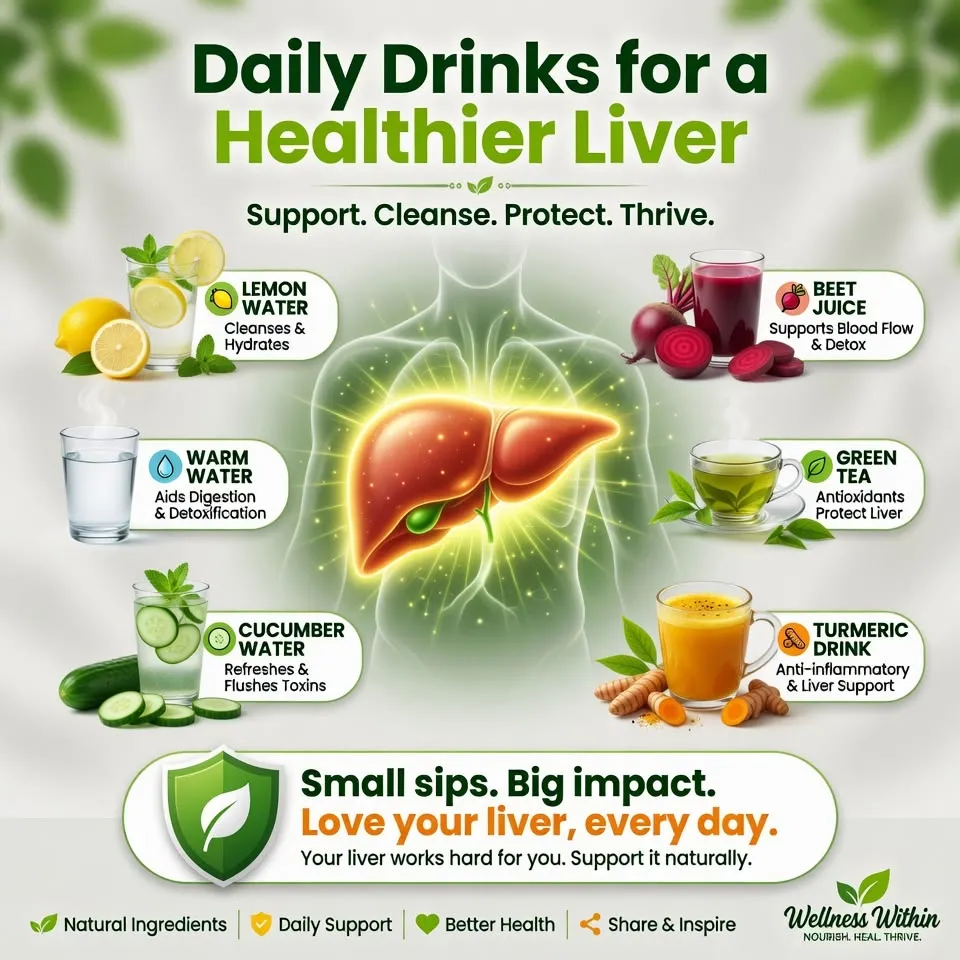
Water is essential for nearly every function performed by the liver. Proper hydration supports circulation, digestion, nutrient transport, and the removal of waste products from the body. While drinking water does not directly cleanse or detoxify the liver, adequate hydration helps the body’s natural detoxification systems function efficiently.
People who maintain proper hydration often experience better digestion and improved metabolic function. Replacing sugary drinks with water also reduces unnecessary sugar intake, which may help lower the risk of fatty liver disease.
Maintaining a Healthy Weight
Maintaining a healthy body weight is one of the most effective ways to protect liver health. Excess body fat, particularly around the abdomen, increases insulin resistance and encourages fat accumulation within the liver. Over time, this can progress to inflammation and liver damage if left unmanaged.
Even moderate weight loss has been shown to improve liver enzyme levels and reduce fat stored within liver cells. Sustainable weight management should focus on balanced nutrition, regular physical activity, and gradual lifestyle changes instead of rapid weight-loss methods that are difficult to maintain.
Exercise and Liver Health
Regular physical activity supports the liver by improving metabolism, increasing insulin sensitivity, and helping regulate body weight. Exercise also reduces inflammation throughout the body and lowers the amount of fat stored in the liver.
Both aerobic activities such as walking, cycling, swimming, and jogging, along with strength training exercises, contribute to healthier liver function. Consistent physical activity not only benefits the liver but also reduces the risk of diabetes, cardiovascular disease, and obesity, which are closely linked to liver disorders.
Sleep, Stress, and Liver Function
Sleep and stress have a profound influence on liver health. During sleep, the body repairs damaged tissues, regulates hormones, and restores metabolic balance. Chronic sleep deprivation may contribute to insulin resistance, obesity, and increased inflammation, placing additional stress on the liver.
Similarly, long-term psychological stress can elevate cortisol levels and encourage unhealthy eating habits, weight gain, and poor lifestyle choices. Managing stress through relaxation techniques, meditation, deep breathing, yoga, spending time outdoors, and maintaining healthy social relationships supports both mental wellbeing and liver function.
Limiting Alcohol and Avoiding Harmful Toxins
Alcohol remains one of the leading causes of liver damage worldwide. Excessive alcohol consumption can lead to fatty liver disease, alcoholic hepatitis, fibrosis, and eventually cirrhosis. Reducing alcohol intake significantly lowers the risk of chronic liver disease.
The liver is also responsible for processing many environmental chemicals and toxins. Limiting unnecessary exposure to harmful chemicals, avoiding smoking, and following workplace safety precautions when handling toxic substances all contribute to protecting liver health.
Safe Use of Medications and Supplements
Many medications and herbal supplements are processed by the liver. Although these products are generally safe when used correctly, excessive doses or combining multiple medications without medical guidance can increase the risk of liver injury.
People should always follow recommended dosages, avoid unnecessary medications, and inform healthcare professionals about any supplements they are taking. It is important to remember that natural supplements are not automatically safe, as some herbal products have been associated with serious liver damage.
Gut Health and the Liver Connection
The digestive system and the liver are closely connected through what scientists describe as the gut-liver axis. A healthy balance of beneficial gut bacteria helps regulate inflammation, supports digestion, and influences liver metabolism.
Eating fiber-rich foods, fermented foods, fruits, vegetables, legumes, and whole grains helps maintain a diverse gut microbiome. Supporting gut health may reduce inflammation and improve metabolic processes that benefit liver function over the long term.
Common Myths About Liver Detoxes
Many products marketed as liver detoxes promise rapid cleansing and improved liver function. However, there is little scientific evidence to support these claims. The liver already possesses highly efficient natural detoxification systems that continuously remove waste products from the body.
Detox teas, juice cleanses, and expensive supplements cannot replace healthy lifestyle habits. In some cases, certain detox products may even contain ingredients that place additional stress on the liver. The most effective way to support liver health is through balanced nutrition, regular exercise, adequate hydration, and avoiding harmful substances.
Who Is at Higher Risk of Liver Disease?
Certain individuals have a greater likelihood of developing liver disease due to underlying health conditions or lifestyle factors. People living with obesity, type 2 diabetes, high cholesterol, metabolic syndrome, viral hepatitis, excessive alcohol consumption, or a family history of liver disease should pay particular attention to liver health.
Regular health check-ups, routine blood tests, and early lifestyle modifications can help identify problems before serious complications develop.
Daily Habits for Long-Term Liver Health
Long-term liver health depends on consistent daily habits rather than occasional lifestyle changes. Eating nutritious meals, staying physically active, maintaining a healthy weight, drinking enough water, sleeping well, managing stress, avoiding tobacco and excessive alcohol, and using medications responsibly all work together to support healthy liver function.
Small improvements practiced consistently over months and years often produce far greater benefits than short-term detox programs or restrictive diets.
When to Consult a Healthcare Professional
Although healthy lifestyle habits are beneficial for everyone, professional medical advice is important if symptoms such as persistent fatigue, abdominal pain, jaundice, unexplained weight loss, or abnormal liver function tests occur. Individuals with diabetes, obesity, viral hepatitis, or a strong family history of liver disease should undergo regular medical evaluations to monitor liver health and receive personalized guidance when necessary.
Conclusion
The liver is an extraordinary organ that supports digestion, metabolism, immunity, and countless other essential functions. Protecting its health requires consistent lifestyle choices rather than quick fixes or detox trends. A balanced diet rich in whole foods, regular physical activity, proper hydration, quality sleep, stress management, maintaining a healthy weight, limiting alcohol, and using medications responsibly all contribute to long-term liver wellness.
By making these healthy habits part of everyday life, individuals can significantly reduce their risk of chronic liver disease while improving overall physical health, energy levels, and quality of life. Supporting liver health naturally is not about temporary solutions—it is about creating sustainable habits that allow this vital organ to function efficiently for years to come.
 Martin