
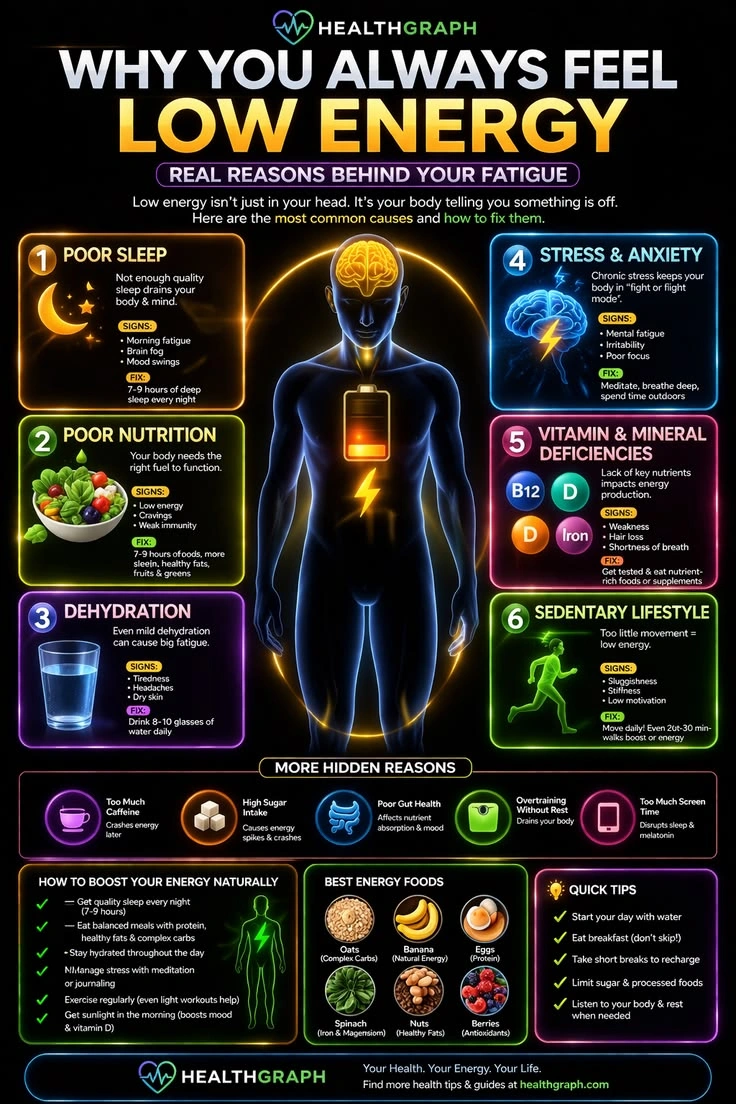
Persistent fatigue and low energy levels affect millions worldwide, turning everyday tasks into exhausting challenges. Unlike normal tiredness after a busy day, constant fatigue lingers despite rest and can significantly impact quality of life, productivity, and mental well-being. Understanding the root causes—ranging from lifestyle habits to underlying medical conditions—is the first step toward reclaiming vitality. Many cases stem from modifiable factors, while others signal the need for professional medical evaluation.
Fatigue is a symptom rather than a disease itself. It often results from multiple overlapping factors. Identifying personal triggers through self-reflection, lifestyle adjustments, and medical check-ups can lead to substantial improvements in energy levels.
Lifestyle Factors: The Most Common Culprits
Lifestyle choices frequently top the list of reasons for ongoing tiredness. Poor sleep habits rank among the leading contributors. Not getting enough quality sleep—typically fewer than 7-9 hours for adults—or irregular sleep schedules disrupts the body’s natural restoration processes, leading to daytime exhaustion. Conditions like insomnia or inconsistent bedtimes compound this issue.
Diet plays a critical role. Consuming too many processed foods, refined sugars, and carbohydrates causes blood sugar fluctuations that result in energy crashes. Poor nutrition, including skipping meals or inadequate calorie intake, deprives the body of sustained fuel. Dehydration is another silent offender; even mild fluid deficiency impairs cognitive function and physical performance.
Physical activity levels matter significantly. A sedentary lifestyle leads to deconditioning, where the body becomes less efficient at producing and using energy. Paradoxically, excessive physical activity without proper recovery can also drain reserves. Stress and burnout from demanding work, personal responsibilities, or constant digital connectivity further deplete energy through elevated cortisol levels.
Substance use contributes heavily. Excessive alcohol acts as a depressant that fragments sleep patterns, while too much caffeine can create dependency and withdrawal fatigue. Certain medications, such as antihistamines or those for allergies and blood pressure, list tiredness as a common side effect.
Medical and Health Conditions
When lifestyle adjustments fail to resolve fatigue, underlying health issues may be responsible. Anemia, particularly iron-deficiency anemia, reduces oxygen delivery to tissues, causing profound weakness and tiredness. This is especially common in women due to menstrual blood loss.
Thyroid disorders, such as hypothyroidism (underactive thyroid), slow metabolism and energy production. Symptoms often include fatigue alongside weight gain and cold sensitivity. Diabetes, both type 1 and type 2, leads to energy fluctuations due to unstable blood sugar. Heart, lung, kidney, or liver conditions similarly impair the body’s ability to function optimally.
Sleep disorders like obstructive sleep apnea cause repeated breathing interruptions during the night, preventing restorative deep sleep. Individuals may wake feeling unrefreshed despite seeming to sleep adequately. Chronic infections, autoimmune disorders, and fibromyalgia also manifest with persistent exhaustion.
Mental health plays a substantial role. Depression, anxiety, and chronic stress are strongly linked to low energy. These conditions affect neurotransmitters and motivation pathways, creating a cycle where fatigue worsens mood and vice versa. Myalgic encephalomyelitis/chronic fatigue syndrome (ME/CFS) represents a complex disorder characterized by debilitating fatigue not alleviated by rest.
Nutrient deficiencies beyond iron—such as vitamin D, vitamin B12, or magnesium—commonly contribute to tiredness, particularly in individuals with limited sun exposure, dietary restrictions, or absorption issues.
Other Contributing Factors
Hormonal changes, including those during pregnancy, menopause, or adrenal imbalances, can trigger fatigue. Post-viral effects or long-term recovery from illnesses like COVID-19 often leave people with lingering low energy. Environmental factors, such as jet lag or shift work disrupting circadian rhythms, add to the burden.
Overweight or obesity increases strain on the cardiovascular system and can promote inflammation, while being significantly underweight may indicate nutritional shortfalls affecting energy metabolism. Digestive problems, including IBS or poor gut health, hinder nutrient absorption and indirectly sap vitality.
When to Seek Professional Help
Persistent fatigue lasting more than a few weeks, especially when accompanied by unexplained weight loss, pain, shortness of breath, or mood changes, warrants medical attention. Doctors typically begin with a thorough history, physical exam, and basic blood tests to check for anemia, thyroid function, vitamin levels, and inflammation markers.
Strategies to Combat Fatigue
Addressing root causes yields the best results. Prioritize sleep hygiene by maintaining consistent schedules, creating a dark and cool bedroom environment, and limiting screens before bed. Adopt a balanced diet rich in whole foods, lean proteins, complex carbohydrates, and healthy fats while staying hydrated. Incorporate regular moderate exercise, such as walking or yoga, to build stamina without overexertion.
Stress management techniques like mindfulness, meditation, or counseling prove effective. For suspected medical issues, follow through with recommended treatments, whether medication, therapy, or lifestyle interventions. Supplements should only be taken under professional guidance to avoid interactions.
Constant fatigue rarely has a single cause. A combination of poor sleep, suboptimal diet, stress, and possible medical factors often intersects. By systematically evaluating habits and seeking appropriate care, most people can identify actionable solutions. Reclaiming energy enhances not just physical performance but overall life satisfaction. Listen to your body’s signals, make incremental changes, and consult healthcare providers when needed. With awareness and targeted efforts, sustained vitality becomes an achievable reality rather than a distant hope.
Read more – socialmedixy.com
 Martin