
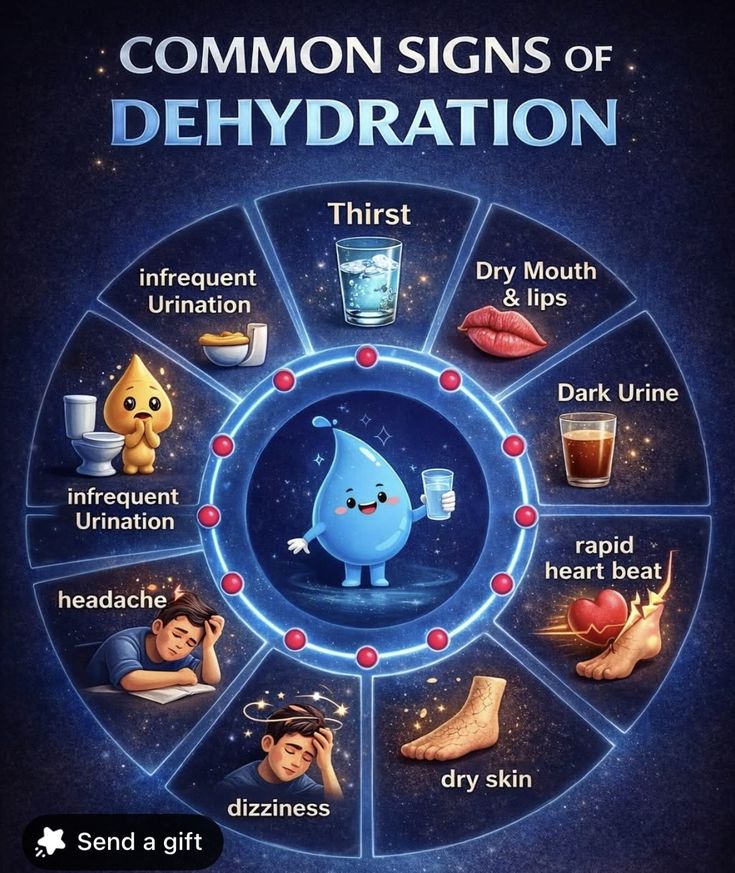
Dehydration occurs when the body loses more fluids than it takes in, disrupting normal bodily functions. It is a common yet often overlooked condition that can affect anyone, especially during hot weather, intense physical activity, or illness. Even mild dehydration can reduce energy, impair focus, and affect overall wellbeing. Recognising early warning signs and adopting preventive habits is essential for maintaining good health. This article explores the most common symptoms in adults and practical ways to prevent dehydration effectively.
1. Thirst and Dry Mouth
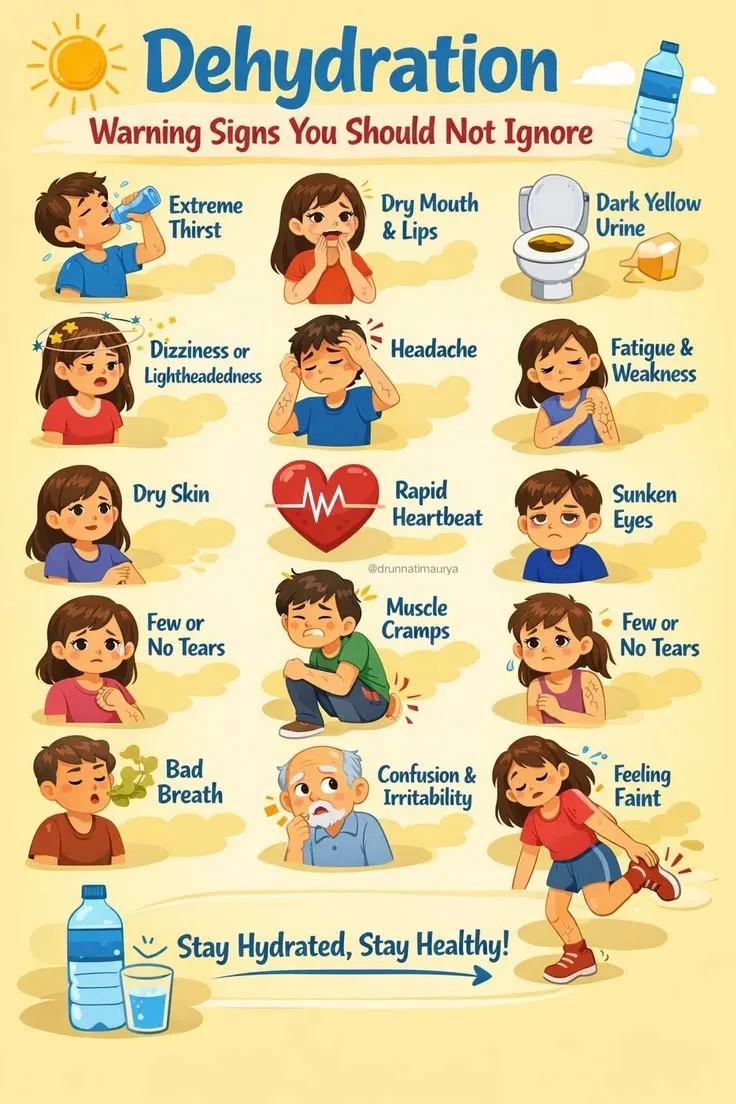
Thirst is the body’s natural signal that it needs more fluids. However, many adults, particularly older individuals, do not feel thirsty until dehydration has already set in. A persistently dry mouth and reduced saliva production are early indicators that fluid levels are low. This can make swallowing uncomfortable and affect speech. Ignoring these signs can quickly lead to more severe symptoms. Staying ahead of thirst by drinking water regularly is one of the simplest preventive measures.
2. Dark-Coloured Urine and Reduced Urination
Urine colour is one of the most reliable and visible signs of hydration status. When well-hydrated, urine appears pale yellow or almost clear. Dark yellow or amber-coloured urine indicates concentrated waste due to insufficient water. Reduced frequency of urination (less than 3–4 times a day) is another red flag. Monitoring urine colour multiple times throughout the day can help you adjust your water intake immediately. This simple self-check is highly effective for early detection.
3. Fatigue and Low Energy Levels
Dehydration reduces blood volume, forcing the heart to work harder to circulate oxygen and nutrients. This often results in unexplained tiredness, sluggishness, and decreased motivation. Many people mistake this fatigue for lack of sleep or stress. Even mild fluid loss of 1-2% of body weight can significantly impact energy levels. Regular hydration helps maintain steady energy throughout the day and improves physical performance.
4. Headache and Dizziness
When fluid levels drop, the brain temporarily shrinks slightly, pulling away from the skull and causing headaches. Dizziness or lightheadedness, especially when standing up quickly, occurs due to lower blood pressure. These symptoms can interfere with daily activities and concentration. In some cases, headaches caused by dehydration can mimic migraines. Increasing water intake often provides relief within 30–60 minutes for mild cases.
5. Dry Skin and Reduced Elasticity
Dehydrated skin loses its natural moisture and appears dull, flaky, or tight. A practical test is the skin turgor test — gently pinch the skin on the back of your hand. If it returns slowly, dehydration may be present. Sunken eyes and cheeks can also appear in moderate cases. Proper hydration keeps skin supple, elastic, and glowing. External moisturisers work better when the body is well-hydrated from within.
6. Confusion, Irritability, and Poor Concentration
The brain is highly sensitive to changes in fluid balance. Mild dehydration can impair cognitive functions, leading to difficulty focusing, mood swings, and irritability. Many adults experience this as “brain fog” during busy workdays. Studies show that even 1% dehydration can affect short-term memory and decision-making. Maintaining steady hydration improves mental clarity and emotional stability throughout the day.
How to Prevent Dehydration Effectively
Prevention is always better than cure when it comes to dehydration. The most important step is drinking adequate fluids daily — aim for 3 to 4 litres depending on your activity level and climate. Carry a reusable water bottle and develop the habit of sipping throughout the day rather than drinking large amounts at once. Include water-rich fruits and vegetables such as cucumbers, watermelon, oranges, and leafy greens in your diet. These provide hydration along with essential vitamins and minerals.
Monitor your body’s signals carefully. Check urine colour regularly and increase water intake during exercise, hot weather, or when feeling unwell. Limit consumption of dehydrating beverages like alcohol, caffeinated drinks, and sugary sodas. Create routines such as drinking a glass of water first thing in the morning, with every meal, and before going to bed. For people with higher risk factors — such as older adults, athletes, or those with chronic conditions — setting phone reminders can be very helpful.
By understanding these common signs and maintaining consistent hydration habits, you can protect your health and enjoy higher energy, better focus, and improved wellbeing every day. Small, mindful changes in daily routines can prevent dehydration and its uncomfortable effects.
Read more – mediyahub.com
 Martin