
India is home to the world’s largest population of Asian elephants, and dedicated conservation efforts help protect these gentle giants across diverse habitats—from the lush floodplains of Assam to the dense forests of the Western Ghats. These iconic animals, Elephas maximus, are a highlight of wildlife tourism, drawing nature lovers, photographers, and conservation enthusiasts from around the globe.
Below are 10 remarkable reserves and national parks in India where you can experience wild elephants in their natural environment.
Table of Contents
Toggle1. Kaziranga National Park, Assam
Famous globally for its one-horned rhinoceros, Kaziranga National Park also supports a significant population of Asian elephants. The park’s expansive grasslands, riverine forests, and wetlands make it an ideal environment for elephant herds, often seen grazing or moving at dawn and dusk.
2. Jim Corbett National Park, Uttarakhand
India’s oldest national park, Jim Corbett, is not just a sanctuary for tigers but also a thriving habitat for elephants. You’ll find them along the Ramganga River and thick forest trails, especially during dry months when they move in search of water and forage.
3. Rajaji National Park, Uttarakhand
Bordering Corbett and near the towns of Rishikesh and Haridwar, Rajaji National Park has one of the densest elephant populations in northern India. Its mix of river valleys and forest corridors makes it perfect for peaceful sightings of herds traversing the landscape.
4. Periyar Tiger Reserve, Kerala
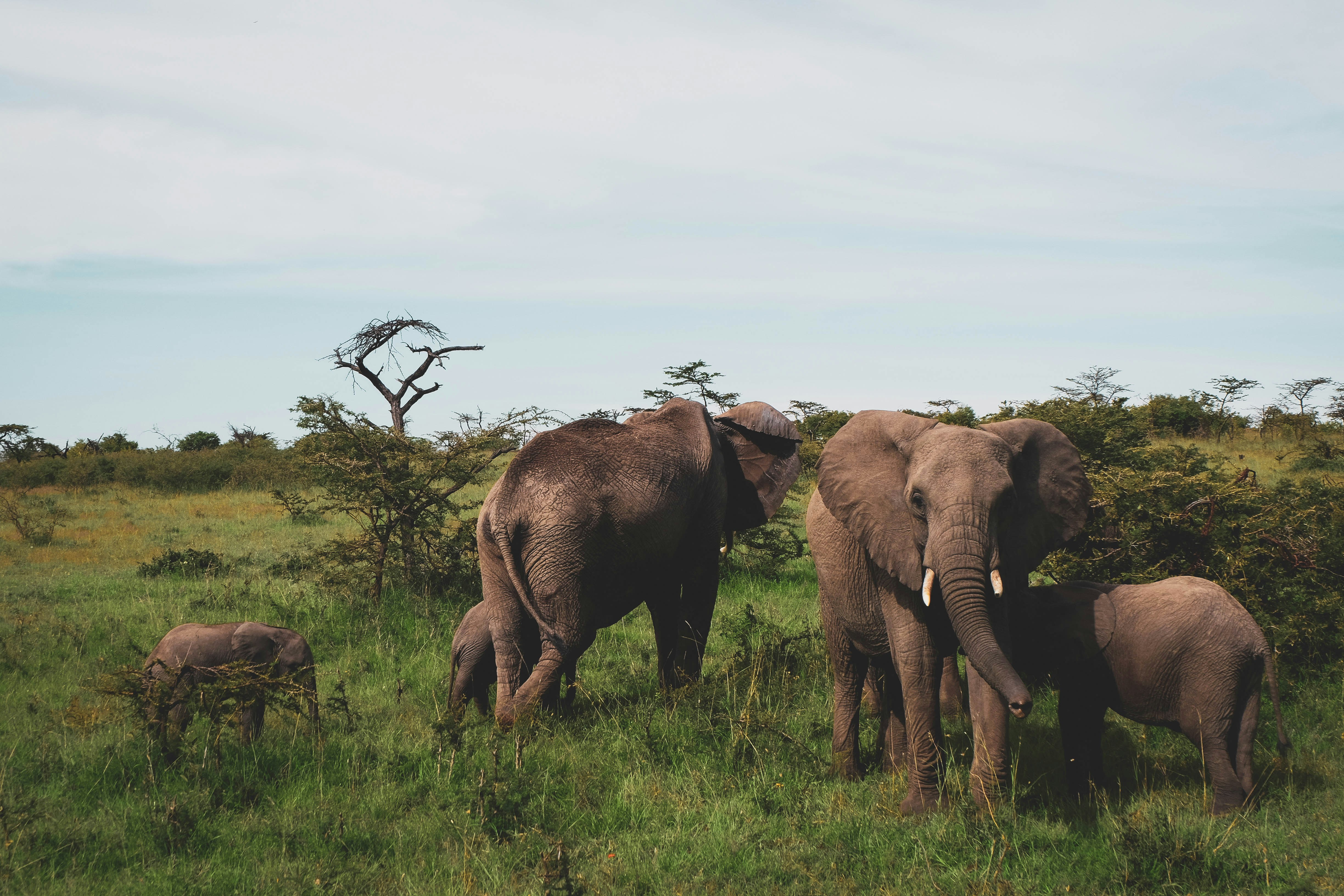
Nestled in the scenic Western Ghats, the Periyar Tiger Reserve brings elephants close to the water’s edge along Periyar Lake. Boat safaris here offer a serene and intimate way to observe elephants bathing, drinking, or foraging in lush surroundings.
5. Bandipur National Park, Karnataka
Part of the Nilgiri Biosphere Reserve, Bandipur National Park is a major stronghold for elephants in southern India. The open meadows and dense woodlands here are hotspots for large herds, especially during jeep safaris in the early morning or late afternoon.
6. Mudumalai National Park, Tamil Nadu
Adjacent to Bandipur and Wayanad, Mudumalai forms a key elephant corridor in the Nilgiri hills. This sanctuary boasts frequent sightings of herds moving along forest paths, grazing near waterholes, or crossing between southern states.
7. Nagarhole National Park (Rajiv Gandhi NP), Karnataka
Known for its scenic Kabini backwaters, Nagarhole offers some of the most photogenic elephant viewing opportunities in India. Elephants are often seen along riverbanks, especially during the dry season when vegetation thins and water becomes central.
8. Manas National Park, Assam
A UNESCO World Heritage Site, Manas National Park is a biodiverse treasure where elephants roam across vast grasslands and riverine forests. Their frequent sightings in open plains make this an exceptional destination for wildlife safaris.
9. Wayanad Wildlife Sanctuary, Kerala
Bordering Karnataka and Tamil Nadu, Wayanad Wildlife Sanctuary features rolling hills, bamboo forests, and abundant water sources that support robust elephant populations. Sightings here often occur along forest edges and watchpoints overlooking waterholes.
10. Anamalai Tiger Reserve, Tamil Nadu
Covering a large area of biodiverse terrain, Anamalai Tiger Reserve is another gem of the Western Ghats where elephants thrive among tropical evergreen forests and grasslands. The reserve’s varied ecosystem supports rich wildlife viewing opportunities.
Tips for Elephant-Watching Safaris
Observing wild elephants responsibly requires being both patient and respectful of their space. Here are a few tips to enhance your experience:
-
Choose expert-guided safaris with trained naturalists.
-
Visit during dry seasons for better visibility and movement patterns.
-
Respect forest rules and maintain safe distances at all times.
-
Use long lenses for photography to avoid disturbing wildlife.
Why India Is a Global Destination for Elephant Conservation
India protects more than 60 percent of the world’s Asian elephant population, reflecting the country’s long-standing conservation initiatives and protected-area network. These reserves not only offer incredible opportunities to view elephants in the wild, but they also play a vital role in research, anti-poaching efforts, and habitat connectivity—an essential factor given ongoing challenges such as habitat fragmentation and human-elephant conflict.
Whether you’re a seasoned wildlife enthusiast or a curious traveller, exploring India’s elephant habitats offers a profound and memorable encounter with one of nature’s most majestic species.